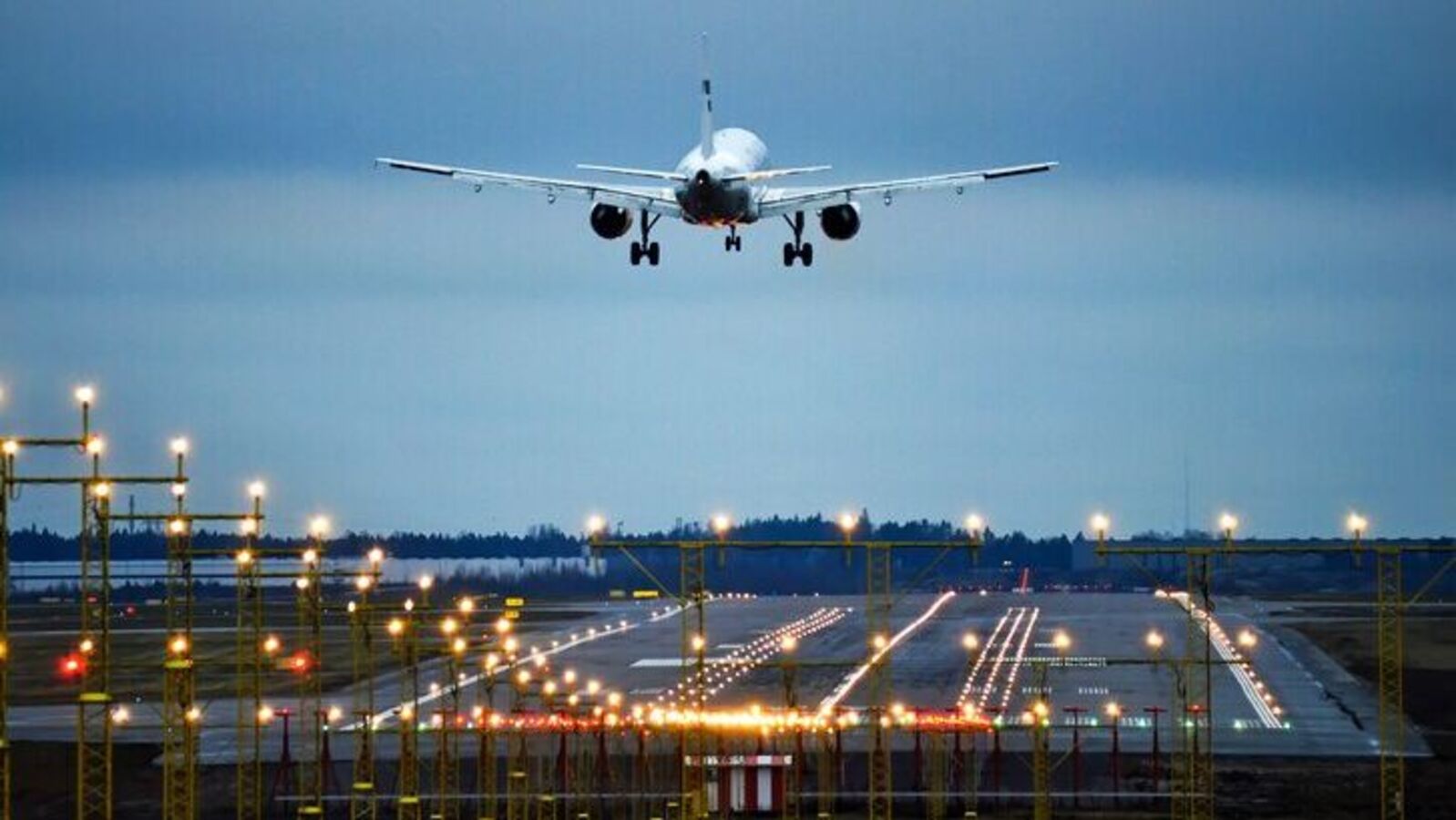
India’s commercial aviation expansion slowed sharply in 2025 as airlines inducted significantly fewer aircraft, exposing structural vulnerabilities in global manufacturing and operational readiness despite record passenger demand. Official data shows that carriers added just 95 aircraft during the year, marking a steep decline from the previous year’s intake and signalling a pause in one of the country’s fastest-growing transport sectors.
The slowdown is notable because it comes against the backdrop of an unprecedented aircraft order pipeline. Indian airlines collectively hold confirmed orders running into four figures, reflecting long-term confidence in domestic and international travel growth. However, industry analysts say delivery schedules have increasingly diverged from order commitments due to persistent supply chain constraints and technical issues affecting new-generation aircraft engines.
Fleet additions in 2025 were dominated entirely by narrow-body aircraft typically deployed on short- and medium-haul routes. No wide-body aircraft were inducted during the year, limiting airlines’ ability to expand long-haul capacity and diversify international networks. This contrasts with earlier growth cycles when wide-body inductions played a critical role in opening new overseas routes and strengthening hub airports.
Aviation experts point to production bottlenecks at global aircraft manufacturers as a primary factor. Delays in component supplies, quality control checks and engine inspections have slowed output across key assembly lines. These challenges have had a cascading effect on delivery timelines, forcing airlines to recalibrate capacity plans and prioritise fleet reliability over rapid expansion.
Operational pressures within India have also influenced induction strategies. Stricter flight duty regulations implemented during the year required airlines to allocate more resources to crew training, rostering and compliance. Industry observers note that this regulatory shift encouraged carriers to consolidate operations rather than stretch capacity through aggressive fleet growth.
The implications extend beyond airline balance sheets. Slower fleet expansion affects airport planning, route connectivity and employment generation across aviation-linked services. Airports anticipating higher aircraft movements and real estate developments tied to aviation growth corridors may face deferred timelines, particularly for international terminal utilisation and cargo infrastructure.
From a sustainability perspective, the delay has mixed outcomes. While newer aircraft are more fuel-efficient and emit fewer emissions per seat, slower inductions may extend the operational life of older, less efficient planes. This complicates the sector’s transition towards lower-carbon aviation, even as airlines publicly commit to cleaner fleets and sustainable fuel adoption.
Looking ahead, industry stakeholders remain cautiously optimistic. Manufacturing output is expected to improve gradually, and airlines are planning phased capacity increases aligned with crew availability and infrastructure readiness. Policy analysts say the key challenge for 2026 will be balancing growth ambitions with resilience ensuring that fleet expansion supports reliable, efficient and environmentally responsible air travel. For India’s aviation sector, 2025 may be remembered less as a setback and more as a recalibration year, highlighting the need for supply chain resilience, regulatory alignment and long-term planning in a rapidly urbanising economy.
India Airline Fleets Grow Slower Despite Strong Demand