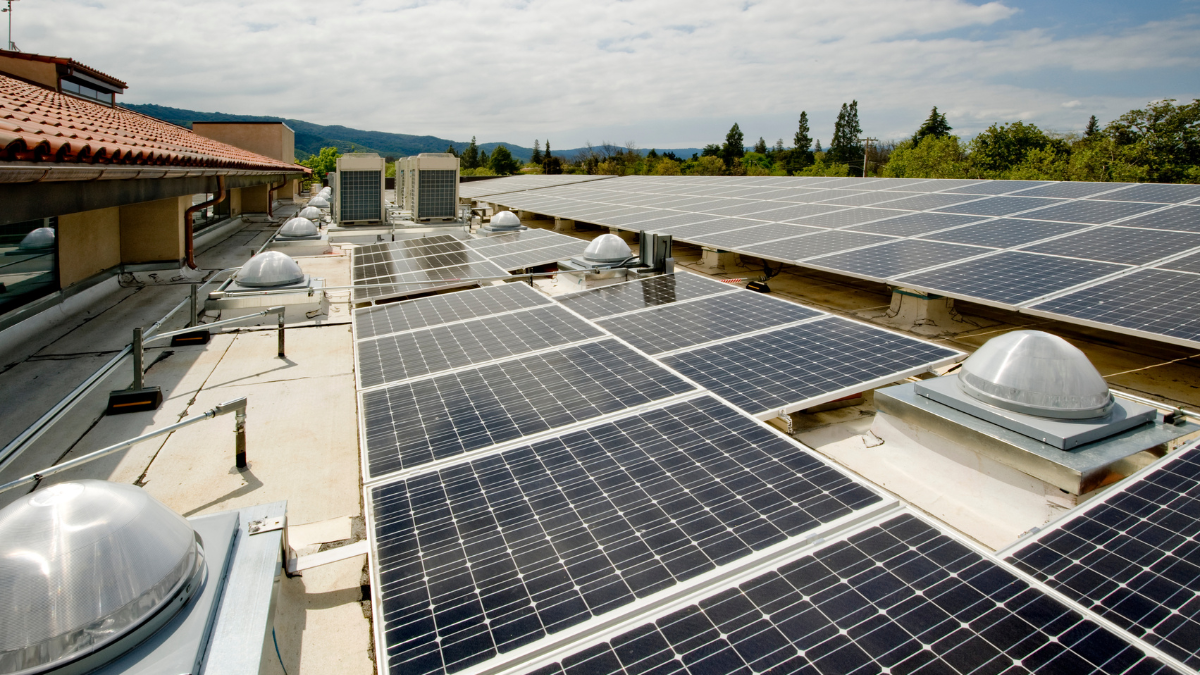
Imphal Floats Rooftop Solar Project Bids To Power Public Buildings
A new chapter in Manipur’s renewable energy transition has begun as authorities have invited bids for solar rooftop installations across government buildings in Imphal. The project, structured under the RESCO model, aims to accelerate clean energy adoption through a tariff-based competitive bidding system. Launched by the central hydropower firm’s renewable arm, this initiative is seen as a strategic move to bolster the region’s energy self-reliance while cutting down long-term electricity costs for public infrastructure. Experts say this initiative aligns with India’s decentralised energy goals and could be transformative for North-East India’s solar energy footprint.
Under this second phase, project developers will implement grid-connected rooftop solar systems across multiple public facilities in Manipur. The bidding process, divided into technical qualification and financial stages, is open to Indian companies that meet both technical and financial eligibility criteria. By mandating experience in large-scale solar or infrastructure projects and ensuring robust financial health, officials hope to attract serious players. The project will operate under the RESCO (Renewable Energy Service Company) model, wherein developers will install, operate, and maintain the systems and recover investments through fixed tariffs, reducing the upfront burden on the state. The timing of the rollout is critical. Rising electricity demands, climate concerns, and grid instability in remote regions have made distributed solar infrastructure more urgent than ever. By tapping into public rooftops, Manipur aims to use idle space for energy generation, reducing dependency on fossil fuels and enhancing civic resilience.
The nine-month commissioning period from the date of the Power Purchase Agreement (PPA) signing indicates the urgency to operationalise these systems before peak summer demand in 2026. Officials involved in the bidding process believe this will not only enhance energy security but also create local jobs and promote skill development in clean energy sectors. However, implementation will not be without its challenges. Despite the promising model, on-ground execution in hilly terrains and bureaucratic complexities in government building access may delay installation. Ensuring the coordination of multiple departments, timely payment assurance, and consistent grid connectivity remains a concern. Still, bidders showing past experience in high-voltage infrastructure and solar projects bring confidence to the table.
The Rs 35.6 lakh bid security requirement and a document cost of Rs 5,000 may deter smaller firms, but also ensure only capable developers participate. Stakeholders believe the e-Reverse Auction feature will help maintain transparency and competitiveness in tariff discovery. As the city prepares to open bids from August 21 onwards, the project represents more than a tender—it’s a litmus test for decentralised energy in the North-East. If successful, it could serve as a template for other regions grappling with energy access and climate-resilient urban planning. For residents, it signals a future where clean energy becomes a public good, embedded in civic infrastructure and accessible to all. While short-term hurdles remain, the long-term vision of a greener, more self-sustaining Manipur appears within reach.