


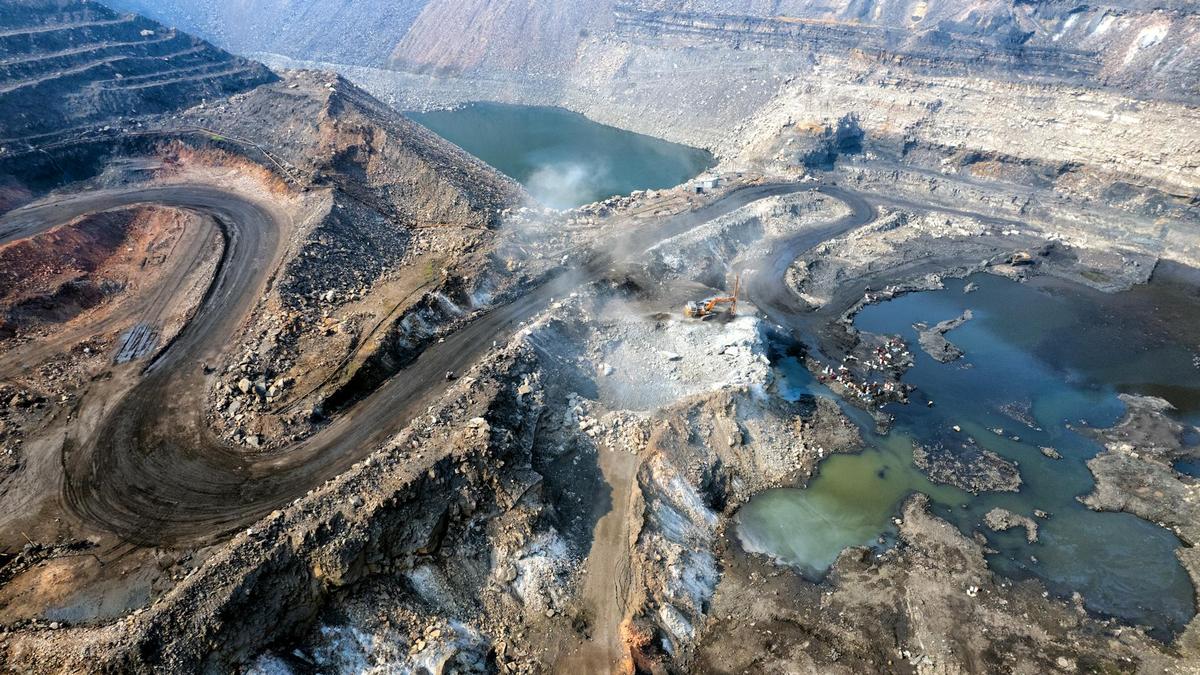
Impact of Coal Dust on Local Ecosystems
The ecological consequences of coal mining extend far beyond air and water pollution, with growing concerns about the harmful effects of coal dust on plant and tree life in mining areas. In regions where large-scale mining operations dominate, the constant release of coal dust into the atmosphere has begun to take a visible toll on the surrounding natural environment.
Plants and trees, which play a vital role in maintaining local ecosystems, are bearing the brunt of this environmental hazard. Fine particles of coal dust, carried by the wind, settle on leaves, branches, and soil, preventing plants from absorbing sunlight and nutrients effectively. Over time, this leads to stunted growth, wilting, and in severe cases, the death of vegetation. The dust also contains toxic chemicals, further exacerbating the adverse effects on plant health.
The problem is particularly evident in areas near active coal mines, where the density of coal dust in the air is significantly higher. While the immediate impact on local flora is noticeable, the long-term consequences could be even more devastating. Reduced vegetation not only disrupts the local ecosystem but also affects agricultural activities, which rely heavily on healthy soil and plant life for crop production.
The situation is alarming because, in many mining regions, this environmental degradation is exacerbated by inadequate dust management practices. While there are regulations in place aimed at controlling dust emissions, enforcement remains weak in several areas. Furthermore, the development of mitigation strategies has been slow, leaving plants and trees exposed to the harmful effects of coal dust for extended periods.
In addition to the immediate ecological damage, the broader implications of coal dust are more concerning. The loss of vegetation can lead to soil erosion, diminished air quality, and the degradation of habitats for wildlife. Moreover, the pollution of the soil with coal dust could make the land unsuitable for farming, further straining the livelihoods of local communities who depend on agriculture.
Addressing the issue requires an integrated approach that includes stricter environmental regulations, improved dust suppression technologies, and effective monitoring systems to ensure compliance. The mining industry must also prioritise the rehabilitation of affected areas, including the planting of native vegetation to restore balance to the ecosystem.
the unchecked release of coal dust in mining regions is causing significant harm to the environment, particularly to plants and trees. If left unaddressed, it could have long-lasting effects on the region’s ecosystem, agriculture, and overall environmental health. A concerted effort from all stakeholders is required to mitigate this damage and protect the environment for future generations.
