


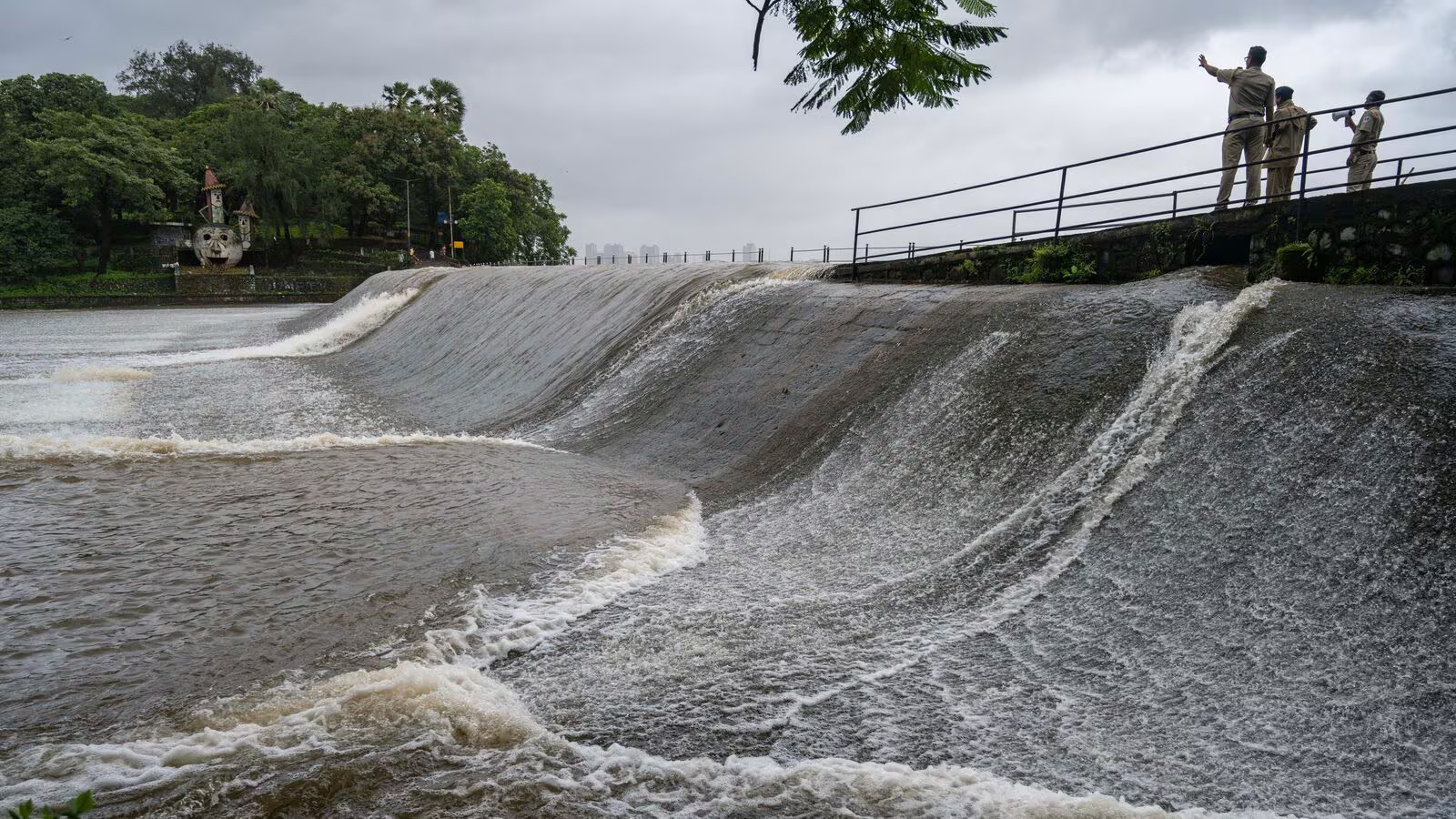
Mumbai and its surrounding districts have been placed on high alert after the India Meteorological Department (IMD) issued a red warning for extremely heavy rainfall. The advisory, the most severe category of weather alerts, signals that the city could face more than 200 millimetres of rain in a 24-hour cycle, with risks of flooding, waterlogging and transport paralysis across low-lying zones.
The fresh warning comes after another spell of torrential rain brought much of the city to a standstill. Local officials confirmed that several neighbourhoods in Mumbai and its suburbs experienced severe waterlogging, while traffic snarls and delays across public transport networks added to commuter woes. Residents in flood-prone pockets reported rising water levels, particularly in underpasses and residential colonies abutting natural drains. According to state data, at least 21 people have lost their lives in rain-related incidents across Maharashtra since the onset of this week’s intense monsoon surge. Two of these deaths were reported from Mumbai’s suburban belt, with officials attributing the fatalities to infrastructure failures worsened by continuous downpours. In addition to the human toll, civic authorities flagged risks of structural damage, erosion and power failures as pressing concerns.
Neighbouring districts, including Thane and parts of the Konkan belt, have also been brought under red and orange alerts, with experts warning of river systems breaching danger marks in hilly terrains. Emergency response teams have been stationed in vulnerable regions, while schools and colleges in some districts have been closed as a precautionary measure. Meteorologists and climate experts underline that the frequency and severity of such rainfall events are consistent with long-term projections of climate change impacts on India’s west coast. Mumbai’s fragile drainage network, coupled with unplanned urban expansion and the loss of wetlands, has exacerbated the city’s vulnerability to flooding. Officials noted that while emergency action plans are in place, long-term adaptation strategies must prioritise eco-sensitive urban design and flood-resilient infrastructure.
The city’s recurring monsoon challenges are not simply a matter of heavy rainfall but of inadequate preparedness. Experts stressed the importance of restoring natural stormwater pathways, upgrading power and transport systems, and regulating construction in flood-prone zones. Without systemic reform, extreme weather events will continue to threaten both lives and livelihoods, particularly among the city’s most vulnerable communities. As Mumbai waits out the latest round of heavy showers, civic agencies remain on high alert with pumps, relief shelters and emergency teams mobilised. The rains may relent in the coming days, but the underlying lesson is clear: India’s financial capital must transition towards sustainable and climate-resilient planning to withstand the intensifying impact of the monsoon.
Also Read: Mumbai Rains Bring Flight Delays School Closures And Urgent City Road Repairs
