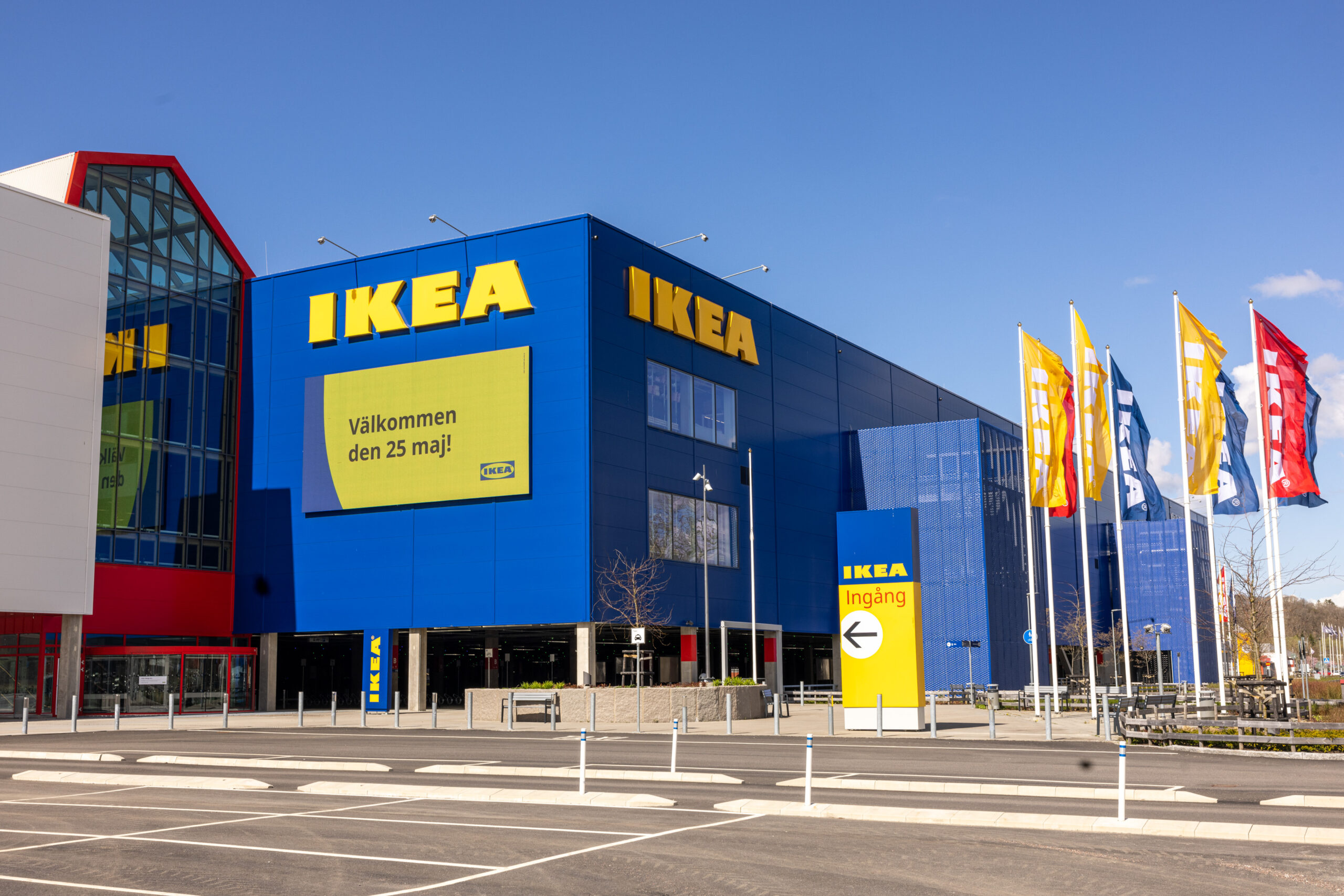
Urban homes across India are being quietly reconfigured as living rooms double up as offices, dining tables turn into workstations, and bedrooms absorb new functional roles. This behavioural shift is prompting major changes in how home design, furnishing strategies and residential planning are approached — with IKEA India emerging as a key barometer of changing urban lifestyles and domestic space usage.
The transformation reflects deeper changes in how Indian cities function. As hybrid work becomes embedded across sectors, households are adapting interiors to support productivity without sacrificing comfort. Industry experts note that this transition is no longer temporary or limited to metros; it is influencing housing expectations across Tier I and Tier II cities, where space efficiency and affordability remain critical constraints. For urban planners and housing designers, this marks a structural change in how residential environments are expected to perform.IKEA India’s recent strategic communication and product positioning underline this shift. The home furnishings retailer is increasingly framing the home as a starting point for daily activity — not only rest, but work, learning, creativity and entrepreneurship. This signals a broader recalibration within the home improvement sector, where furniture and storage solutions are being designed for adaptability rather than single-use living. Analysts see this as a response to real demand rather than a branding exercise, driven by households seeking flexibility within limited square footage.
From an urban development perspective, the implications extend beyond interiors. Homes that support work and study reduce dependence on daily commuting, easing pressure on transport infrastructure and lowering household carbon footprints. The convergence of living and working within residential spaces aligns with long-term climate resilience goals, especially in dense cities where congestion, emissions and land scarcity intersect. Urban designers increasingly view multifunctional housing as a practical pathway towards more sustainable city systems.The shift also intersects with real estate design. Developers are observing rising interest in layouts that accommodate compact work zones, acoustic privacy and natural lighting. Integrated storage, modular furniture and reconfigurable layouts are becoming essential features rather than optional upgrades. IKEA India’s focus on modularity reflects this demand, mirroring how residents prioritise flexibility over size in urban homes.
However, the transition is uneven. Housing experts caution that access to adaptable interiors and ergonomic solutions remains skewed towards higher-income urban households. Smaller cities and rental markets often lack affordable options for retrofitting homes to support work-from-home needs. Bridging this gap will be crucial to ensuring inclusive urban growth, where productivity at home does not become a privilege limited to select segments.Looking ahead, the role of companies like IKEA India will extend beyond furniture sales. Their design philosophy, affordability strategies and space-optimisation solutions could influence how future urban homes are planned, renovated and regulated. As Indian cities continue to absorb demographic and economic shifts, homes that seamlessly support living and working may become a defining feature of resilient, people-first urban development.