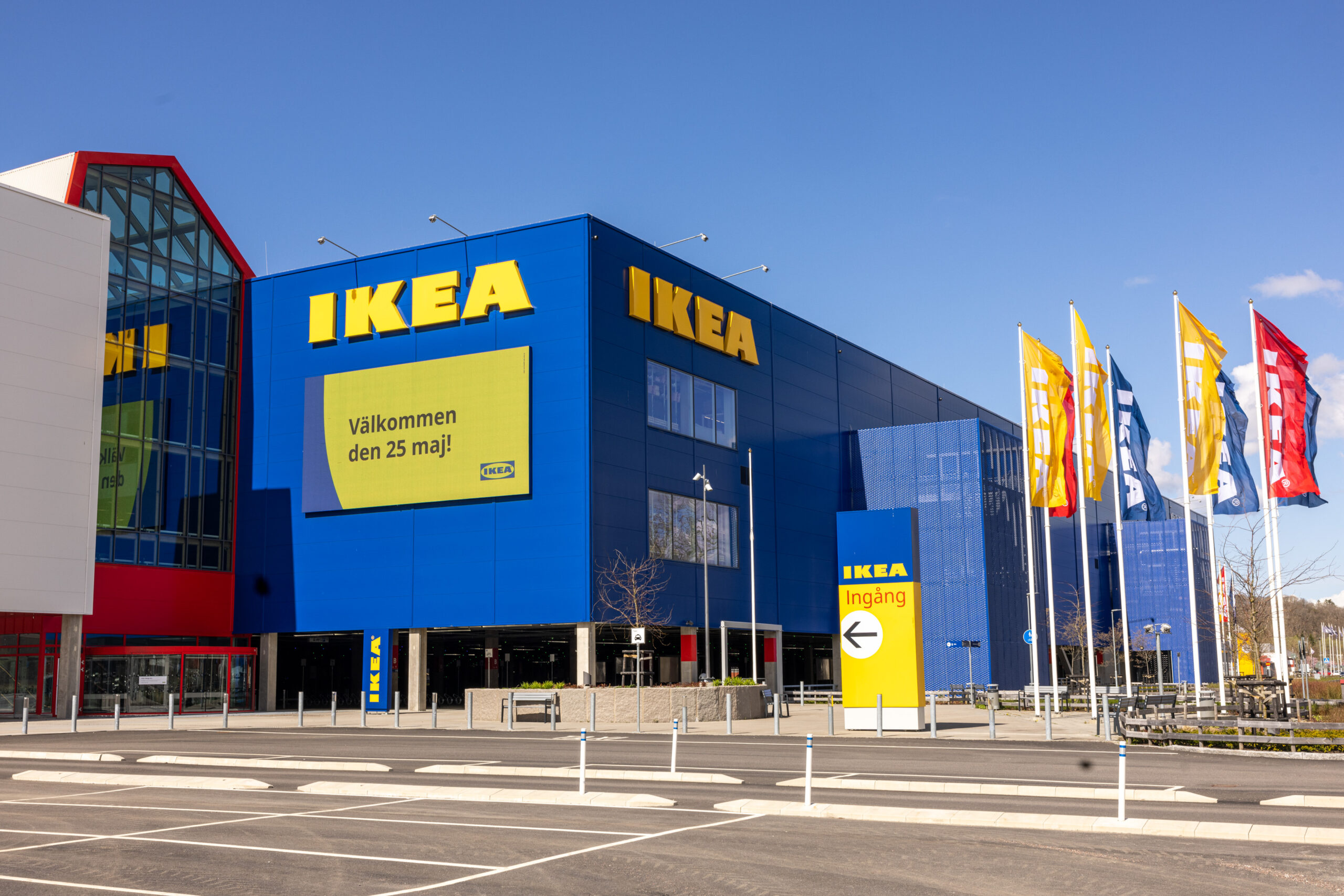
IKEA India Growth Signals Home Furnishing Market Shift
India’s home furnishings sector is entering a new growth phase, with global retailer IKEA playing a central role in shaping demand for organised, design-led furniture solutions across urban markets.The IKEA India growth trajectory reflects broader shifts in consumer behaviour, as rising urbanisation, nuclear households, and evolving lifestyle preferences drive demand for functional, affordable, and aesthetically designed home furnishings. Industry estimates suggest that the organised home furnishing market is poised for significant expansion, supported by increasing disposable incomes and housing demand.
The presence of IKEA in India has accelerated the transition from an unorganised, carpenter-led ecosystem to a more structured retail model. Standardised products, transparent pricing, and ready-to-assemble formats are redefining how consumers approach furniture purchases, particularly in metropolitan regions.This transformation is closely linked to changes in housing patterns. As urban homes become more compact, there is growing demand for modular, space-efficient furniture that maximises utility without compromising on design. Products that combine storage, flexibility, and ease of assembly are gaining traction among younger, urban consumers.From an infrastructure and urban development perspective, the IKEA India growth story highlights the evolving relationship between housing and interiors. Furniture is increasingly being viewed as an integral part of the built environment, influencing how spaces are designed, used, and experienced. This shift is encouraging developers to consider interior solutions at the planning stage rather than as an afterthought.The expansion of organised retail in this segment is also creating ripple effects across supply chains. Local sourcing, manufacturing partnerships, and logistics networks are being strengthened to meet rising demand. IKEA has been investing in domestic sourcing capabilities, aligning with national priorities around manufacturing and job creation.
Sustainability is another key dimension shaping the market. Consumers are showing increased interest in durable, responsibly sourced materials and products with longer lifecycles. Organised players are responding by incorporating eco-friendly materials, circular design principles, and energy-efficient production processes.However, the market remains highly competitive. Domestic brands, regional manufacturers, and emerging online platforms are all vying for market share, creating a dynamic landscape. Price sensitivity continues to be a defining factor, particularly outside premium segments, requiring companies to balance affordability with design and quality.Experts note that the growth of the organised home furnishing sector could have long-term implications for urban living. Better-designed furniture can improve space utilisation, enhance comfort, and contribute to more efficient housing layouts—an important consideration in densely populated cities.The IKEA India growth narrative also underscores the increasing convergence between retail, design, and urban development. As cities expand and housing demand rises, the role of furniture in shaping liveable environments is becoming more pronounced.
Looking ahead, the sector’s trajectory will depend on how effectively companies integrate affordability, sustainability, and innovation. As organised players deepen their presence, India’s home furnishings market is likely to evolve into a more structured, design-driven ecosystem aligned with the needs of modern urban living.