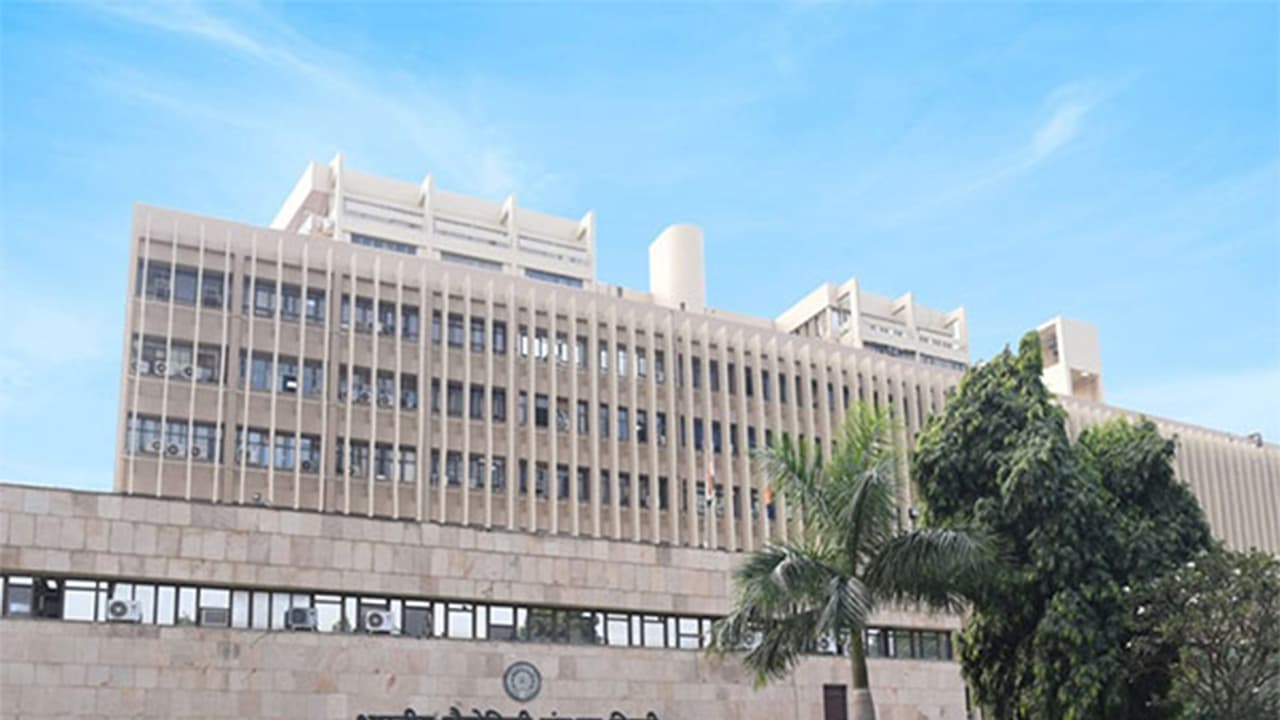
IIT Delhi and Jindal Steel Launch National Research Hub
New Delhi — The Indian Institute of Technology (IIT) Delhi and Jindal Steel have formalised a strategic collaboration to establish a Nodal Centre of Excellence for Structural Steel Research, signalling a coordinated effort to modernise design standards, boost technical capacity and accelerate sustainable construction practices across India’s infrastructure ecosystem.
The centre, launched under a memorandum of understanding between the premier institute and one of India’s leading steel producers, will focus on developing high-strength, performance-oriented structural steel applications tailored for diverse built-environment needs — from residential buildings and bridges to tall towers and industrial facilities. This initiative responds to growing demands from urban planners and infrastructure developers for materials and design frameworks that support faster delivery, economic efficiency and environmental resilience. Steel, long at the backbone of modern construction, offers significant advantages over conventional materials in terms of strength-to-weight ratio, durability and potential life-cycle carbon reduction — outcomes increasingly prioritised in sustainable urban planning.
Under the hub-and-spoke model led by IIT Delhi, the nodal centre will coordinate research, training and outreach with other Indian Institutes of Technology such as IIT Bombay, IIT Hyderabad, IIT Madras and IIT Roorkee. This collaborative framework aims to build a national ecosystem that integrates advanced research with real-world design support, industry engagement and capacity building. One of the centre’s core mandates is to modernise design codes and standards for structural steel — particularly in performance-based approaches that account for durability, multi-hazard resilience and lifecycle sustainability. For cities facing escalating challenges from climate change, seismic risk and urban density, such engineering refinements are increasingly essential to ensure safer and more adaptable infrastructure.
Beyond technical research, the centre plans to expand skills development nationwide through workshops, specialised curriculum development, digital learning platforms and direct design support for ongoing projects. By linking academia, industry professionals and policymakers, the initiative aims to shorten the translation from research insights to practical construction solutions. For the steel industry, which is central to India’s ambitious infrastructure build-out, this collaboration complements broader national and sectoral strategies. The Ministry of Steel has been promoting research and development initiatives to strengthen India’s domestic specialty steel ecosystem, aligning production capacity with performance needs and emerging sustainability priorities under national schemes.
Industry analysts note that structural steel’s adaptability also dovetails with trends in modular and prefabricated construction — approaches that can reduce construction timelines, limit site waste and enhance quality control. Integrating such methods into urban projects could help cities manage rising demand for housing, transit systems and public facilities more efficiently. However, realising these long-term benefits will require systematic integration with professional training, updated regulatory frameworks and cross-sector partnerships. The nodal centre’s success in establishing scalable design standards and broad-based skills will be pivotal to shaping the future steel workforce and enabling industry-ready innovation.
As India’s urban infrastructure continues to expand, the new nodal centre offers a promising model of how institutional collaboration can strengthen technical foundations — advancing not just material science, but more resilient, sustainable built environments that support inclusive growth.