


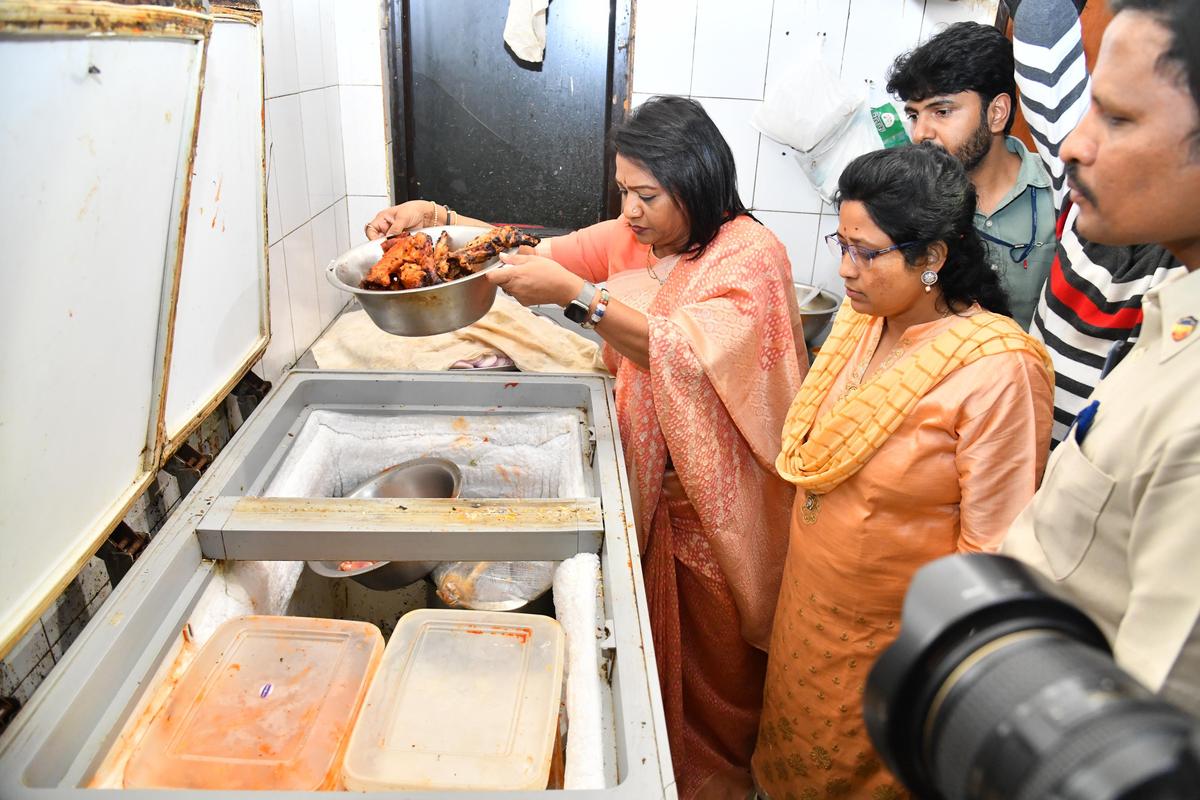
In recent months, Hyderabad’s vibrant restaurant industry has been rocked by a wave of inspections and raids conducted by the Telangana Food Safety Department. The ongoing crackdown, which aims to enforce stricter hygiene regulations, has left restaurateurs, particularly those in iconic areas like Begumpet and Banjara Hills, grappling with the fear of surprise audits. One manager of an established Udupi restaurant candidly admits, “There is a fear of surprise audits. One hundred per cent,” reflecting the growing anxiety across the city’s eateries.
The strict measures have exposed several operational challenges within the restaurant business. Despite efforts to uphold cleanliness, many owners struggle with the unpredictability of such inspections. One restaurant staff member expressed that while it’s not always feasible to guarantee 100% hygiene, the inspections have led to immediate corrective actions, such as nightly use of roach repellents after a cockroach was found in a dish. These incidents underscore the reality that even the most reputable eateries are vulnerable to health safety lapses.
Since March, the Food Safety Department has conducted 4,366 inspections and collected over 3,300 food samples from across the city. In response to violations such as the use of expired products, rotten meat, and harmful food colours, the department has filed 56 prosecution cases and levied penalties amounting to ₹66 lakh. Four licences have been suspended for severe violations, highlighting the growing urgency for food businesses to adhere to hygiene standards. The crackdown has forced many restaurateurs to evaluate their operations and adopt more stringent cleanliness practices.
From a sustainability perspective, this crackdown can be viewed as a catalyst for a shift towards more responsible food practices in the city. With Hyderabad’s diverse food culture, it is essential that hygiene and food safety be prioritised to ensure the longevity of the industry. Sustainable food practices, such as proper storage, responsible sourcing, and transparent labelling, are critical in maintaining the integrity of the culinary legacy while protecting public health. This push for better standards also aligns with the city’s evolving approach to urban development, where the focus is increasingly on safety, health, and long-term sustainability.
