


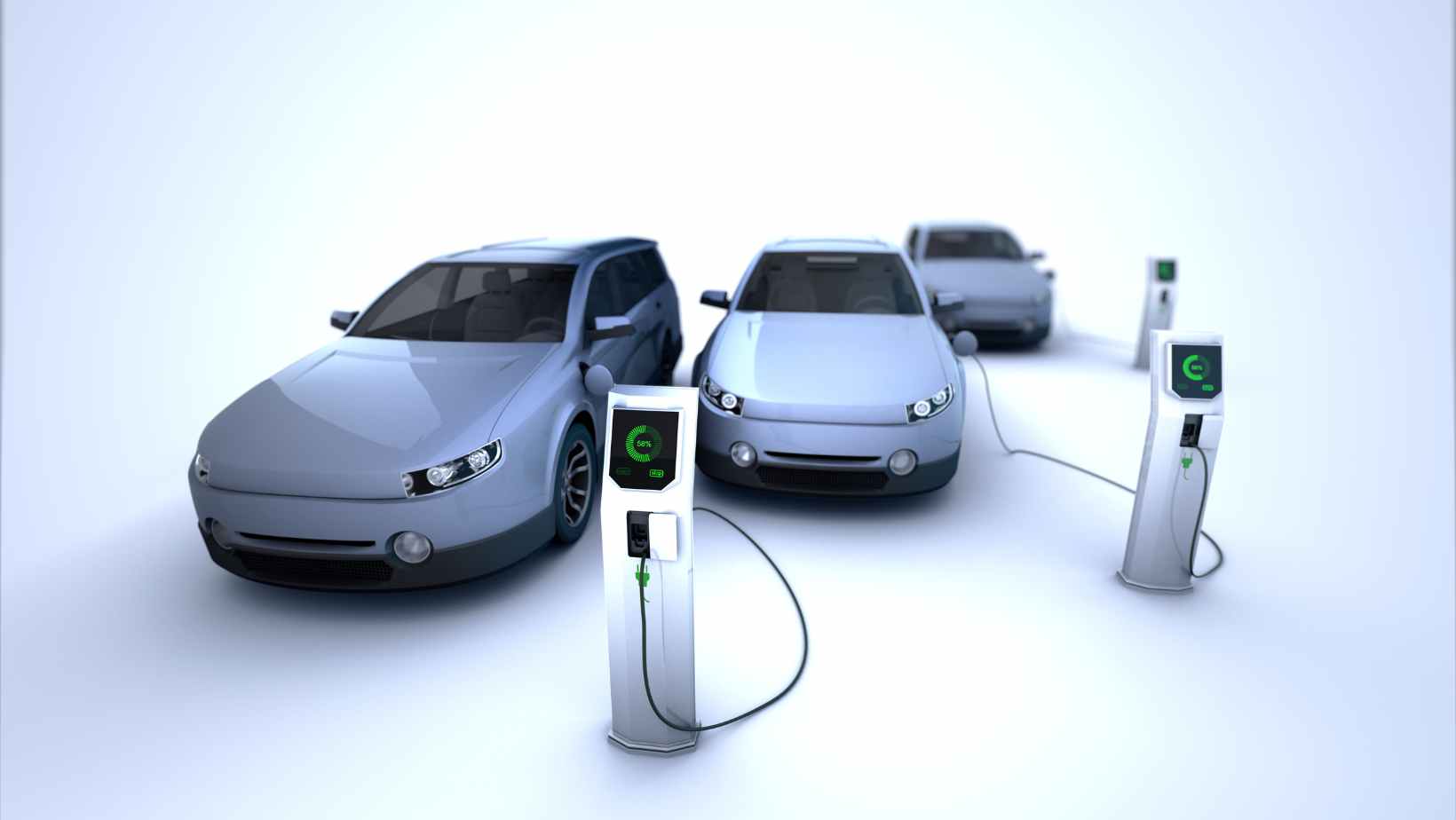
Hyderabad’s Electric Vehicle Owners Face Charging Infrastructure Shortage
As Hyderabad begins its transition towards sustainable mobility, the city’s electric vehicle (EV) owners are increasingly feeling the pinch of inadequate charging infrastructure. Despite the growing interest in EVs, the lack of sufficient, accessible, and visible charging stations is emerging as a significant barrier to the city’s electric vehicle adoption. The issue is particularly pressing for those relying on EVs for daily commuting, as finding a functional and convenient charging station remains a major challenge.
Currently, Hyderabad is home to approximately 190 EV charging stations, most of which are located in fuel stations, malls, hotel premises, and corporate parks. While this may seem like a reasonable number, it’s insufficient to cater to the growing population of electric car users in the city. The demand for an expanded, well-distributed network of charging stations is becoming critical. EV owners are particularly frustrated with the non-visibility and lack of accessibility to charging points, often making it difficult to rely on electric vehicles for longer commutes. Most owners limit their trips to less than 50 kilometres due to the concern of running out of charge and being unable to find a nearby station to replenish the battery.
The need for a robust and easily accessible charging infrastructure is becoming increasingly urgent. Many EV car owners are advocating for the establishment of a widespread network of charging stations, akin to the ubiquitous fuel pumps that line the roads. “We need more charging stations, and they should be as common and easily accessible as regular parking spaces. This will go a long way in encouraging people to switch to electric vehicles,” said one frustrated EV owner. To further drive the adoption of EVs, the government and private sector stakeholders must urgently look into expanding the charging infrastructure to meet this growing demand.
From a cost perspective, the price of charging an electric vehicle at public stations stands at ₹12.06 per kWh, a rate capped by government subsidies. Home-charging costs vary, but it’s estimated that charging an EV at home will increase a household’s monthly electricity bill by ₹300 to ₹400 for a two-wheeler and ₹2,500 to ₹3,000 for a four-wheeler. For many EV owners, charging at home is a more affordable option, although it requires careful monitoring of electricity usage to avoid unexpected costs. On the other hand, charging at public stations adds an extra layer of convenience for those without access to home charging points, but finding a nearby station remains a problem.
The issue is not just about infrastructure but also about the integration of technology. To locate a charging station, many EV owners rely on their vehicle’s built-in navigation system, which often displays the nearest charging point along with the estimated range left on their vehicle. For those without such systems, third-party apps like Google Maps and operator-specific mobile apps offer an alternative. However, this self-service model at charging stations often creates confusion and stress, as users must ensure compatibility with their vehicle’s charger and navigate online payment systems. Charging times also vary depending on the vehicle’s battery size and the type of charger being used. On average, an EV with a 60 kWh battery takes around 8 hours to fully charge at a 7 kW charging point, while a fast charger can offer a substantial range boost in as little as 35 minutes.
Sustainability Perspective:
The challenge of insufficient EV charging infrastructure presents a unique opportunity to address both environmental and urban mobility challenges. Expanding charging stations will not only make EV ownership more convenient but will also further the city’s goal of reducing its carbon footprint. As Hyderabad continues to grapple with the increasing population and pollution, enhancing EV infrastructure aligns with the city’s commitment to environmental sustainability. By focusing on green infrastructure that supports electric mobility, Hyderabad can position itself as a leader in urban sustainability, helping both citizens and the environment transition to a cleaner future.
The current EV infrastructure situation in Hyderabad clearly highlights the need for immediate attention to build a more reliable and widespread network of charging stations. Without this investment in future-proof infrastructure, the transition to electric vehicles may remain stunted, hindering the city’s ability to meet its climate goals and make the most of the electric mobility revolution.
