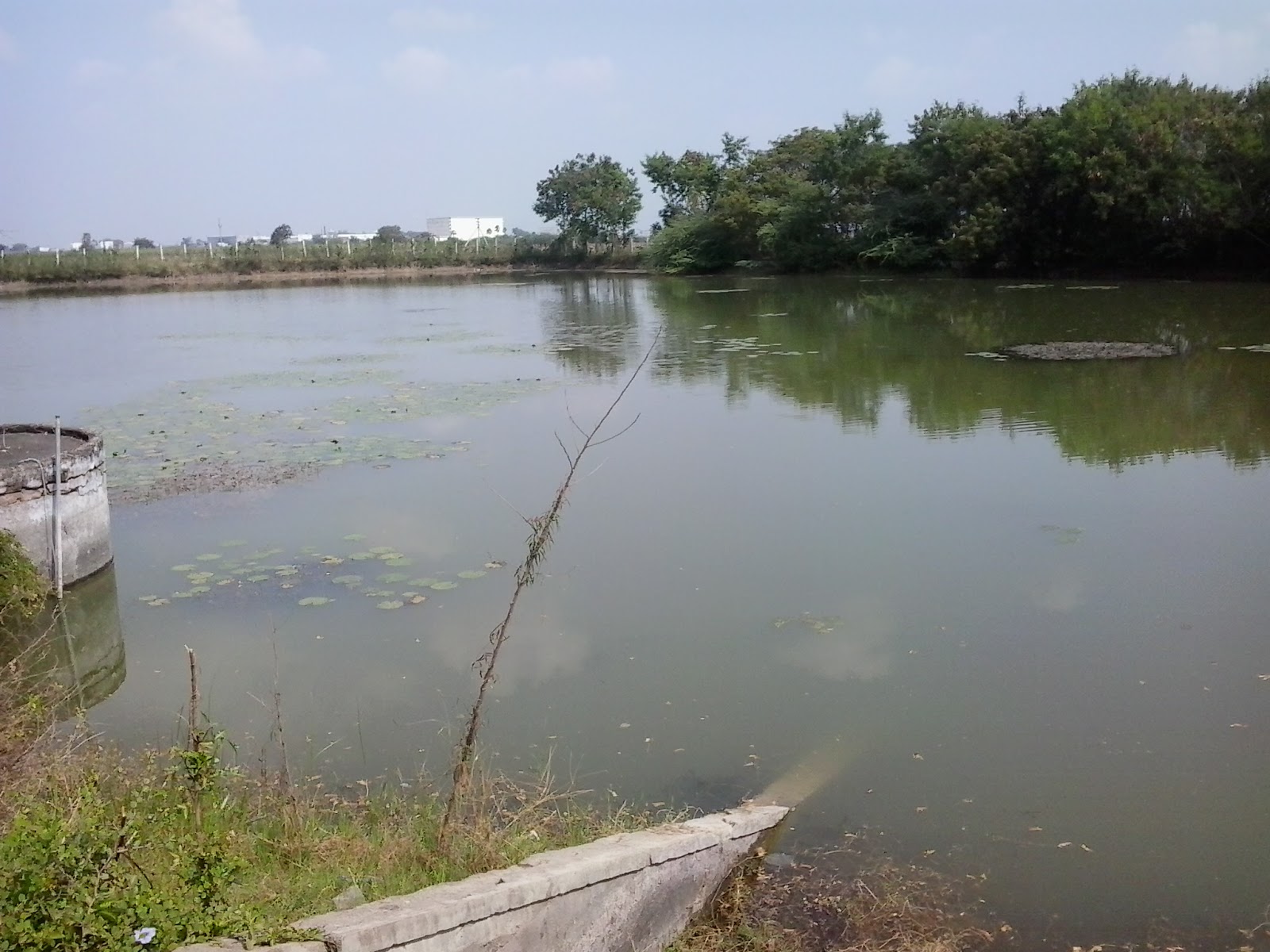
Hyderabad’s Asanikunta Lake Clinically Dead After Months of Extreme Pollution
Hyderabad’s Asanikunta Lake has reached an ecological tipping point, with scientists declaring it clinically dead due to zero oxygen levels and extreme contamination. Monitored by the State Pollution Control Board, the lake has remained in Class E — the lowest water quality grade — for three months, signalling a complete collapse of aquatic life. Environmental experts warn residents not to use the lake’s water even for irrigation, citing dangerously high levels of organic, chemical, and bacterial pollutants.
According to data accessed from the State Pollution Control Board, Asanikunta Lake exhibited zero dissolved oxygen (DO) from January through March 2025 — a definitive indicator that no aquatic life can survive. The minimum DO for any aquatic ecosystem is 4 mg/l, but the lake failed even this baseline, revealing the severity of its degradation. Compounding this, Biochemical Oxygen Demand (BOD), which reflects the load of organic pollutants, increased from 62 mg/l to 82 mg/l within the same period, far exceeding safe limits. Electrical conductivity also surged from 7,105 mS/cm in January to over 12,800 mS/cm in April, pointing toward industrial effluents and heavy salinity. Despite a relatively stable pH, total coliform bacteria — primarily from domestic sewage — were consistently detected, confirming faecal contamination. Environmental scientists stress that such conditions are not only unsafe for human contact but also detrimental to surrounding agricultural land if the water is used for irrigation.
Experts warn that the crisis at Asanikunta Lake is the result of sustained systemic neglect, illegal dumping, and rapid urbanisation. Once a seasonal recharge body supporting agriculture and groundwater tables, the lake has gradually transformed into a receptacle for sewage, industrial waste, and construction debris. Long-term exposure to boron concentrations, even at 0.3 mg/l, could degrade soil quality and reduce crop productivity, experts say. The stagnant conditions have also triggered eutrophication, where nutrient overload fuels algal growth and further depletes oxygen. Environmental scientists note that Asanikunta is not an isolated case — similar pollution levels and heavy metals have been identified in lakes and dumpsites across Maheshwaram, Chevella, LB Nagar, Moula Ali, and Gundlapochampally. These include point and area contamination zones and old municipal landfills now classified as brownfields. Without immediate intervention to restore natural water flow and block toxic inflows, scientists warn that more lakes may face irreversible collapse.
The demise of Asanikunta Lake underscores a growing environmental and public health emergency in Hyderabad’s peri-urban zones. Experts caution that continued inaction could see similar ecological failures across the city’s water bodies. The toxic state of the lake not only endangers aquatic life but also poses long-term risks to agriculture, groundwater safety, and community health. Authorities must prioritise urgent restoration, including sewage diversion, natural flow revival, and enforcement against encroachments. As the lake absorbs a cocktail of pollutants daily, scientists reiterate that prevention, not rehabilitation, may soon be the only viable path to safeguarding Hyderabad’s remaining freshwater ecosystems.