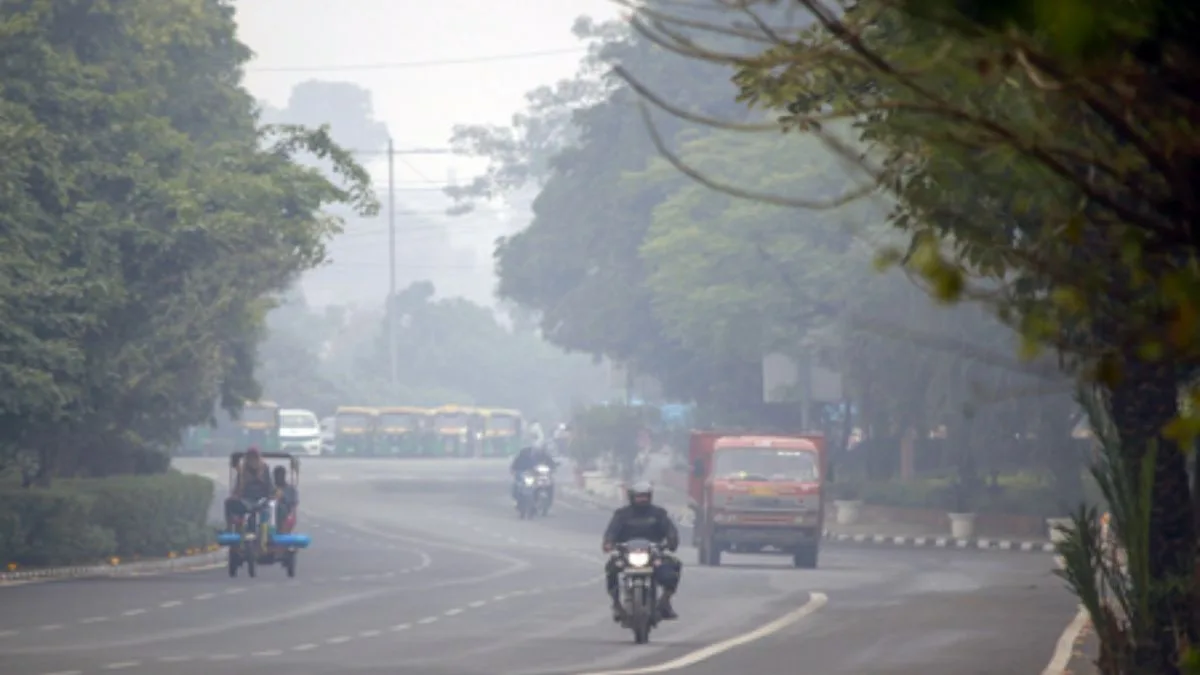
Hyderabad is preparing for an extended spell of colder-than-usual winter conditions, with meteorological projections indicating a sharp dip in night-time temperatures and persistent fog across the city and much of Telangana over the coming week. The forecast has implications beyond personal comfort, affecting mobility, public health, and early-morning economic activity in one of India’s fastest-growing urban regions.
Minimum temperatures across several Hyderabad neighbourhoods have already fallen below the seasonal average, with readings in parts of the city slipping under 15 degrees Celsius. In outlying districts of Telangana, night temperatures have dropped further, touching near 10 degrees Celsius in some locations. Weather officials say these conditions are consistent with a second cold phase typical of early January, driven by dry northerly winds and clear night skies that allow heat to dissipate rapidly. While no formal cold-wave alert has been issued for Hyderabad, the India Meteorological Department has indicated that fog and haze are likely to persist during night-time and early morning hours for several days. Such conditions can disrupt road traffic, rail operations, and aviation schedules, particularly during peak commuter hours. Urban transport planners note that reduced visibility often leads to slower traffic movement and higher accident risk, underlining the need for cautious travel planning.
For the city’s workforce, especially those in construction, logistics, sanitation, and informal services, prolonged winter conditions can translate into productivity challenges and health concerns. Public health experts point out that sudden temperature drops can exacerbate respiratory illnesses, particularly among the elderly, children, and outdoor workers living in inadequately insulated housing. The cold spell also draws attention to Hyderabad’s broader urban resilience. Unlike northern cities, southern metros are less equipped with winter-ready infrastructure, such as insulated housing or heating systems. Urban planners argue that climate variability including sharper winter lows and hotter summers reinforces the need for climate-responsive building design, improved urban greening, and better shelter solutions for vulnerable populations.
Foggy mornings are expected to coincide with slightly cooler daytime temperatures, with maximums projected to hover around the mid-20s Celsius. While this may offer temporary relief from heat stress, experts caution that sustained cold conditions can strain energy consumption patterns as households rely more on electrical appliances for warmth. From a sustainability perspective, meteorologists and urban analysts see these recurring winter anomalies as part of a broader pattern of climate unpredictability.
They emphasise the importance of integrating weather risk assessments into urban planning, transport scheduling, and emergency response frameworks.
As Hyderabad navigates this period of intensified winter conditions, city authorities and residents alike are being urged to adapt daily routines, prioritise safety during low-visibility hours, and remain alert to further advisories. The coming days will test how well a rapidly expanding city can respond to short-term climate stress while planning for long-term resilience.
Hyderabad Winter Conditions Set to Intensify This Week