


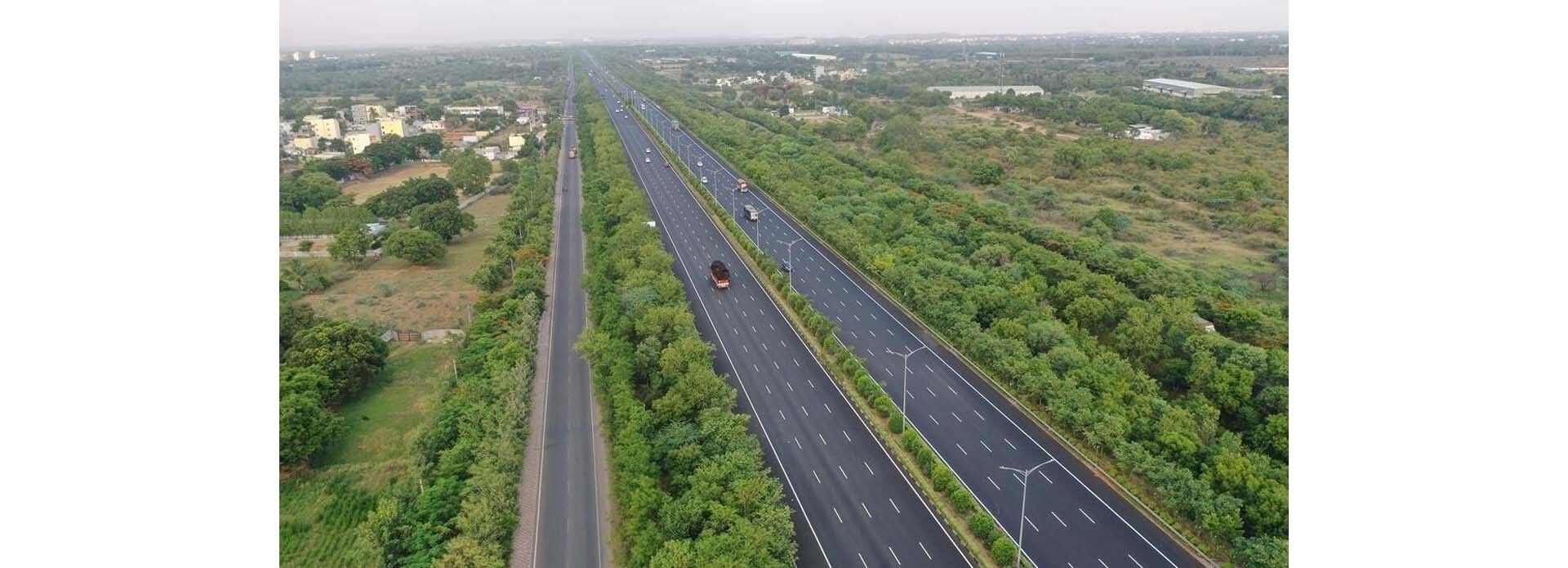
Hyderabad’s fast-growing western flank is poised for a significant connectivity overhaul, with metropolitan planners initiating statutory steps to add new road corridors and widen existing arterial routes. The proposals, now placed in the public domain, aim to reduce travel stress between residential clusters, employment hubs and the Outer Ring Road, reflecting how transport capacity is struggling to keep pace with real estate-led urban expansion.
The draft plan focuses on bridging long-standing network gaps across peri-urban villages that straddle the boundary between the core city and the metropolitan region. Urban planners say the move is less about creating new destinations and more about correcting fragmented growth that has left commuters dependent on a few congested corridors linking IT employment zones, gated housing developments and older village roads.At the centre of the proposal is a new connector road intended to create a continuous east–west link between multiple neighbourhoods that currently rely on indirect or overloaded routes. Once integrated into the statutory master plan, this corridor is expected to offer an alternative to existing bottlenecks while redistributing traffic away from narrow village streets. Officials involved in metropolitan planning describe this as a structural fix rather than a short-term congestion measure.
Alongside the new corridor, several established roads in western Hyderabad are proposed to be widened in phases. These stretches currently carry a mix of commuter traffic, heavy construction vehicles and local movement, often without adequate pedestrian infrastructure. Transport experts note that road widening alone does not guarantee smoother travel, but when paired with service lanes and better junction design, it can improve safety and predictability for daily users.Another component of the plan includes service roads and grid links near water bodies and along existing infrastructure edges. While these are framed as connectivity enhancers, environmental planners emphasise that such projects must carefully manage stormwater flows and protect urban lakes, which play a growing role in climate resilience as extreme rainfall events increase.
Crucially, the proposed alignments fall within areas already governed by notified master plans. The current exercise is a procedural update to formally designate these routes as master plan roads, a step required before land acquisition and detailed engineering can proceed. Public consultation has been opened, allowing landowners and residents to raise objections or suggest modifications, a process that often shapes final alignments in fast-developing fringes.From a market perspective, improved western connectivity is likely to influence land values and housing demand, particularly in zones that promise shorter travel times to employment clusters. However, urban economists caution that infrastructure-led appreciation must be balanced with inclusive planning, ensuring access for public transport, non-motorised users and affordable housing.
As Hyderabad continues to expand outward, the success of this western connectivity push will depend on execution quality and coordination across agencies. The coming months of consultation and refinement will determine whether the road network evolves into a people-first mobility system or simply reinforces car-dependent growth patterns.
Also Read:India commercial offices rebound with broad based demand
Hyderabad Western Corridor Roads Set for Expansion
