Hyderabad Urban Expansion Strains Infrastructure Systems
Hyderabad’s rapid transformation into a high-growth metropolitan hub is accelerating real estate and infrastructure activity, but it is also intensifying concerns around urban livability. As policy changes encourage vertical development and land optimisation, the pace of construction across key corridors is raising questions about whether the city’s infrastructure and environment can keep up with its ambitions.
The current phase of Hyderabad urban expansion is being driven by strong demand from the technology, pharmaceutical, and startup sectors. Employment growth has drawn a steady influx of professionals, pushing residential and commercial development into areas such as the western growth corridor. Industry observers note that this expansion is reshaping land use patterns and significantly increasing property values, making real estate a key contributor to the regional economy. Recent regulatory relaxations are aimed at enabling high-density development through taller buildings and more flexible land use norms. Urban planners point out that such measures can improve efficiency by reducing horizontal sprawl and supporting transit-oriented growth. However, they caution that density without matching upgrades in civic infrastructure could create long-term stress points.
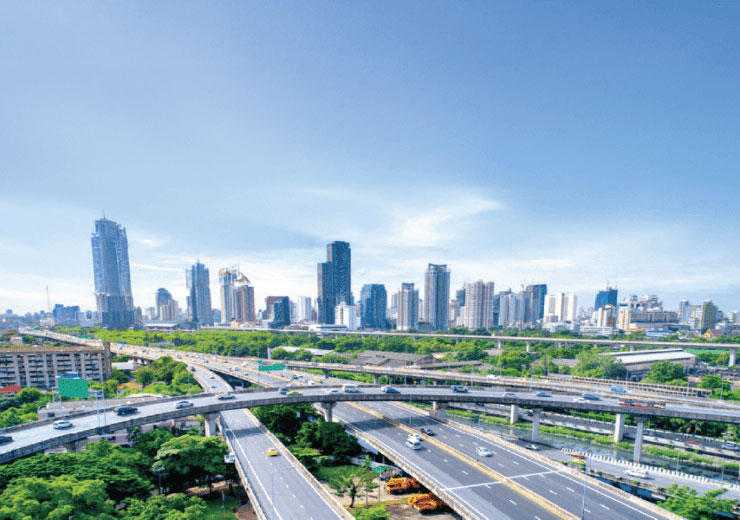
Transport systems are already showing signs of strain. Peak-hour congestion has become more widespread, even in newly developed zones. While investments in ring roads, elevated corridors, and metro rail have improved connectivity, gaps remain in last-mile access and integration. Experts suggest that without a stronger shift towards public transport and non-motorised mobility, rising vehicle ownership could offset infrastructure gains. Environmental pressures are another emerging risk linked to Hyderabad urban expansion. The city’s historic network of lakes and green buffers has steadily diminished due to encroachments and construction. This has implications for flood management, groundwater recharge, and urban heat. Climate specialists warn that extreme weather events could expose these vulnerabilities more sharply in the coming years. Affordability is also becoming a defining issue. As premium developments dominate central locations, middle-income households are increasingly moving to peripheral areas. This outward shift often leads to longer commutes, higher household expenses, and uneven access to services such as healthcare, education, and public spaces. Analysts highlight that balanced housing supply, including rental and mid-income segments, will be critical to maintaining social equity.
Policy experts emphasise that the next stage of growth must prioritise integrated planning. Mixed-use development, reliable public transport, and preservation of ecological assets are seen as essential to sustaining both economic momentum and quality of life. There is also growing consensus that citizen engagement and transparent governance can improve outcomes by aligning development with local needs. Hyderabad’s trajectory reflects a broader challenge facing fast-growing cities: managing scale without eroding liveability. How the city aligns infrastructure, environment, and housing with its expansion will shape whether its growth model remains resilient in the long term.