


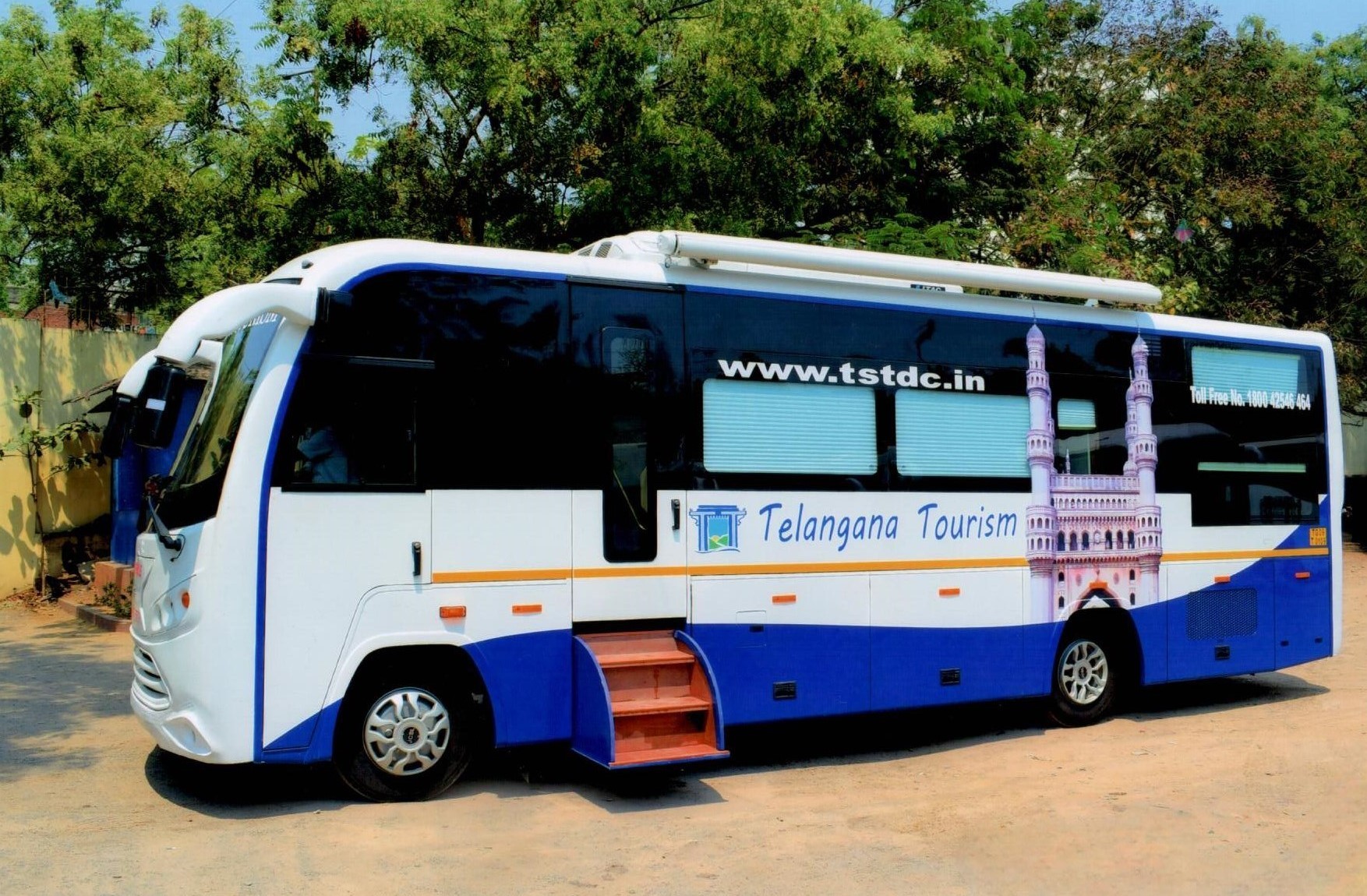
A fleet of double decker buses introduced to showcase Hyderabad’s landmark corridors is running well below potential, despite a capital outlay of ₹12 crore and significant recurring maintenance costs. The underutilisation of the six-vehicle fleet, procured by the Hyderabad Metropolitan Development Authority, has sparked fresh debate on how urban tourism infrastructure is planned, promoted and integrated into city mobility systems.
The buses were acquired roughly six years ago at ₹2 crore apiece to offer complimentary rides linking lakeside promenades, heritage precincts and emerging business districts. They are operated under the Buddha Purnima Project Authority, which oversees several waterfront public spaces. Yet commuters and visitors report limited information on routes, boarding points or schedules, and the vehicles carry only minimal branding that does not clearly identify destinations.Operational data shared by officials suggests moderate occupancy levels. However, on-ground observations and commuter feedback indicate that many trips run with sparse passenger loads, particularly outside weekends. Monthly upkeep reportedly exceeds ₹1 crore, making the cost per passenger high when ridership remains thin.
Currently, services connect Necklace Road to Hitech City, Tank Bund to Golconda, and a circular route passing major recreational hubs including Sanjeevaiah Park, People’s Plaza and Lumbini Park. These corridors sit at the intersection of leisure, heritage and commercial real estate growth. Urban mobility experts say that without clear wayfinding, digital integration and last-mile connectivity, such assets risk becoming symbolic rather than functional components of sustainable tourism.The state tourism department has formally sought transfer of the buses, arguing that redeployment across high-footfall destinations in Telangana could unlock greater value. Proposals are understood to include curated heritage circuits and intercity tourism packages, including routes to temple and monument clusters outside Hyderabad. Officials indicate discussions are ongoing.
The situation also revives memories of the double decker era operated decades ago by the erstwhile Andhra Pradesh State Road Transport Corporation. Older residents recall packed upper decks on routes linking Secunderabad, Abids and Charminar, particularly along Tank Bund. That nostalgia underscores the latent demand for distinctive public transport experiences when services are reliable and visible.From an urban development perspective, the Hyderabad double decker buses were conceived as low-emission, shared mobility options supporting tourism and reducing private vehicle pressure along sensitive lakefront stretches. However, experts caution that hardware investments must be matched by software — route transparency, multilingual signage, app-based tracking and partnerships with hotels and travel operators.
As Hyderabad expands its skyline and visitor economy, the challenge is not merely preserving assets but activating them. Whether through inter-agency transfer or operational overhaul, the Hyderabad double decker buses represent a test case in aligning tourism infrastructure with smart, climate-conscious urban planning.
Hyderabad tourism buses struggle for riders
