


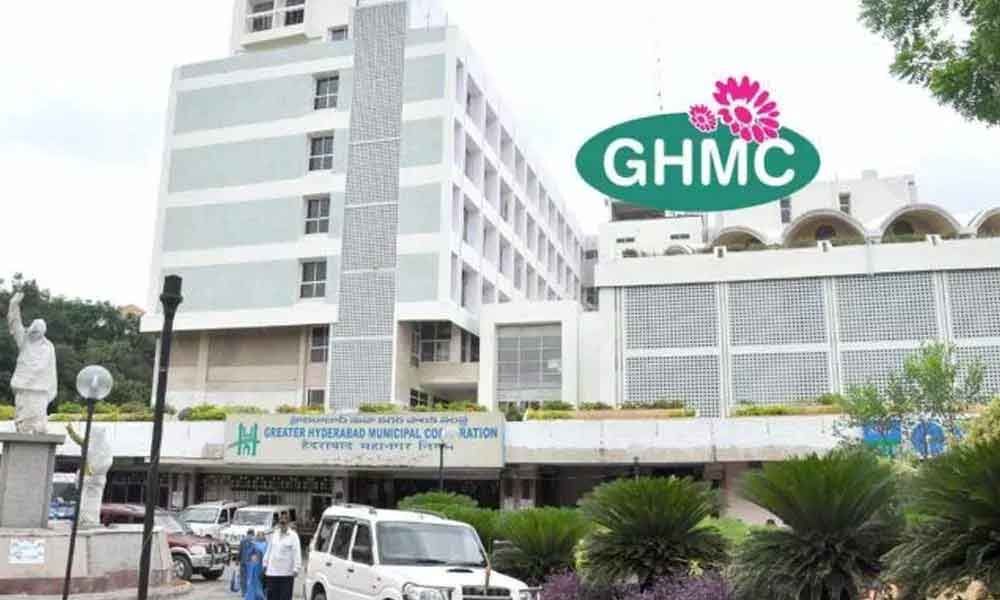
Hyderabad is set for its most significant municipal restructuring in nearly a decade, with the state government approving the merger of 27 municipalities into the Greater Hyderabad Municipal Corporation (GHMC). The measure—cleared by the governor through an ordinance on Monday—is aimed at creating a more unified administrative framework for a metropolitan region that has expanded far beyond its original boundaries.
The ordinance activates the next phase of the consolidation process, under which the law department will publish a detailed gazette notification. This will outline jurisdictional changes, transition timelines, and the transfer of responsibilities. Senior officials confirmed that a comprehensive inventory of assets, liabilities, personnel, and civic infrastructure across all 27 local bodies will be recorded to ensure clarity during the formal handover. The merged entities include seven municipal corporations and twenty municipalities, many of which have experienced rapid population growth and increasing urban pressures over the past decade. According to urban development officers, combining fragmented local governments into a single metropolitan body is expected to reduce bureaucratic overlaps, bring consistency in service standards, and accelerate infrastructure delivery across newly urbanised zones. “Citizens do not differentiate between administrative borders when it comes to water, transport or sanitation. Governance needs to catch up,” an official commented.
With the expansion, GHMC’s responsibility will grow substantially in terms of geographical coverage, population density, and service delivery obligations. This raises questions around funding and capacity areas that experts say will determine the success of the merger. An urban finance researcher noted that consolidation alone does not guarantee better outcomes unless revenue-sharing, staffing structures and urban planning functions are strengthened accordingly. For Hyderabad’s real estate and mobility landscape, the merger could signal more predictable planning and zoning policies. Developers and industry analysts have long argued that uneven service capability across municipalities has slowed integrated growth in peripheral areas. A unified GHMC, they say, could potentially unlock smoother approval processes and coordinated infrastructure rollouts, benefiting residential and commercial projects in emerging corridors.
Residents, however, will judge the transition on visible improvements: uninterrupted water supply, streamlined waste management, safe mobility networks, and equitable access to public amenities. Civil society groups have emphasised that the restructuring should place marginalised settlements at the centre of planning rather than only focusing on real estate driven growth. When supported by inclusive policy-making, they argue, enlarged municipal jurisdictions can enhance gender safety, walkability, and climate resilience, not just administrative convenience. As the gazette notification nears release, the merger represents both opportunity and challenge. For Telangana, success will depend on whether this administrative overhaul translates into an urban system capable of supporting sustainable, equitable and future-ready development across the entire metropolitan region—not only within its traditional core.
Also Read : https://urbanacres.in/hyderabad-defence-investment-creates-new-growth-cluster/
Hyderabad To Integrate 27 Municipalities Into GHMC
