


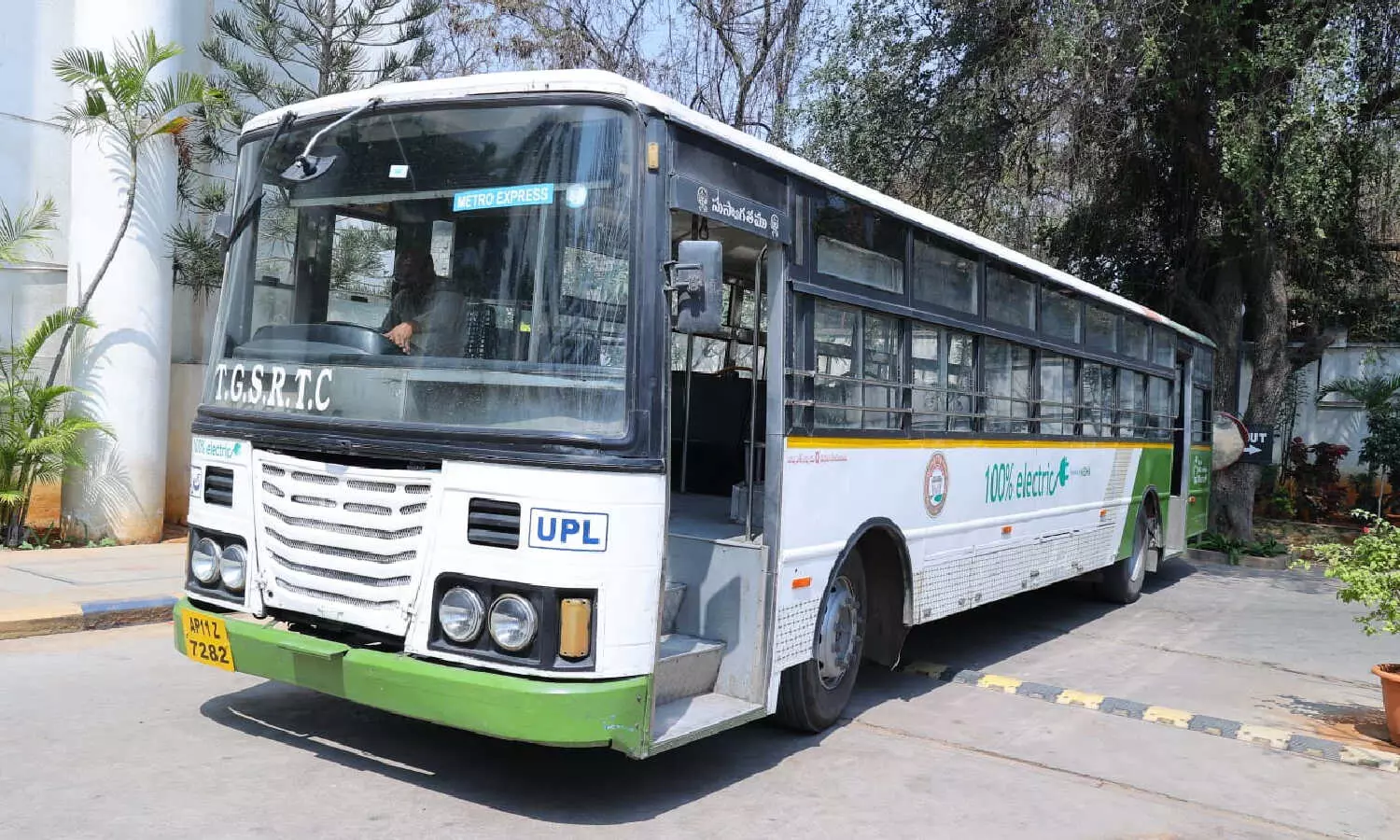
Hyderabad’s public transport network is preparing for a large-scale transition to cleaner mobility, with the State-run transport utility outlining plans to induct 2,800 electric buses within the Outer Ring Road (ORR) limits by 2027. The programme combines fresh procurement with retrofitting of existing diesel buses, signalling a cost-conscious approach to accelerating fleet electrification in one of India’s fastest-growing urban regions.
The initiative centres on a phased Hyderabad electric bus expansion, beginning with the conversion of 240 diesel buses through a retrofitting model. Contracts have been awarded to two automotive technology firms following a competitive tendering process completed last year. Retrofitting involves replacing internal combustion engines with electric drivetrains and battery systems, extending vehicle life while lowering upfront capital expenditure compared to entirely new purchases.Transport officials indicate that the goal is to operate all 2,800 electric buses within ORR boundaries — a zone that encompasses IT corridors, airport connectivity and high-density residential clusters. By concentrating deployment within this ring, planners aim to maximise ridership impact while reducing vehicular emissions in high-traffic growth corridors.
Currently, 325 electric buses are operational across six depots in the city. Another 175 are expected to be added during the ongoing financial year. To support the larger fleet under the Hyderabad electric bus expansion, charging infrastructure is being scaled up at 19 additional depots. Plans are also underway to build 10 new depots and 10 dedicated charging stations.The estimated outlay for depot and charging infrastructure development stands at approximately ₹392 crore. Urban mobility experts note that infrastructure readiness — rather than vehicle procurement — often determines the success of electric bus transitions. Charging turnaround times, grid reliability and depot land availability remain key operational variables.
Hyderabad’s expanding IT and residential hubs have led to rising private vehicle ownership, intensifying congestion and air quality concerns. According to transport planners, increasing the share of electric buses could help moderate pollution levels while improving accessibility for lower-income commuters who rely heavily on public transport.Sustainable transport specialists argue that retrofitting offers an interim pathway for State transport undertakings facing budget constraints. However, long-term viability will depend on battery performance, maintenance standards and integration with renewable energy sources to ensure genuine emissions reduction.
A pilot diesel-to-electric conversion undertaken in 2023 demonstrated the technical feasibility of the model and continues to operate within the city network. Officials suggest lessons from that project have informed the larger rollout strategy.As Hyderabad positions itself as a technology and services hub, the scale and execution of its electric bus programme will be closely watched. Beyond fleet numbers, the broader measure of success will lie in increased ridership, reduced per-capita emissions and improved commute reliability across the metropolitan region.
Also Read:Maharashtra Strengthens Health Water And Rural Partnerships
