


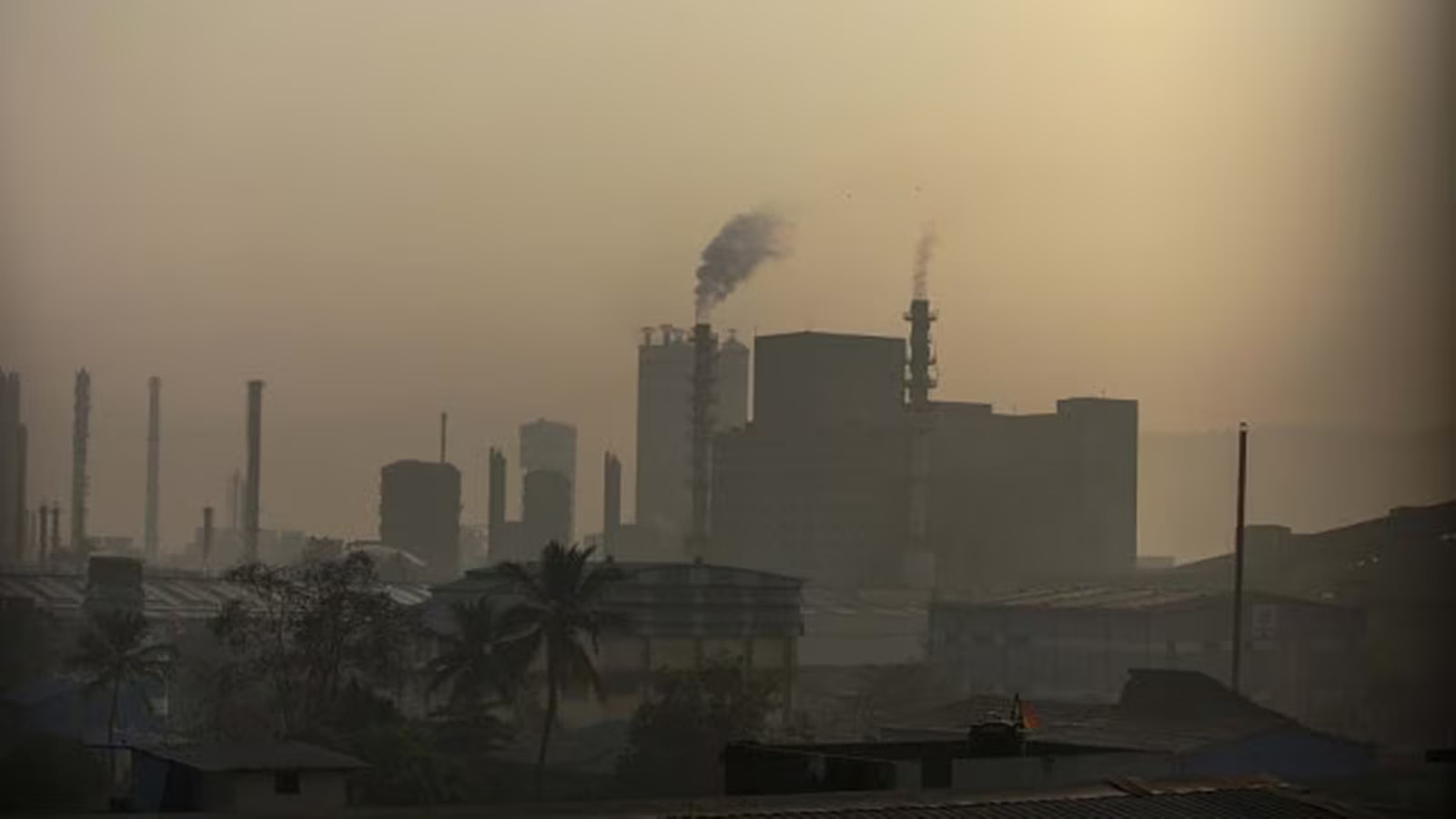
Hyderabad’s air quality remains in the hazardous bracket despite the implementation of a ₹727 crore action plan under the National Clean Air Programme (NCAP). Data from the Central Pollution Control Board (CPCB) shows that particulate matter (PM10) levels in the city remain 8 to 13 times above the World Health Organization’s recommended limits, with negligible improvement over the past year.
The NCAP funds were meant to finance an extensive range of interventions—from upgrading public transport to dust suppression measures in quarry zones. Of the sanctioned ₹727.18 crore, official records show that ₹435.11 crore has already been utilised. While authorities cite a 26.4% reduction in PM10 levels since 2017-18, the numbers remain well above India’s national standard of 60 µg/m³ and far beyond WHO’s safer benchmark of 15 µg/m³. In 2024-25, the city’s PM10 levels stagnated at 81 µg/m³. A multi-agency plan involving the Telangana State Pollution Control Board, the Greater Hyderabad Municipal Corporation, and the state transport body aimed to tackle key pollution sources—traffic congestion, industrial emissions, unregulated construction dust, and open waste burning. Officials emphasise that widening roads, junction redesign, and creating green cover are ongoing measures designed for long-term impact.
However, environmental experts argue that execution remains the weakest link. According to an urban pollution researcher, the blueprint’s scope—ranging from retiring vehicles over 15 years old to developing green buffers along traffic corridors—is undermined by poor follow-through. “It’s not just about drafting plans,” the expert explained, “but ensuring constant monitoring, accountability, and timely maintenance of interventions. Without it, pollution control remains a paper exercise.” Analysis of pollution trends between 2019 and now reveals that PM2.5 levels have hovered between 70–100 µg/m³, far exceeding India’s standard of 40 µg/m³ and WHO’s safe limit of 5 µg/m³. This places Hyderabad’s air in a chronic risk category, linked to respiratory illnesses, reduced productivity, and heightened climate vulnerability.
The city fares better than Delhi and Chennai in comparative air quality indices but falls behind Mumbai and Kolkata. Experts warn that the current pace of improvement will not meet NCAP’s national target of reducing PM levels by 20-30% by 2026 unless there is sharper enforcement, interdepartmental coordination, and public participation. In the absence of sustained, measurable progress, Hyderabad’s residents remain exposed to toxic air despite hundreds of crores in investment. For a city aspiring to be a model of sustainable urban growth, the gap between policy ambition and on-ground delivery remains a pressing challenge that could decide its future livability.
Also Read : Bengaluru Yellow Line Metro Boosts Affordable Housing Access With Faster Citywide Connectivity
