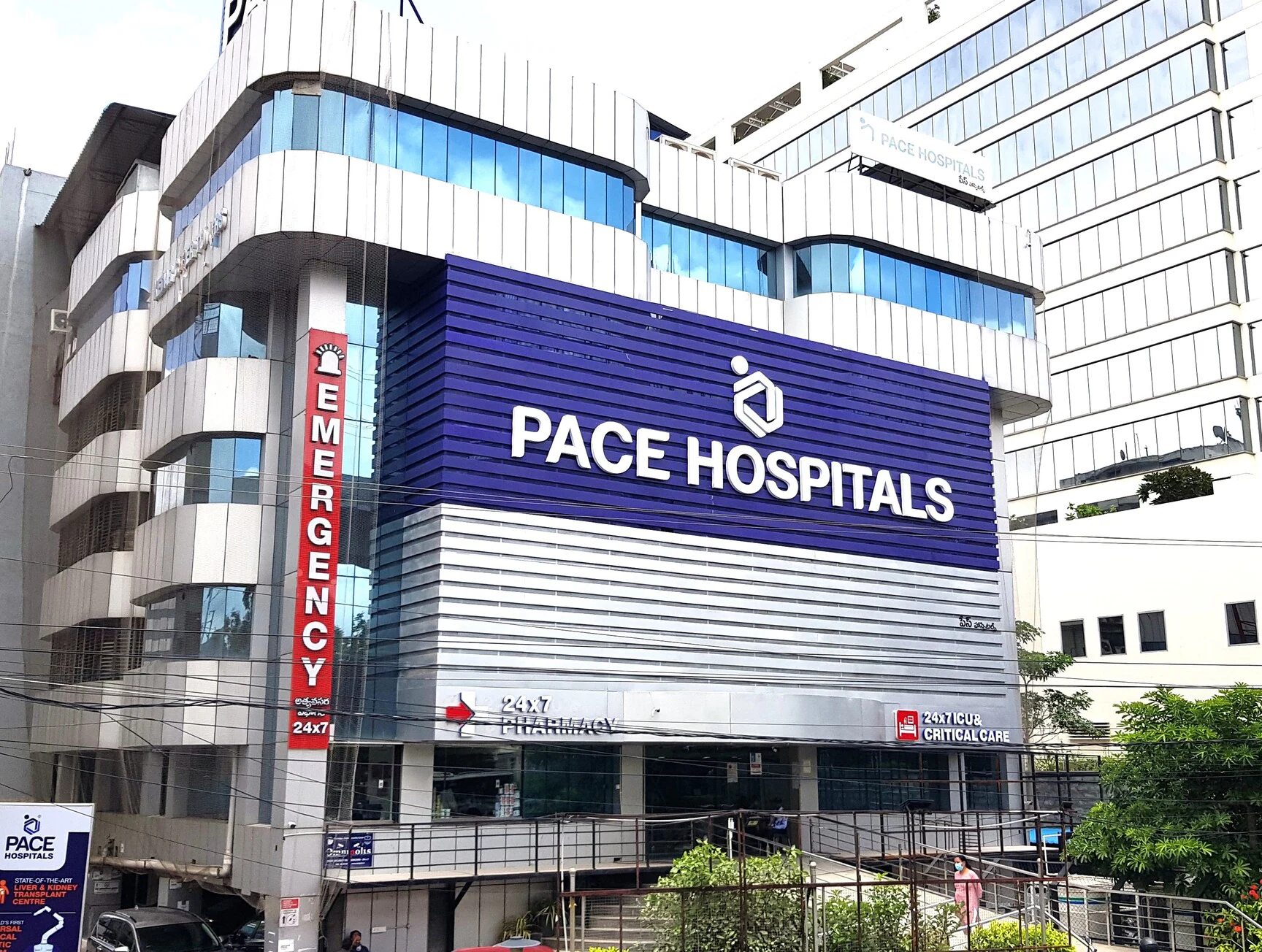
Hyderabad’s public and private hospitals are intensifying efforts to strengthen trauma care systems, with medical administrators emphasising the critical importance of the “golden hour” — the first 60 minutes after a serious injury — in improving survival outcomes across the metropolitan region.
The renewed focus comes amid rising road traffic, expanding peri-urban development and increasing emergency caseloads in one of India’s fastest-growing cities. Healthcare officials say reducing response time between injury, transport and definitive treatment has become central to urban health planning, particularly in districts witnessing rapid real estate and infrastructure growth.Trauma specialists note that timely stabilisation — including airway management, bleeding control and rapid imaging — significantly influences recovery prospects. However, effective golden hour response depends not only on hospital preparedness but also on coordinated emergency transport, road connectivity and decentralised care facilities.
Hyderabad’s expanding Outer Ring Road, new residential corridors and industrial clusters have shortened travel time in some zones while increasing accident exposure in others. Urban planners argue that as cities grow outward, trauma care must follow the same footprint. “Emergency infrastructure cannot remain concentrated in legacy city centres,” said a senior public health administrator. “It has to be mapped to growth corridors.”In recent years, select government hospitals have upgraded emergency departments with advanced life support systems, dedicated trauma bays and round-the-clock surgical teams. Private healthcare providers have also invested in high-dependency units and rapid diagnostic technologies. Yet disparities remain in access between central urban districts and peripheral municipalities.
Emergency medicine experts highlight that response time begins at the accident site. Ambulance density, trained paramedics and real-time traffic navigation systems all play a role. Hyderabad’s integration of GPS-enabled ambulance services and centralised control rooms has improved coordination, but peak-hour congestion and weather-related flooding continue to challenge rapid mobility.
The emphasis on trauma care also intersects with broader questions of urban resilience. Climate-linked extreme rainfall events can disrupt road access, while heat stress and industrial expansion introduce new health risks. Integrating resilient drainage systems, safer road engineering and stricter building codes can indirectly reduce trauma burden by preventing accidents and structural failures.Economically, improved trauma survival rates reduce long-term healthcare costs and productivity losses. Working-age adults form a significant proportion of accident victims in major metros, making trauma care an issue not only of public health but also of workforce stability.
Policy observers suggest that the next phase of urban healthcare planning will require district-level trauma registries, data-driven hotspot mapping and mandatory emergency response infrastructure in large real estate developments. Embedding trauma readiness into city master plans could prove as essential as water supply or transport connectivity.As Hyderabad positions itself as a global technology and investment hub, strengthening trauma care within the golden hour framework may become a defining benchmark of how people-centric and future-ready its urban systems truly are.