


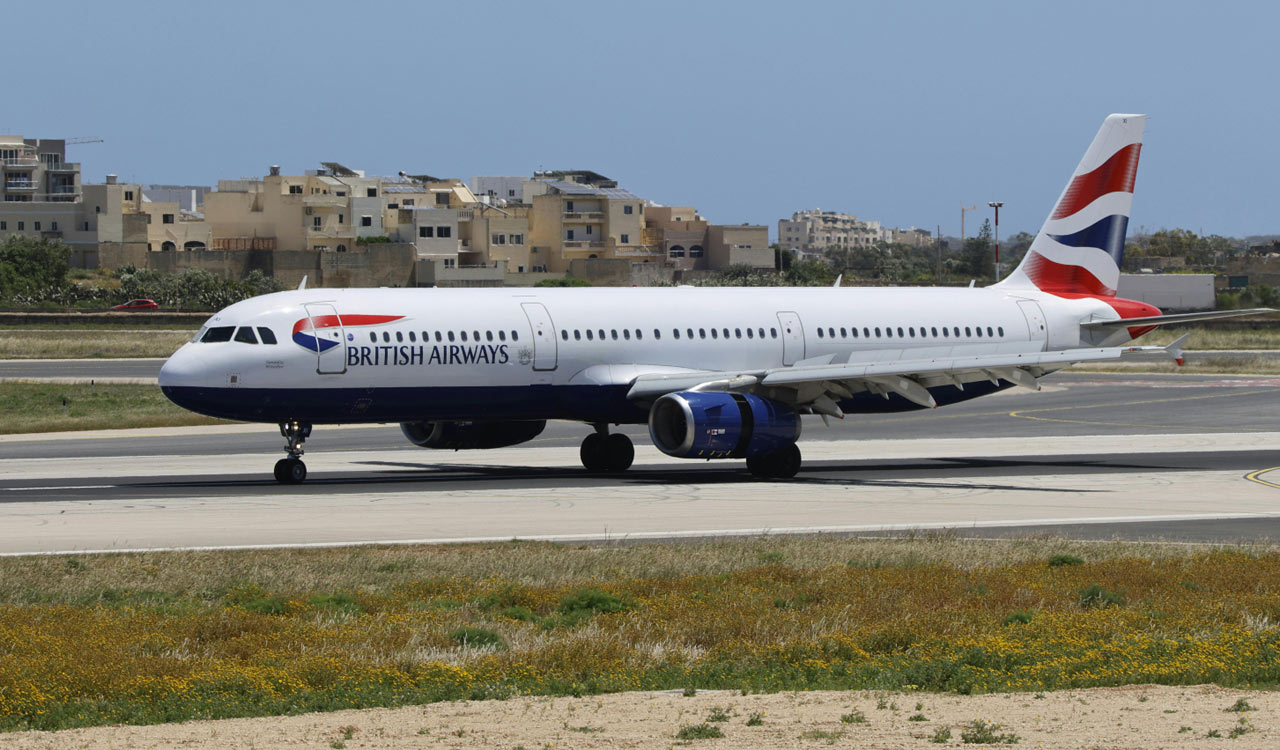
A long-haul British Airways service from London to Hyderabad was rerouted to Nagpur on Tuesday after intense rainfall and low visibility prevented a scheduled landing in Telangana’s capital, underlining the growing operational challenges extreme weather poses to urban aviation networks.
The wide-body aircraft, operating the London–Hyderabad sector, was unable to secure landing clearance as weather conditions deteriorated over the city’s primary airport zone. With visibility fluctuating and runway conditions assessed as unsafe for approach, the crew opted to divert to an alternate airport in central India. The aircraft landed safely at Nagpur, and passengers were reported to be unharmed.The British Airways flight diversion highlights the increasing vulnerability of aviation infrastructure to erratic weather patterns, particularly in rapidly expanding metropolitan regions such as Hyderabad. The city’s international airport has emerged as a critical gateway for technology, pharmaceutical and business travel, linking southern India to Europe and North America. Disruptions on such routes can ripple through supply chains, corporate travel schedules and cargo timelines.
Aviation analysts note that diversion decisions are governed by strict safety protocols related to runway visibility range, crosswinds and precipitation intensity. When these thresholds are exceeded, pilots coordinate with air traffic control to identify alternate airports with adequate runway length, fuel availability and ground handling capacity. In this case, Nagpur’s Dr Babasaheb Ambedkar International Airport served as the designated fallback, reflecting the importance of secondary cities in maintaining network resilience.Urban planners argue that weather-linked disruptions will become more frequent as climate variability intensifies. Hyderabad has witnessed episodes of heavy rainfall in recent years that have affected roads, drainage systems and airport operations. While aviation infrastructure is designed to international safety standards, sustained investment in advanced forecasting systems, improved stormwater management and runway surface technologies is increasingly seen as essential.
Airport authorities and aviation officials have, in recent years, expanded contingency planning frameworks to ensure passenger safety during diversions. This includes coordinated ground support, refuelling logistics and onward travel arrangements. Industry experts say that resilient airport ecosystems are not only about terminal capacity but also about adaptive operations that respond to sudden climate stress.For a city positioning itself as a global investment destination, uninterrupted international connectivity is a key economic asset. However, safety-driven decisions such as a British Airways flight diversion demonstrate that operational caution remains paramount, even when commercial pressures are high.
As Indian metros scale up airport capacity and pursue net-zero targets in aviation infrastructure, integrating climate adaptation into runway design, drainage engineering and air traffic systems will be critical. Tuesday’s diversion may have been routine from a safety standpoint, but it serves as a reminder that future-ready cities must build transport systems capable of withstanding increasingly unpredictable skies.
Also Read:Chennai Summer Supply Strengthened By Krishna Water
Hyderabad Storm Forces British Airways Diversion
