


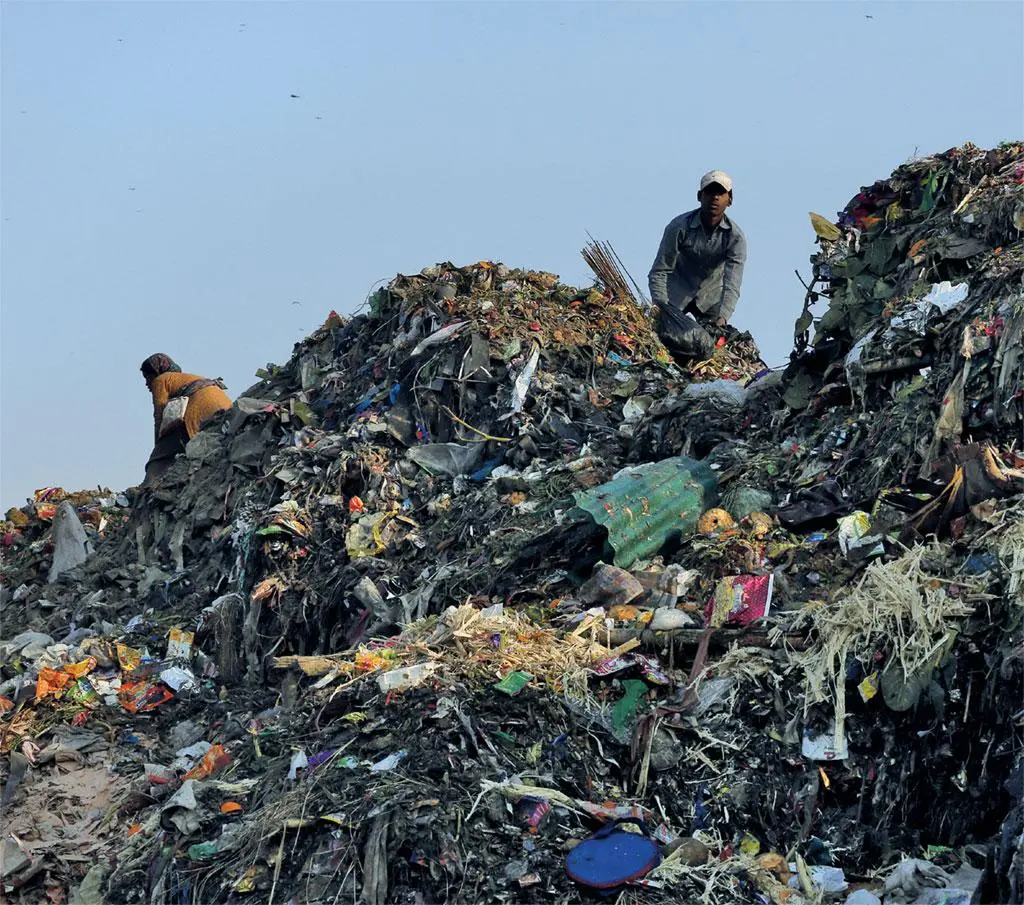
Uncollected waste is piling up across multiple neighbourhoods in Hyderabad, exposing gaps in Hyderabad solid waste management and intensifying concerns over public health, groundwater safety and urban liveability.From high-end residential districts to dense inner-city settlements, residents report irregular door-to-door collection and growing roadside dumping. The situation has been flagged in areas such as Banjara Hills, Jubilee Hills, Ameerpet, Kukatpally and parts of the Old City, suggesting the problem is not confined to a single administrative zone.
Officials within the Greater Hyderabad Municipal Corporation acknowledge operational strain. The civic body oversees nearly 5,000 colonies and depends on a fleet of small collection vehicles for daily household waste pickup. According to internal estimates, roughly a quarter of these vehicles are currently off the roads due to maintenance issues, affecting service frequency in several pockets.Urban sanitation experts note that even short interruptions in collection cycles can quickly escalate into visible accumulation in a city that generates close to 9,000 metric tonnes of municipal waste each day. Once roadside dumping begins, it often creates informal garbage points that are difficult to eliminate without consistent monitoring and enforcement.
The majority of Hyderabad’s waste is transported to the dumping yard at Jawahar Nagar, located on the city’s northern fringe. Residents living within a 10-kilometre radius have long raised concerns about odour, air quality and the potential seepage of leachate into groundwater. Environmental planners warn that unmanaged landfill expansion increases methane emissions, undermining climate mitigation goals.The civic administration has previously announced the removal of over 2,500 identified garbage vulnerable points. However, urban policy analysts argue that eliminating informal dumping spots without parallel investment in decentralised waste processing, segregation enforcement and composting infrastructure can displace rather than solve the issue.
Public health specialists caution that stagnant waste attracts disease vectors and raises the risk of respiratory and water-borne illnesses, particularly in lower-income settlements with limited sanitation buffers. For a fast-growing metropolis positioning itself as an investment and technology hub, sanitation reliability is directly linked to economic competitiveness and quality of life.Hyderabad solid waste management also intersects with climate resilience. Landfills contribute significantly to urban greenhouse gas emissions, while poor segregation reduces the recovery of recyclable material that could support circular economy enterprises and green jobs.
With recent administrative restructuring across municipal jurisdictions in the metropolitan region, residents are expecting tighter field supervision, improved vehicle uptime and better data-driven monitoring of collection routes.As Hyderabad expands outward, the sustainability of its waste system will depend on strengthening decentralised processing, increasing fleet efficiency and restoring public trust in everyday civic services. Without systemic reform, episodic clean-up drives may offer temporary relief but fall short of delivering a resilient, zero-waste urban model.
Also Read:Pune Metro Infrastructure Upgrades Aim For Smoother Transit
Hyderabad Solid Waste Management Faces Strain
