


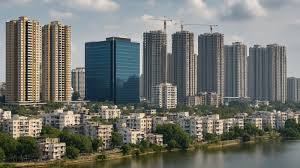
Hyderabad is increasingly positioning itself as a prime destination for non-resident Indians (NRIs) looking to invest in India’s real estate market, driven by robust economic growth, expanding infrastructure, and transparent investment frameworks. A series of international investor engagement initiatives hosted by Hyderabad-based developers has provided NRIs with direct insights into legal, financial, and market dynamics, underscoring the city’s appeal as both a residential and commercial investment hub.
The developer-led international forums spanned locations across Europe, the Middle East, and North America, enabling potential investors to engage directly with leadership teams. Industry analysts suggest that this level of executive engagement helps demystify complex processes such as property registration, financing, taxation, and regulatory compliance, which have historically deterred global investors. Such initiatives also serve as a confidence-building mechanism, signalling a commitment to transparency and investor education. Hyderabad’s real estate market fundamentals continue to support strong investment returns. The city has witnessed rapid office space absorption, with major global corporations expanding their footprint in technology, pharmaceuticals, and aerospace sectors. Recent reports indicate that Q1 2025 saw over four million square feet of commercial leasing, reflecting heightened demand for modern office infrastructure. Suburban areas in the Financial District, including Kokapet, Tellapur, and Gachibowli, have experienced 8-12% annual price appreciation, reinforcing confidence in both commercial and residential segments.
Transport infrastructure and urban connectivity are key drivers for Hyderabad’s market attractiveness. Projects such as the Outer Ring Road, Regional Ring Road, and metro network expansions have improved travel efficiency, reducing commute times compared to other major metros. Hyderabad International Airport, ranked among the world’s most efficient, further enhances the city’s accessibility, strengthening its position as a viable location for global investment. Urban planners note that well-planned connectivity and lower congestion contribute directly to sustainable, high-quality urban living, making the city more appealing for long-term investors and residents alike. Non-resident investors continue to play a significant role in the city’s growth trajectory. Knight Frank data suggest NRI real estate investments in India grew by 35% in FY24 and are projected to reach USD 14 billion by 2025, with Hyderabad remaining a preferred destination due to capital appreciation potential, lifestyle factors, and business-friendly policies. Experts highlight that NRIs now represent approximately 20% of total real estate investment in India, and Hyderabad’s balance of commercial and residential opportunities, combined with transparent engagement practices, positions the city for continued inflows.
Looking ahead, Hyderabad’s real estate ecosystem is expected to maintain momentum, supported by consistent infrastructure upgrades, rising economic activity, and targeted investor engagement. By bridging global investor awareness with local market intelligence, the city is not only attracting capital but also fostering inclusive, knowledge-driven investment that can contribute to long-term, climate-resilient urban growth.
Also Read: Mumbai Eyes Private Firm For Monorail Operations
Hyderabad Sees Rising NRI Property Investment Momentum
