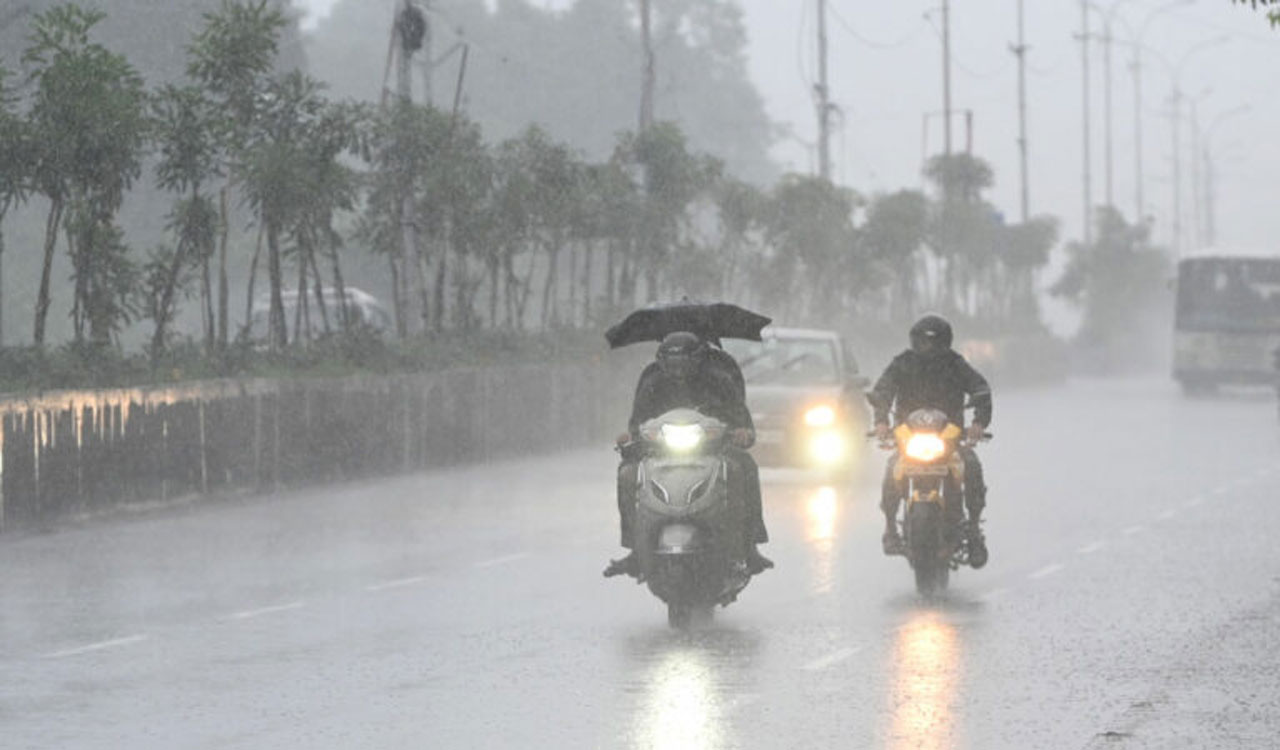
The city experienced a transition from drizzle to light-heavy rainfall in various parts on Thursday afternoon, marking a significant turn in the monsoon season. This precipitation is crucial for replenishing the region’s water resources, a vital component of sustainable urban development. While the Meteorological Centre Hyderabad forecasts continued light to moderate rain, the current downpour is a timely boost for the city’s water security, particularly as the Hussain Sagar lake approaches its full tank level, underscoring the delicate balance between urban infrastructure and natural cycles.
The Meteorological Centre Hyderabad’s update indicated that light spells of up to 1 cm per hour were expected across the Greater Hyderabad Municipal Corporation (GHMC) area. While the intensity varied, with areas around Jubilee Hills experiencing relatively heavier rainfall, the highest recorded precipitation within GHMC limits until late afternoon was 10.3 mm in the Secunderabad circle. Such localised yet significant rainfall patterns highlight the need for decentralised water management and robust drainage systems to prevent waterlogging and ensure equitable access to urban spaces.
The forecast for Friday anticipates light to moderate rain or thundershowers, potentially accompanied by gusty winds of 30-40 kmph. This weather outlook necessitates continued vigilance from urban planning authorities to ensure that the city’s infrastructure can effectively manage increased water flow and wind conditions. Proactive measures in maintaining drainage systems and ensuring the stability of public utilities are paramount for safeguarding citizens and minimising disruptions to daily life, particularly for commuters and those in low-lying areas.
A critical indicator of the monsoon’s impact on Hyderabad’s water resilience is the rising level of Hussain Sagar. The lake’s water level reached +513.18 metres, remarkably close to its Full Tank Level (FTL) of +513.41 metres. This near-capacity status is a positive development for the city’s water supply, reducing the reliance on external sources and contributing to a more self-sufficient and eco-friendly urban ecosystem. Adequate water reserves are fundamental for supporting a growing population and ensuring the long-term sustainability of the city.
The monsoon’s arrival, while bringing essential water, also tests the city’s preparedness and infrastructure. The ability of Hyderabad to manage rainfall effectively, from preventing widespread waterlogging to ensuring the health of its water bodies, is crucial for its trajectory towards becoming a truly smart and sustainable city. By embracing climate-resilient urban planning and investing in green infrastructure, Hyderabad can continue to enhance its capacity to thrive amidst changing weather patterns, ensuring a healthy and equitable environment for all its inhabitants.
Also Read :Deoria suffers severe drought in eastern Uttar Pradesh as monsoon collapses, receiving just 6.5 percent of normal rainfall.
Hyderabad Records July 24 Drizzle Turning to Moderate Rain