


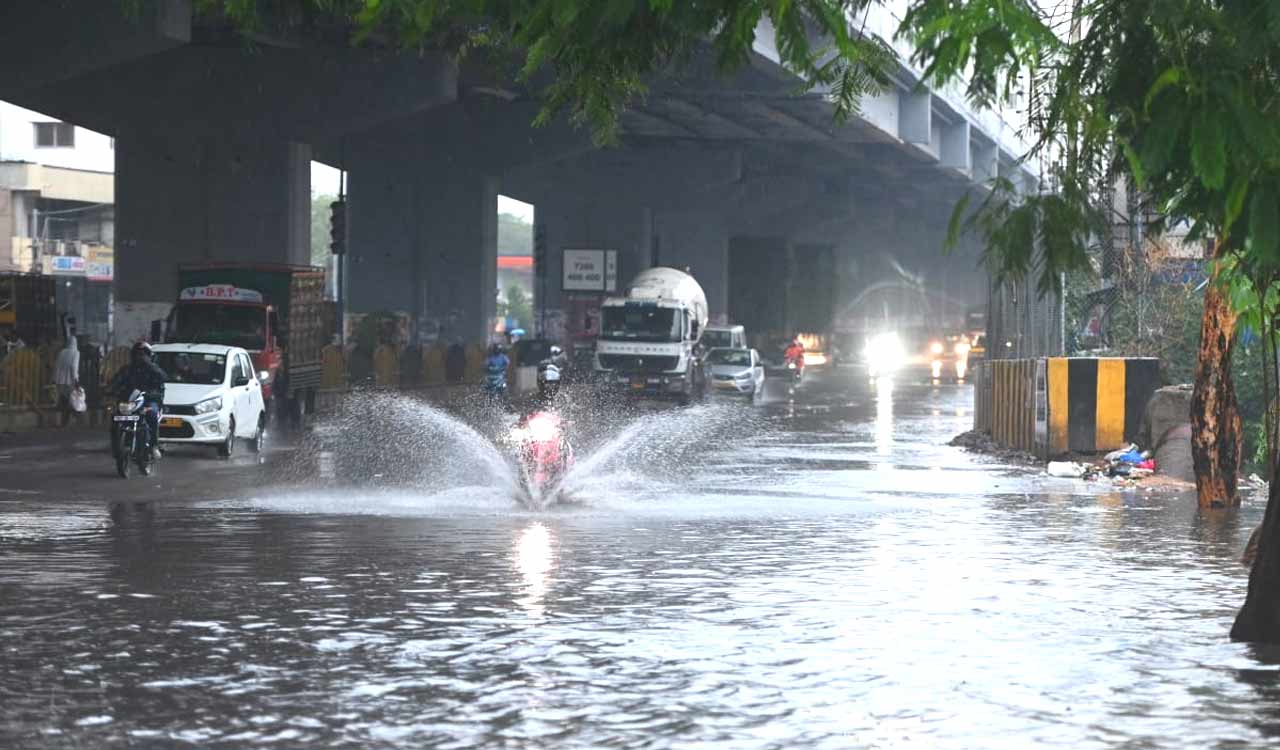
As the monsoon draws near, Hyderabad has intensified efforts to ensure seamless water and sanitation services across the city.
In a strategic review meeting at the Hyderabad Metropolitan Water Supply and Sewerage Board (HMWSSB), the state administration underscored the importance of timely interventions to safeguard public health and urban resilience during the rainy season. A 90-day action plan, launched earlier without any additional budgetary allocation, was reviewed for its impact on city infrastructure. The Water Board reported a notable 30 percent drop in sewage overflow complaints, indicating improved operational efficiency. The review highlighted how data-driven maintenance and decentralised management are now being leveraged to manage the urban water system more sustainably.
Particular focus was given to 146 identified water-logging hotspots across Hyderabad. City officials were directed to stay alert and pre-emptively resolve potential bottlenecks, especially in low-lying areas prone to flooding. The sanitation and drinking water systems, critical during heavy rainfall, are being reinforced through both infrastructure upgrades and operational reforms. The review also brought to light a major policy push—rainwater harvesting. Despite more than 40,000 residents depending on water tankers during the peak of last summer, many properties reportedly lack harvesting pits. Notices have already been sent to over 16,000 such properties, with authorities stressing compliance for all plots above 300 square yards. The move aligns with Hyderabad’s broader objective of groundwater recharge and long-term water sustainability.
While appreciating current gains, the government also directed the Water Board to boost internal revenue generation. This includes reducing systemic leakage, tackling water theft, and eliminating illegal connections. With state support, the Water Board aims to become financially self-reliant, cutting back its dependency on public funds. Looking ahead, Hyderabad is investing heavily in expanding its water infrastructure. The city is advancing Phase 2 and Phase 3 of the Godavari Water Project together valued at ₹7,000 crore which will secure its long-term drinking water supply. In tandem, the construction of 39 new Sewage Treatment Plants is underway, reinforcing the city’s push for holistic wastewater management.
The Water Board’s progress reflects a shift in urban governance, where resilience and sustainability are central themes. Integrated planning, policy enforcement, and citizen accountability now shape Hyderabad’s approach to environmental stewardship. However, urban experts caution that such transformation demands community participation and long-term institutional support. With these measures, Hyderabad hopes to mitigate the worst impacts of the monsoon while setting a blueprint for other Indian metros grappling with climate-induced challenges. If implemented effectively, this monsoon-readiness drive could mark a turning point in the city’s pursuit of equitable, eco-conscious urban living.
Also Read :Bengaluru clears drain blocks to stop flooding before monsoon rains
