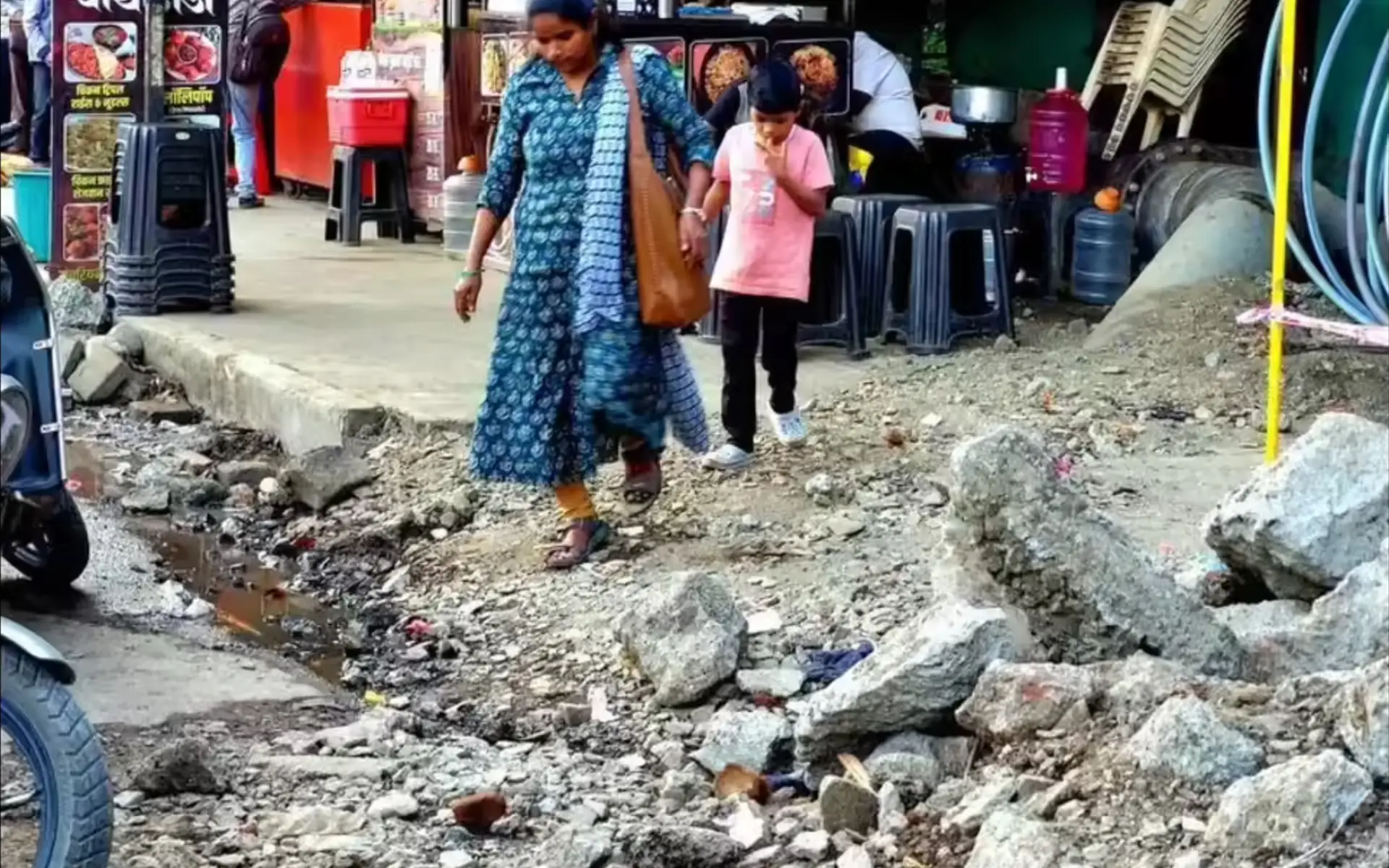
Hyderabad Pedestrian Space Drive Targets Encroachments
Hyderabad has launched a citywide enforcement drive to reclaim pedestrian spaces, with civic authorities targeting encroachments on footpaths, roads, and drainage corridors to restore walkability and improve urban mobility. The initiative, led by the Greater Hyderabad Municipal Corporation (GHMC), comes amid increasing concerns over pedestrian safety and the usability of public spaces in one of India’s fastest-growing cities.
The campaign is being implemented in a phased manner, with one administrative circle taken up each week across different zones. In early enforcement actions, hundreds of encroachments—including both permanent and temporary structures—have already been cleared, signalling a renewed push towards reclaiming public right-of-way. The move follows judicial directives that emphasised the need to restore footpaths within a defined timeframe and ensure continuous monitoring. Authorities have been tasked with not only removing encroachments but also preventing their reappearance, a challenge that has historically limited the long-term success of similar drives. At the centre of this effort is the evolving Hyderabad pedestrian infrastructure agenda, where reclaiming footpaths is increasingly seen as essential to building inclusive and safe urban environments. Civic officials are coordinating across departments—engineering, sanitation, and enforcement—to ensure that cleared spaces are rehabilitated and maintained, rather than left vulnerable to reoccupation.
The initiative also includes repairing damaged walkways and redesigning pedestrian pathways, reflecting a shift from episodic demolition drives to more structured urban management. Experts note that simply removing encroachments is insufficient unless supported by durable infrastructure and enforcement mechanisms.The Hyderabad pedestrian infrastructure challenge is rooted in long-standing urban pressures. Rapid population growth, informal vending, and unregulated parking have gradually eroded pedestrian spaces across the city. In many areas, residents are forced to walk on roads alongside fast-moving traffic, increasing accident risks and reducing accessibility, particularly for the elderly and children. From an urban planning perspective, reclaiming footpaths is closely linked to broader goals of sustainable mobility. Walkable streets reduce dependence on motorised transport, improve air quality, and enhance the overall liveability of cities. As Hyderabad continues to expand its infrastructure footprint—including road upgrades and transit systems—ensuring last-mile pedestrian access is becoming increasingly critical.However, the drive also raises questions around balancing enforcement with livelihoods. Street vendors and small businesses often rely on informal use of public spaces, making it necessary for authorities to consider designated vending zones and alternative arrangements to avoid economic disruption.
Urban experts suggest that long-term success will depend on consistent enforcement, clear zoning policies, and community engagement. Without these, reclaimed spaces risk being re-encroached, undermining the impact of the initiative.Looking ahead, the city’s ability to sustain this effort will be crucial. As Hyderabad positions itself as a modern, infrastructure-led urban centre, strengthening pedestrian infrastructure will play a key role in shaping inclusive, people-first growth. Ensuring that public spaces remain accessible and safe could redefine how the city balances mobility, commerce, and quality of life.