


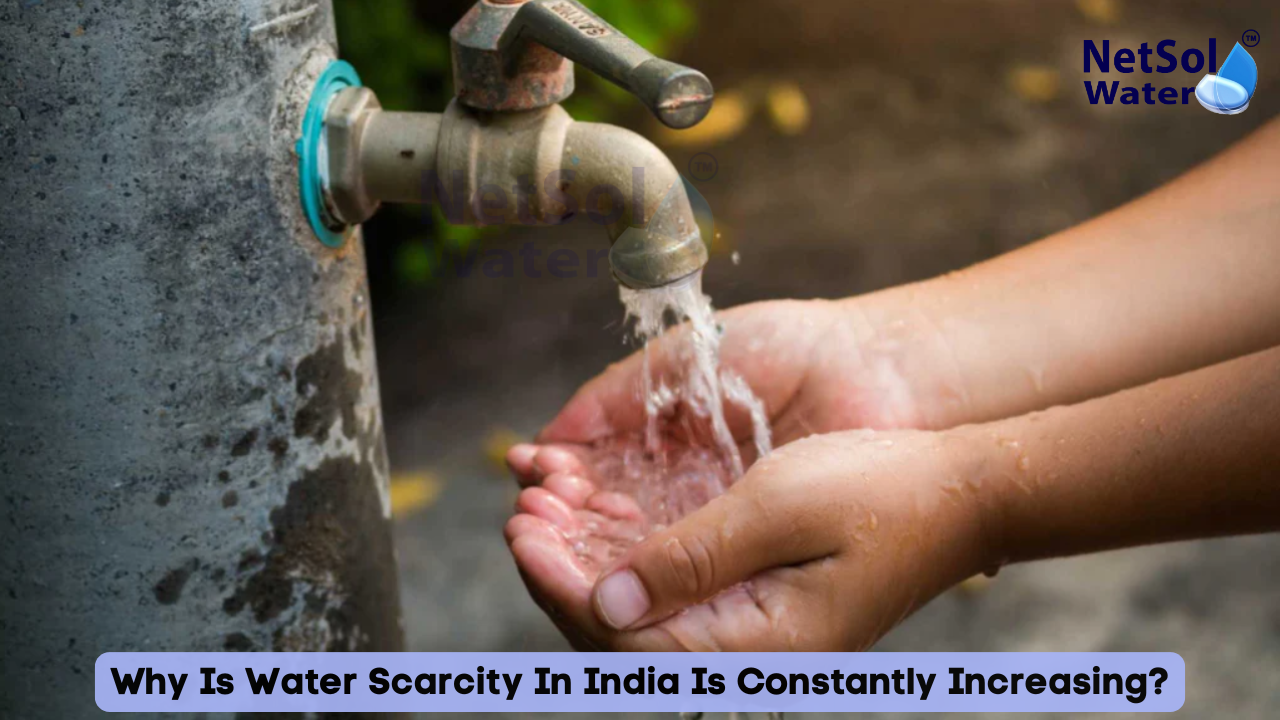
Greater Hyderabad’s newly established municipal entities — formed out of years of civic restructuring — are confronting an unexpected environmental challenge: rapidly falling groundwater levels that threaten sustainable urban growth and long-term water security.Data from the Telangana Core Urban Region’s groundwater monitoring indicates that areas now under the Malkajgiri Municipal Corporation and Cyberabad Municipal Corporation have recorded significant dips in aquifer levels, with water tables dropping to depths between 11 and 14 metres below ground. Officials tracking these trends say this pattern suggests urban expansion is outpacing natural replenishment, raising alarms about future access to potable water across the region.
The issue is particularly acute in localities including Medipally, Alwal, Kukatpally and Rajendranagar — sectors witnessing intense construction and demographic growth. Urban planners point out that these zones, developed on the periphery of the former Greater Hyderabad Municipal Corporation (GHMC), now operate under distinct administrative jurisdictions, complicating coordinated resource management.“Urban sprawl without recharge infrastructure is reshaping the subsurface water balance,” comments a senior hydrology expert in Hyderabad. “As built-up areas replace open soils, rainwater has fewer pathways to percolate. Unless recharge pits and regulatory mechanisms are systematically integrated, declining water tables will become chronic.” Such expert analysis reflects broader concerns that infrastructural development, if not climate-responsive, can accelerate environmental stress in megaregions.
Municipal administrators concede the challenge but emphasise that current governance structures are still being aligned to address sustainability issues effectively. Since the reorganisation of urban bodies — which saw GHMC’s erstwhile jurisdiction carved into three separate civic corporations — coordination on water resource management has been evolving. Inter-agency frameworks on groundwater governance are said to be in early discussion phases among metropolitan agencies.For residents, the creeping drop in water levels translates into tangible livelihood pressures — deeper borewells, increasing extraction costs, and heightened dependence on tanker supplies in summer months. Small businesses and low-income households, especially in peripheral neighbourhoods, are disproportionately exposed to these costs, reinforcing urban equity concerns.
Urban economists note that groundwater depletion also intersects with real estate markets. Zones with reliable water access typically sustain higher property values; conversely, civic bodies struggling with basic utilities may see investor confidence dampen over time. “Water security is now a core determinant for sustainable value in city economies,” says a regional planning analyst.Policy advocates urge urgent mainstreaming of rainwater harvesting, zoning reforms to protect recharge areas, and stronger enforcement of groundwater regulation laws. With monsoon patterns becoming increasingly erratic under climate change, proactive strategies to restore groundwater are no longer optional but central to Hyderabad’s future urban resilience.
Also Read:Maharashtra Real Estate Tribunal Reasserts Regulatory Oversight
Hyderabad municipal zones face critical water drop
