


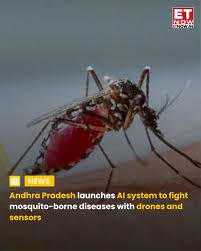
Hyderabad is facing an unusually severe mosquito surge in the middle of winter, triggering widespread concern over public health preparedness and the effectiveness of civic pest-control systems. Across residential colonies, informal settlements and commercial areas, residents report being forced indoors during evening hours, a pattern more commonly associated with monsoon months. The outbreak has renewed scrutiny of how India’s fast-growing cities manage environmental health risks amid expanding urban footprints.
Urban health specialists point to stagnant water bodies and inadequate ecological management as key contributors to the current mosquito surge. Several lakes within the metropolitan area are choked with invasive aquatic plants, creating ideal breeding conditions. While civic agencies allocate significant annual budgets for lake maintenance and vector control, outcomes on the ground have remained inconsistent, raising questions about operational efficiency rather than funding levels alone.The issue has gained urgency following recent enforcement actions that brought attention to irregularities in the execution of lake-cleaning contracts. Industry observers say such governance lapses can have cascading effects, delaying routine maintenance and weakening early intervention systems. In dense urban environments, even short disruptions in vector-control cycles can lead to rapid population spikes of disease-carrying insects.
Residents across multiple zones say the current situation is unprecedented for February, a period typically marked by lower humidity and reduced mosquito activity. The sustained presence of mosquitoes has begun to affect daily routines, local businesses and outdoor labour, particularly impacting children, older adults and informal workers who have limited ability to avoid exposure. Health practitioners warn that prolonged mosquito prevalence outside peak seasons complicates disease surveillance, as early symptoms of vector-borne illnesses may go unnoticed.Civic authorities maintain that intensified sanitation drives are under way, including waste clearance, drain desilting and selective fogging. However, urban planners note that fogging alone offers temporary relief and must be supported by long-term ecological solutions such as lake restoration, improved stormwater management and neighbourhood-level source reduction. Without these measures, chemical interventions risk becoming repetitive and less effective over time.
Official data shows that Hyderabad’s vector-control apparatus includes thousands of field staff and extensive equipment, with annual expenditure running into several tens of crores. Public health economists argue that the challenge lies in aligning spending with measurable outcomes, especially in a city where rapid real estate development has altered natural drainage patterns and increased impermeable surfaces.From a broader urban resilience perspective, the mosquito surge underscores the intersection between climate variability, land-use planning and public health governance. Warmer winters and erratic rainfall are extending breeding seasons, placing additional stress on municipal systems designed around older climate norms. As Hyderabad continues to expand, integrating environmental health into urban planning will be critical to sustaining liveability and economic productivity.
In the near term, experts say transparent monitoring of control programmes and timely restoration of water bodies will be essential to restore public confidence. Over the longer horizon, the episode serves as a reminder that climate-resilient cities are built not only through major infrastructure projects, but also through consistent, accountable management of everyday urban ecosystems.
Also Read:Kochi Court Rebukes Civic Body On Urban Safety
Hyderabad Mosquito Surge Exposes Civic Health Gaps
