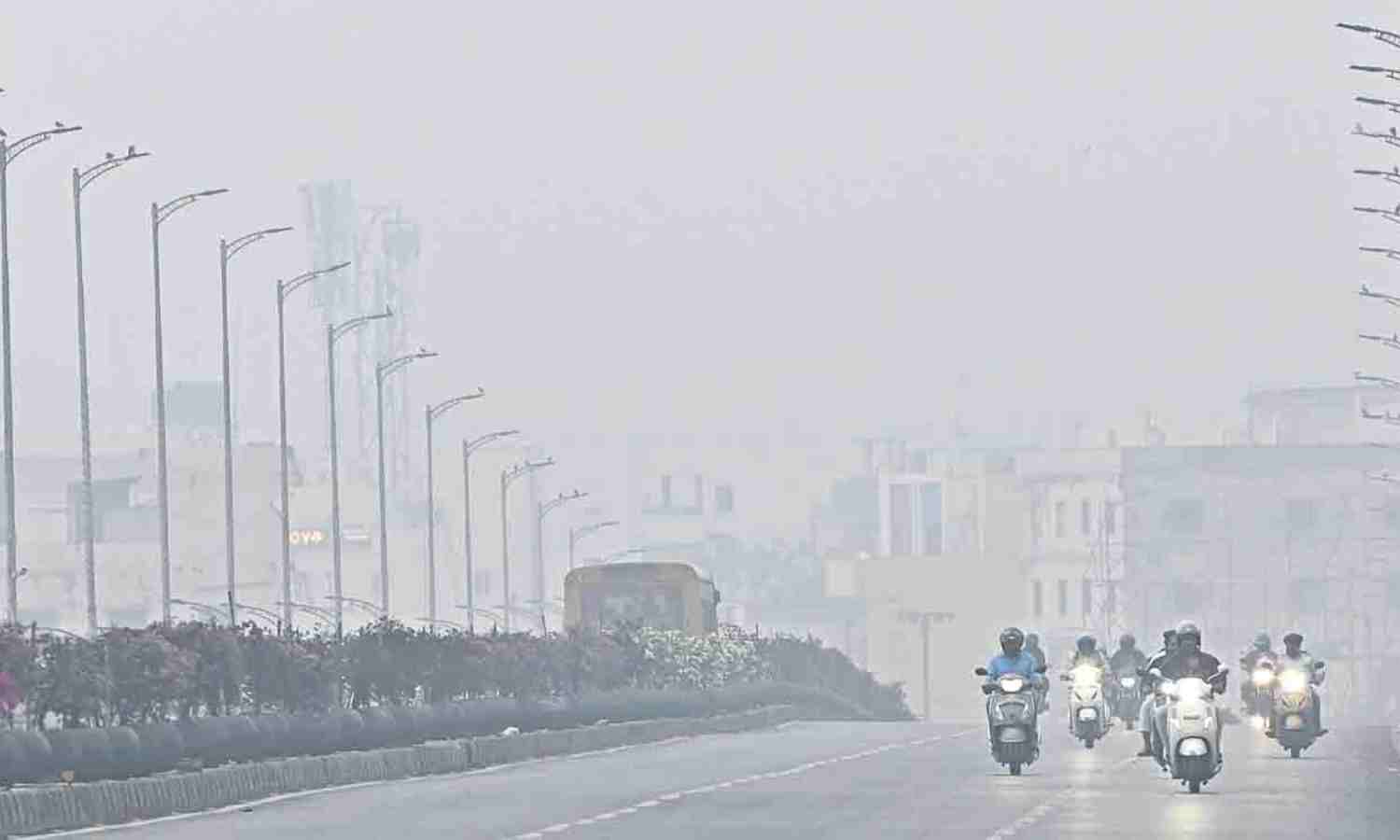
Hyderabad experienced a distinctly cool winter morning on Friday, with temperatures dipping to around 15 degrees Celsius and daytime highs remaining moderate, signalling a continuation of January’s mild but noticeable chill. While the conditions posed no immediate weather threat, the shift carries broader implications for how the city’s residents, infrastructure systems and public services respond to seasonal variability.
Meteorological data indicates that the city began the day under clear to partly cloudy skies, with sunshine emerging intermittently through the afternoon. The absence of rainfall has provided relief for traffic movement and construction activity, yet the cooler air has lingered through the morning and evening, altering daily routines across neighbourhoods. Urban planners note that even modest temperature changes in tropical cities can have outsized effects on energy use, mobility patterns and public health.
For Hyderabad, where winter is typically short and mild, the current spell has reinforced the importance of climate-responsive urban design. Residential buildings with limited insulation and informal housing clusters are often more vulnerable to temperature swings, particularly during early morning hours. Public health experts point out that cooler conditions can exacerbate respiratory discomfort among children and older residents, underlining the need for accessible healthcare and community-level awareness.
The weather has also influenced the city’s energy demand profile. Cooler mornings tend to reduce cooling loads but increase electricity use for heating appliances, especially in mixed-income neighbourhoods. Distribution companies track such shifts closely, as short-term changes can stress local grids if not anticipated. Analysts say Hyderabad’s experience reflects a growing need for flexible, low-carbon energy systems that can adapt to seasonal fluctuations without increasing emissions.
From an urban economy perspective, the pleasant daytime conditions have supported outdoor commerce, informal markets and pedestrian movement, particularly in heritage precincts and business districts. Hospitality and retail operators report steadier footfall during mild afternoons, while early mornings see slower starts. Transport planners observe that comfortable weather often encourages walking and cycling, highlighting opportunities to promote non-motorised transport when conditions allow.
Wind patterns have contributed to the cool feel, with steady easterly breezes reducing air stagnation. Environmental specialists say such circulation helps disperse local pollutants, temporarily improving air quality. However, they caution that seasonal comfort should not distract from long-term climate resilience planning, especially as variability in winter temperatures has increased over the past decade.Looking ahead, forecasts suggest that the cool conditions will persist in the near term without extreme cold or rainfall. City agencies are expected to continue routine monitoring rather than emergency measures.
For residents, the focus remains on adjusting daily schedules and safeguarding vulnerable family members during cooler hours. As Hyderabad continues to expand, episodes like this underline the value of integrating climate-sensitive planning into housing, transport and public services. Mild winter days may seem routine, but they offer a window into how cities can adapt gracefully to changing climatic patterns while improving everyday urban life.
Hyderabad mild winter tests city infrastructure readiness