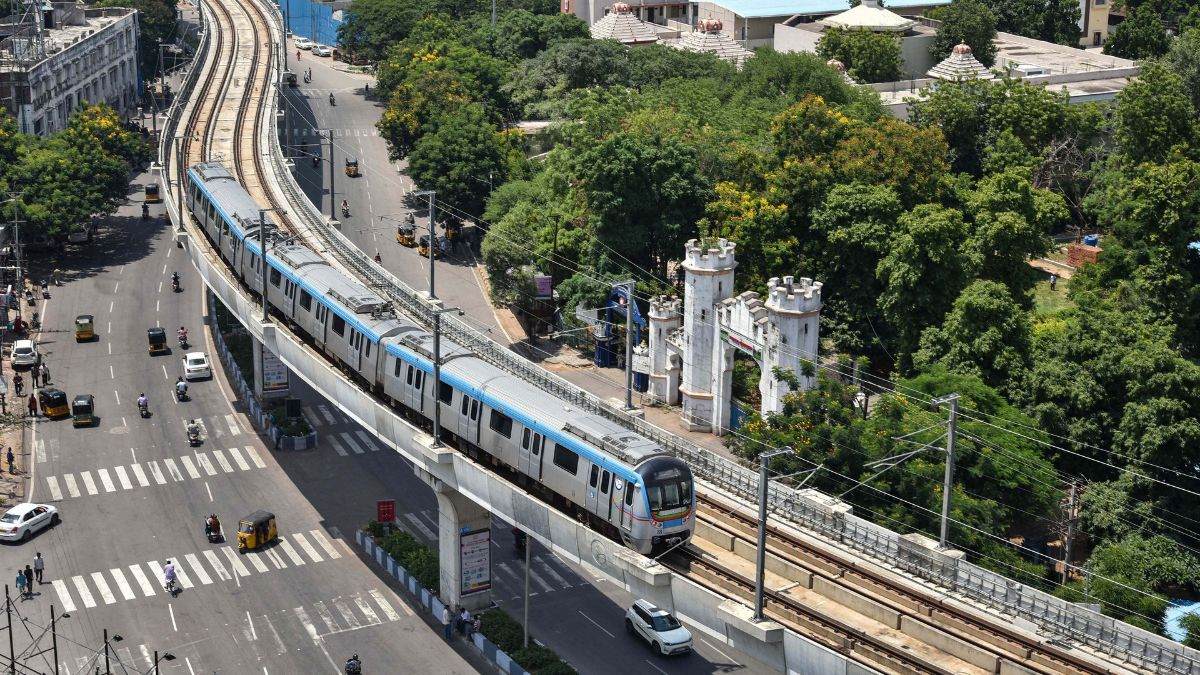
Hyderabad Metro Phase 2 Begins Crucial Utility Mapping in Old City for Sustainable Expansion
Hyderabad’s ambitious Metro Rail Project is advancing into its crucial second phase, with Hyderabad Airport Metro Limited (HAML) commencing underground utility mapping for Corridor 6. This vital 7.5-kilometre extension of the existing Green Line, connecting MGBS to Chandrayangutta in the historically rich Old City, signifies a pivotal step towards modernising urban mobility while meticulously preserving the city’s heritage. The methodical approach, leveraging advanced technology, aims to ensure minimal disruption to existing infrastructure and pave the way for a sustainable, gender-neutral, and equitable urban transport network.
The utility survey, a fundamental precursor to any major infrastructure development, involves both road-cutting and non-destructive probing at proposed station sites. This dual methodology is crucial for precisely identifying and mapping the labyrinthine network of underground utilities, including water pipelines, drainage systems, electricity cables, and telecommunication lines. The 7.5-kilometre corridor, which traces the historic Mir Alam Mandi Road, will feature key station stops at iconic locations such as Salarjung Museum, Charminar, Shalibanda, Aliabad, Falaknuma, and Chandrayangutta. While these names hold immense cultural significance, the metro alignment has been meticulously designed to maintain a 500-metre buffer from sensitive heritage structures like the Salarjung Museum and Charminar, demonstrating a commitment to safeguarding the city’s invaluable past.
HAML intends to engage a specialised contractor to execute the utility probing along the stretch from Darulshifa to Chandrayangutta. Once appointed, this contractor will have a concentrated 30-day window to complete the intricate task. The survey will employ state-of-the-art ground-penetrating radar (GPR technology), capable of mapping subterranean utilities at depths of five to six metres. This non-invasive technology is indispensable for providing a precise subterranean map, significantly reducing the risk of accidental damage to essential services during the construction phase. Such foresight is paramount in dense urban environments like the Old City, where undocumented utilities can often lead to costly delays and disruptions.
The meticulous data gathered from this utility mapping is instrumental in facilitating the seamless execution of the metro work. By gaining a comprehensive understanding of the underground landscape, HAML aims to minimise interference with existing infrastructure, thereby ensuring continuity of essential services for residents and businesses. This proactive planning is a testament to modern urban development principles, where detailed preliminary surveys are prioritised to mitigate unforeseen challenges and ensure project efficiency. Approximately 1,100 properties are anticipated to be impacted by road widening and metro works, alongside 103 identified religious and heritage structures. Officials have affirmed that design adjustments, including modifications to Metro pillar locations, are being made to protect these sensitive sites.
The expansion of Hyderabad Metro into the Old City is more than just an infrastructure project; it is a catalyst for urban rejuvenation and sustainable development. By providing efficient, eco-friendly public transport, the metro aims to reduce traffic congestion and air pollution, contributing to a cleaner, healthier urban environment. This enhanced connectivity will not only improve daily commutes for thousands but also spur economic activity, enhance accessibility to cultural landmarks, and foster a more integrated and equitable urban landscape for all citizens. The careful consideration for heritage preservation alongside modern development sets a benchmark for future urban projects, demonstrating how cities can grow sustainably while honouring their past.