


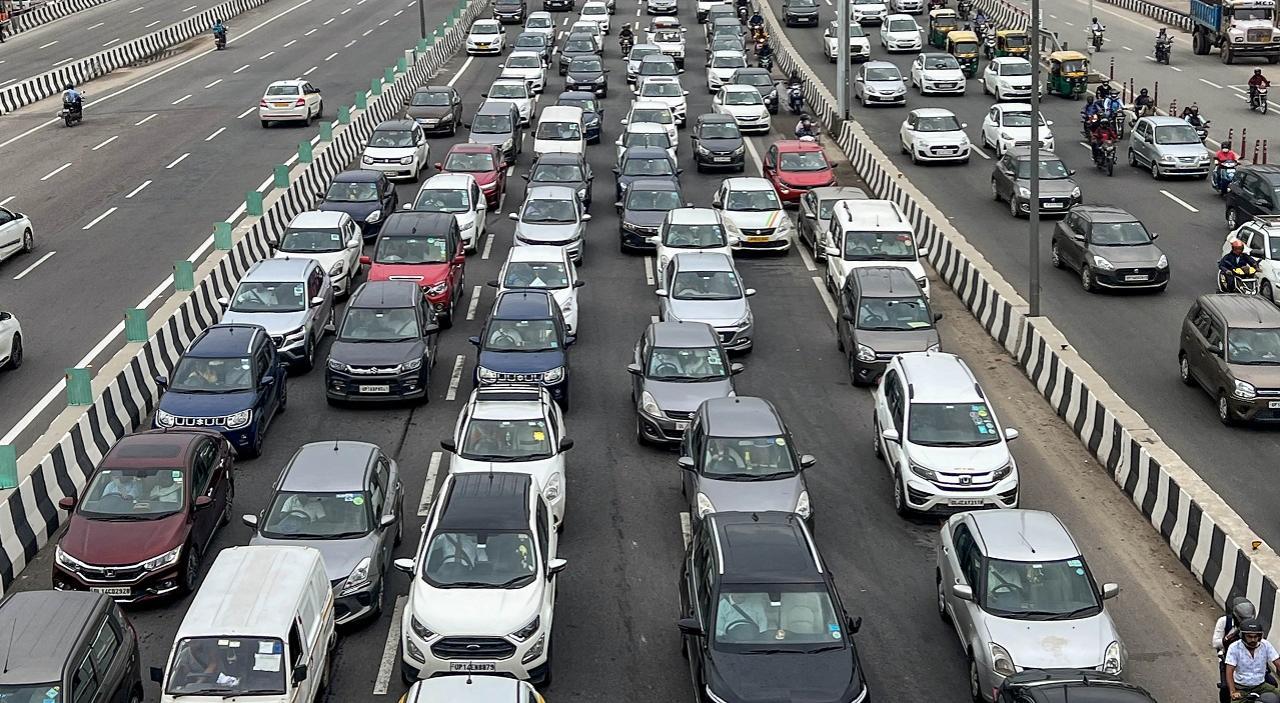
Hyderabad’s traffic units, in collaboration with the State Transport Department, are preparing a large-scale crackdown to ensure that every vehicle carries a High‑Security Registration Plate (HSRP), aiming to close longstanding enforcement gaps and enhance road safety. The crackdown, enabled under the Motor Vehicles Act, addresses sporadic prior efforts amid heavy non-compliance.
Officials plan a coordinated campaign with clear targets and timelines. Priority will be given to ensuring government vehicles are fitted first, setting a compliance benchmark for all vehicle categories. Data from Cyberabad police reveals a high volume of plate-related violations in early 2025: 32,448 offences, including over 15,000 for irregular plates, 5,755 for erased characters, 5,431 for “fancy plates”, 5,244 for unregistered vehicles, and 872 cases involving tampered plates . These figures highlight widespread disregard for number‑plate norms, posing serious challenges for automated traffic enforcement systems like ANPR cameras.
Despite national mandates, Telangana is lagging in compliance. The Supreme Court ordered states to report on HSRP implementation and enforcement by 30 June 2025—but Telangana’s data has not been submitted, according to industry sources . Experts cite delayed issuance of directives for older vehicles and public unawareness as key obstacles HSRPs offer essential benefits: tamper‑proof snap locks, laser‑etched serial numbers and integration with the Vahan database significantly enhance vehicle traceability, support theft prevention, and enable accurate automated challans Their mandatory use aligns with zero‑carbon, sustainable, and equitable city objectives, enabling better regulation and safer urban environments.
Telangana has set 30 September 2025 as the deadline for compliance for all vehicles registered before April 2019. After that date, enforcement teams will not only issue fines but also flag violations during vital transactions like licence renewals or PUC certification. Fines are capped at Rs 200 per offence. As Hyderabad positions itself as a modern, gender‑neutral, and technologically driven city, effective rollout of HSRP compliance is critical. Official-tight coordination between transport and police authorities, backed by clear deadlines, is essential to bridge the gap between policy and practice. Yet, challenges remain: procedural complexities, lack of public awareness, and potential resistance from vehicle owners could undermine enforcement goals.
The success of this enforcement effort depends on equitable, transparent, and educational approaches. Clear communication, ease of access to HSRP services, and avoidance of harassment will determine whether the drive enhances compliance or breeds public disillusionment. At a time when automated surveillance and urban analytics underpin sustainable city planning, functional vehicle identification systems like HSRP are fundamental. Hyderabad’s crackdown, if implemented thoughtfully, could not only improve road safety but also reinforce civic trust in equitable, eco‑friendly governance.
Also Read :Servotech MoU with NPCL Expands EV Charging Infrastructure in Noida
