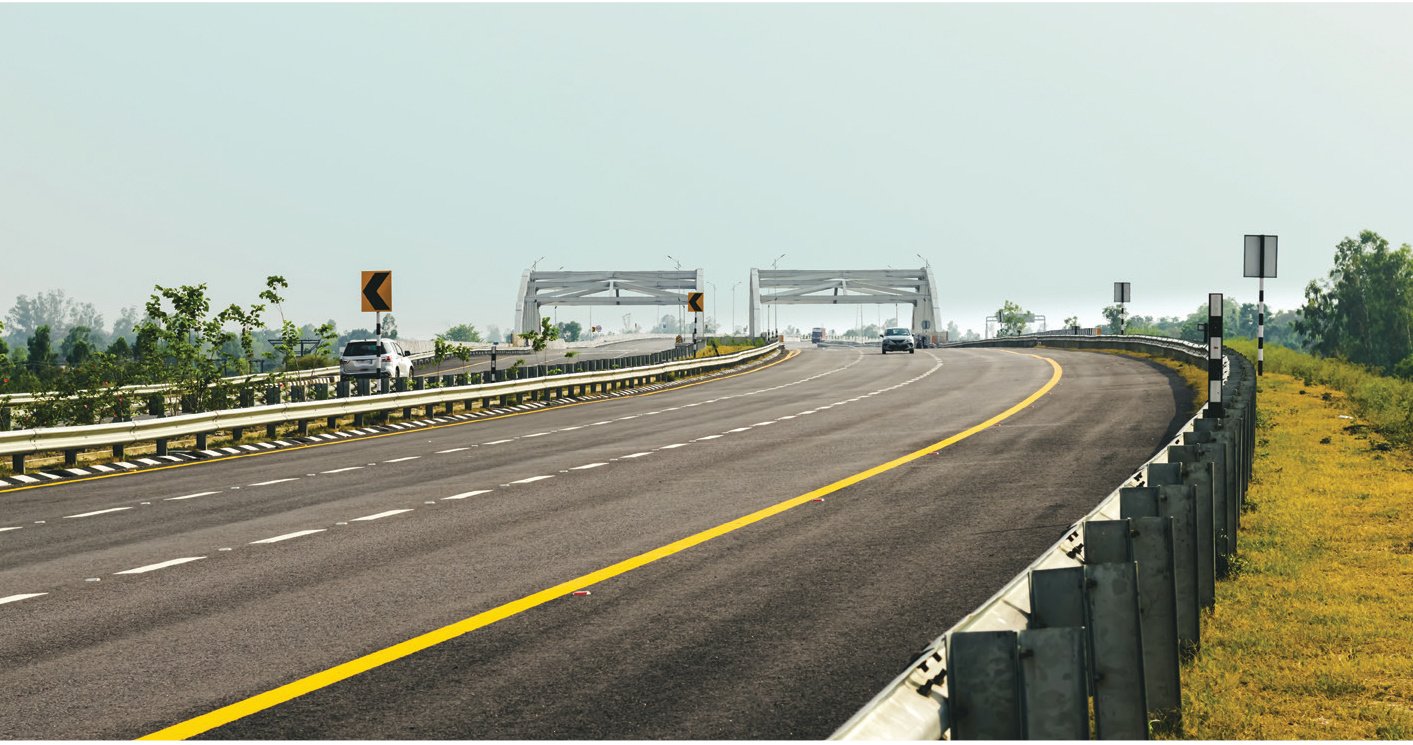
Hyderabad KNR Constructions Wins Major Telangana Road Contract
Hyderabad’s infrastructure landscape is poised for expansion after KNR Constructions Ltd, a Hyderabad‑based engineering and construction firm, announced it has secured a high‑value road infrastructure contract in Telangana worth approximately ₹8,365 crore. The award marks one of the largest road projects in the region this year and highlights sustained momentum in public works spending — with potential implications for connectivity, logistics efficiency and regional economic growth.
The contract, awarded by the Telangana Roads & Buildings Department, encompasses design and execution of major road widening and upgrading works across several key corridors linking urban nodes and economic hubs. According to industry sources, the project will be developed under the Hybrid Annuity Model (HAM) — a public‑private financing framework that spreads risk between government and contractors while accelerating highway construction in high‑growth states. This model has been a cornerstone of India’s national infrastructure drive. KNR Constructions, which is headquartered in Hyderabad and has over 25 years of experience in infrastructure delivery, will mobilise resources for detailed engineering, procurement and construction (EPC) activities. The company’s profile shows it has an established track record in road, irrigation and urban water infrastructure projects across multiple states. For urban planners and economic analysts, the Telangana road project award comes at a crucial moment. The state has been rolling out expansive transport upgrades — including double‑decker elevated corridors and network enhancements aimed at reducing congestion in and around Hyderabad — to support demographic growth and industrial activity. Analysts say that accelerating road infrastructure not only improves mobility but also strengthens supply chains for industries scattered across the region’s special economic zones and logistics parks.
A project of this scale typically spans multiple years and involves complex coordination with local civic bodies, land acquisition authorities and environmental regulators. Infrastructure delivery experts note that effective execution will be essential to avoid cost overruns, deal with monsoon‑season impacts and integrate design elements that reduce embodied carbon in construction — an emerging priority as India’s cities seek to balance growth with climate commitments.In recent quarters, the infrastructure sector has seen mixed awarding trends nationally, with large‑ticket highway and expressway projects often delayed by bidding slowdowns or land clearances. A contract of this magnitude in Telangana therefore signals sustained confidence from state authorities in deploying hybrid annuity financing to bridge gaps in urban and regional connectivity.From a socio‑economic perspective, major road projects can have wide‑ranging benefits. Improved highways reduce transportation time for commuters and freight, lower logistics costs and enable better integration of peri‑urban and rural economies with city markets. These enhancements can also help attract investments in manufacturing, services and tourism corridors tied to Kochi‑Hyderabad industrial ecosystems.Nevertheless, experts caution that contractor capacity and execution discipline will determine whether projected benefits materialise. Integrating robust quality assurance, environmental safeguards and community engagement within the project lifecycle — especially in sensitive ecological zones along state highways — will be key to achieving long‑term infrastructure sustainability.
If delivered on schedule, this road development initiative could set a template for future public‑private cooperation in Telangana’s infrastructure sector, strengthening the case for state‑level HAM projects to complement national programmes like Bharatmala Pariyojana and support comprehensive urban–regional mobility strategies.