


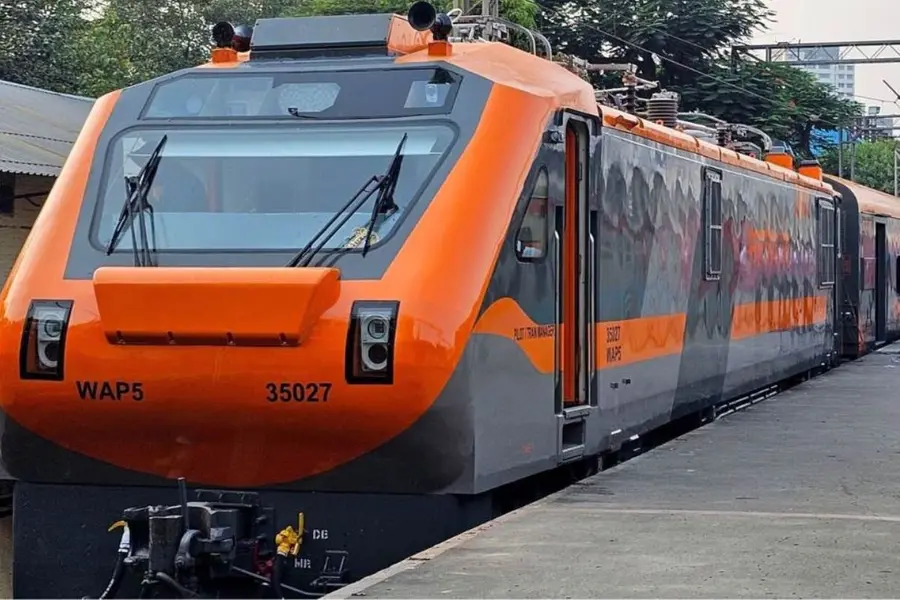
A new long-distance train service connecting Hyderabad to Assam is set to begin operations this week, marking a significant expansion in cross-regional rail connectivity between southern and northeastern India. The new Hyderabad Kamakhya train route will link the city’s Charlapalli terminal with Kamakhya in Guwahati, providing a direct travel corridor across several states and improving access to the country’s northeastern region.
The service is scheduled to begin operations on March 13 and will depart from Charlapalli Railway Terminal, a recently developed railway hub designed to reduce congestion at the city’s older stations. The terminal, built at a cost of about ₹413 crore, functions as Hyderabad’s fifth major railway terminus after Hyderabad Deccan Railway Station, Secunderabad Junction, Kacheguda Railway Station and Lingampally Railway Station.Railway authorities say the Hyderabad Kamakhya train will travel more than 1,500 kilometres, connecting Telangana and Andhra Pradesh with eastern and northeastern states. The route is expected to serve both long-distance passengers and migrant workers travelling between southern India and the northeastern region.
The train will halt at several important stations across Andhra Pradesh and Telangana, including Vijayawada Junction, Guntur Railway Station, Rajahmundry Railway Station and Vizianagaram Junction before continuing toward Assam.The destination station, Kamakhya Railway Station, is located near the famous Kamakhya Temple, one of the most prominent pilgrimage sites in northeastern India.The train is part of the expanding Amrit Bharat Express fleet, designed to provide affordable long-distance travel through sleeper and general second-class coaches. While positioned as a budget-friendly service, the train includes several safety and operational upgrades.
Railway officials say the coaches feature semi-automatic couplers, improved fire detection systems, sealed gangways between compartments and communication systems allowing passengers to alert train staff during emergencies. These features are increasingly being integrated into non-air-conditioned coaches as part of Indian Railways’ broader modernisation programme.Transport analysts say improved rail connectivity between southern India and the northeast could strengthen passenger mobility while also supporting trade flows, tourism and labour migration between the regions. Direct rail corridors can also reduce travel costs and improve accessibility for smaller towns located along the route.The new service also reflects a wider effort by Indian Railways to expand regional connectivity through newly developed terminals and modern rolling stock.As interregional rail routes grow, infrastructure planners expect such services to play a larger role in strengthening economic and social linkages between distant parts of the country, while making long-distance travel more accessible for millions of passengers.
Hyderabad Kamakhya Train Strengthens National Connectivity
