Hyderabad IT Corridor Hit by Severe Flooding Forcing Remote Work
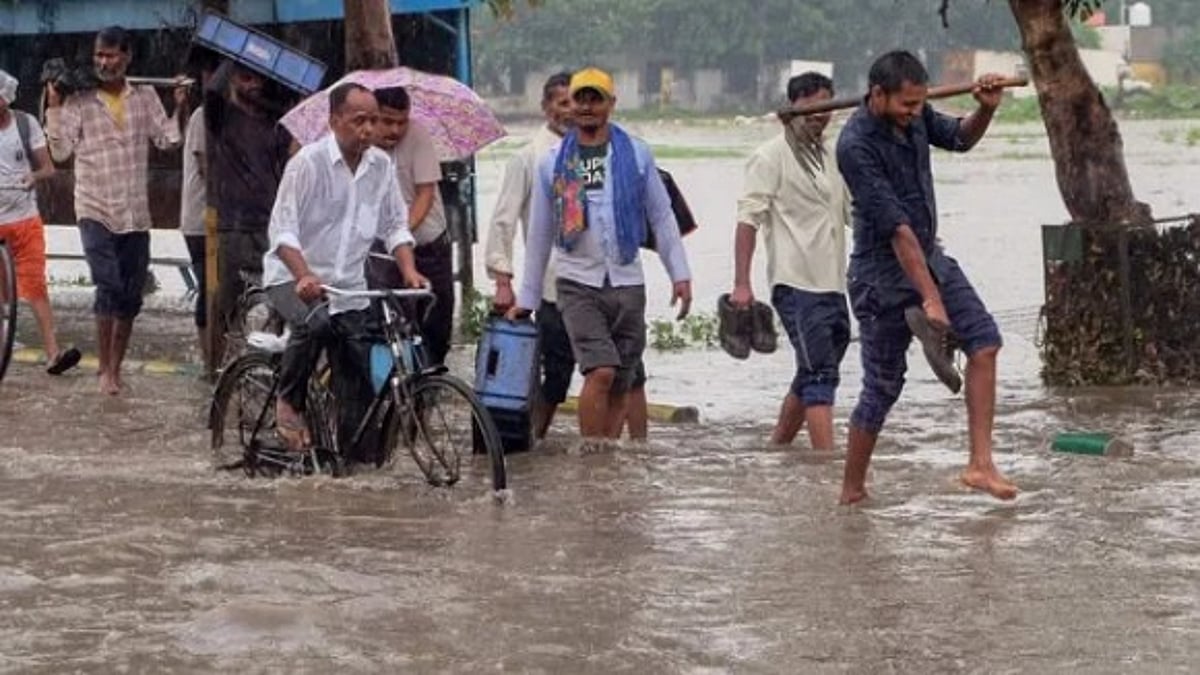
Hyderabad’s HITEC City witnessed severe flooding on Friday as heavy overnight rains inundated major IT corridors, compelling over 50,000 employees to work from home. The deluge, delivering more than 60 mm of rainfall in four hours, submerged underpasses, paralyzed traffic, and highlighted persistent gaps in urban drainage infrastructure across the city’s technology hub.
The India Meteorological Department (IMD) had issued a yellow alert for Telangana, predicting moderate to heavy showers with gusts up to 50 kmph. However, actual rainfall surpassed expectations, inundating low-lying areas around Cyber Towers, Mindspace, and sections of the Outer Ring Road near Raidurg. Officials reported knee-deep water at several junctions, leaving office-goers stranded and vehicles immobilized for hours.
IT companies swiftly activated contingency plans. Major firms mandated remote work for staff, ensuring continuity while prioritising employee safety. Cyberabad Police issued advisories urging organisations to implement work-from-home arrangements and avoid non-essential travel. Industry experts noted that while hybrid work setups reduced productivity loss, repeated flooding exposes the limitations of Hyderabad’s urban planning in managing climate-related disruptions.
Residential complexes in Gachibowli and Madhapur also experienced basement inundations, prompting emergency evacuations. The Greater Hyderabad Municipal Corporation deployed pumps and Disaster Response Force teams, while traffic authorities managed overflow at critical junctions, including the Nanakramguda flyover. Relief measures, including food and temporary shelters, were coordinated by civic authorities to mitigate immediate hardships.
The floods echo previous monsoon challenges, including September’s overnight deluge of over 100 mm, which left commuters stranded and caused reservoir overflows. Environmental analysts emphasise that HITEC City’s rapid commercial growth has outpaced the development of resilient drainage systems, increasing vulnerability during intense rainfall. Experts urged the integration of climate-resilient infrastructure, flood-prepared urban planning, and corporate investment in sustainable solutions.
Industry bodies reiterated the importance of balancing economic activity with environmental safeguards. NASSCOM highlighted the IT sector’s adaptability during such events but stressed the urgency of systemic government interventions to strengthen drainage and stormwater management. Officials also underlined the need for long-term urban planning that reduces carbon impact, enhances equitable mobility, and ensures sustainable growth for India’s $75 billion IT hub.As the IMD predicts scattered showers over the weekend, Hyderabad’s technology workforce continues operations remotely. While the IT sector remains resilient, repeated flood events underline the pressing need for integrated urban infrastructure planning to safeguard both human and economic capital.