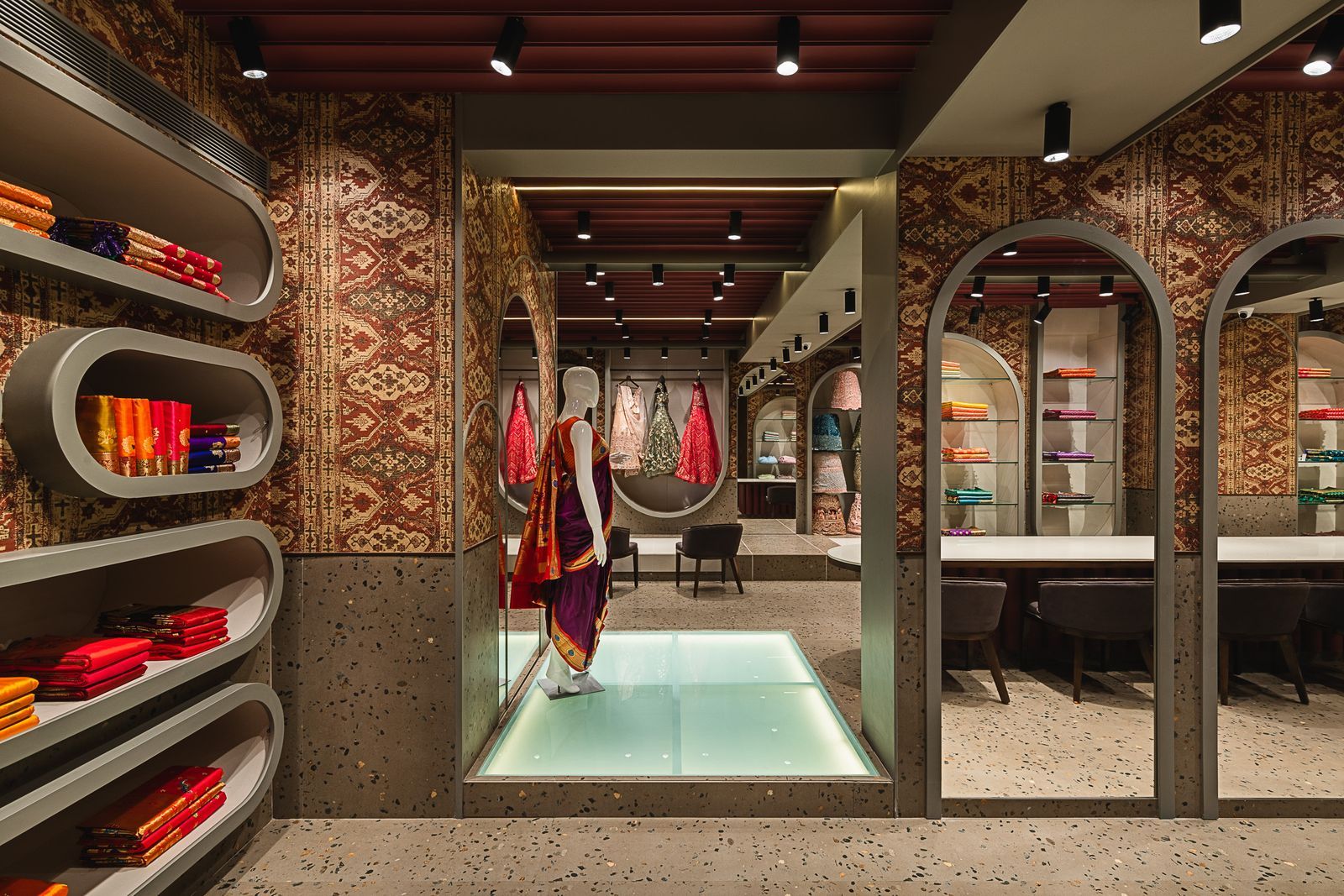
Hyderabad Interiors Embrace Curved Human Centric Design
A distinct shift in interior design sensibilities is emerging across Indian cities, with organic shapes, fluid forms and human‑centric spatial thinking redefining how people live in and move through interior spaces. Designers in Hyderabad say that contemporary homes are moving away from rigid geometries toward environments that feel more intuitive, comforting and emotionally engaging — a change that mirrors wider trends in urban living and wellness‑oriented design.
The new aesthetic is characterised by the softening of edges: straight lines yield to gentle curves, rounded furniture replaces boxy silhouettes, and arched openings dissolve the visual and physical rigidity previously dominant in modern interiors. This move toward fluid forms is not merely decorative; it reflects a broader shift in how designers conceptualise comfort and human experience in built environments. “Spaces that feel intuitive rather than imposing are increasingly central to contemporary residential design,” one curator observed.For decades, the modern design canon prioritised efficiency and precision, with straight lines, right angles and geometric order symbolising progress and rationality. The rising preference for curves and organic forms marks a departure from those functionalist principles toward an experiential and emotion‑led practice that prioritises atmosphere, comfort and psychological well‑being. In this emerging paradigm, a curved sectional sofa, for instance, is chosen not just for look but for how it encourages social interaction and eases movement within a living room.
This interior evolution aligns with broader global and Indian trends in residential design that emphasize warm minimalism, biophilia and tactile materials, where natural textures, softer palettes and sensory richness take precedence over stark, rigid lines. Curves are often inspired by natural forms — dunes, stones, waves — and introduce an element of biophilic and embodied design into urban homes, strengthening the emotional connection between people and their living spaces.Design practitioners point out that such shifts are also enabled by advancements in materials and fabrication techniques. Modern CNC‑cut plywood, flexible solid‑surface materials and moulded gypsum allow designers to create smooth, sweeping forms that once were costly and technically challenging. As these technologies become more accessible, flowing geometries are transitioning from luxury showcases into mainstream residential projects.
In compact urban homes — where spatial efficiency has traditionally driven inward design choices — curved partitions and rounded circulation paths are now being used to enhance flow and connectivity, reducing visual interruption and creating a sense of openness even in modest footprints. Designers say this approach not only improves aesthetics but also supports cognitive comfort, reinforcing a sense of calm and well‑being in everyday life.
This emotional turn in interior design also reflects changing homeowner expectations. As urban residents spend more time at home — for work, leisure and family life — interiors that convey warmth, softness and fluidity are gaining preference over spaces that feel austere or purely functional. The shift underscores a larger transformation in the Indian real estate ecosystem, where home quality and lived experience are becoming important differentiators for buyers and developers alike.