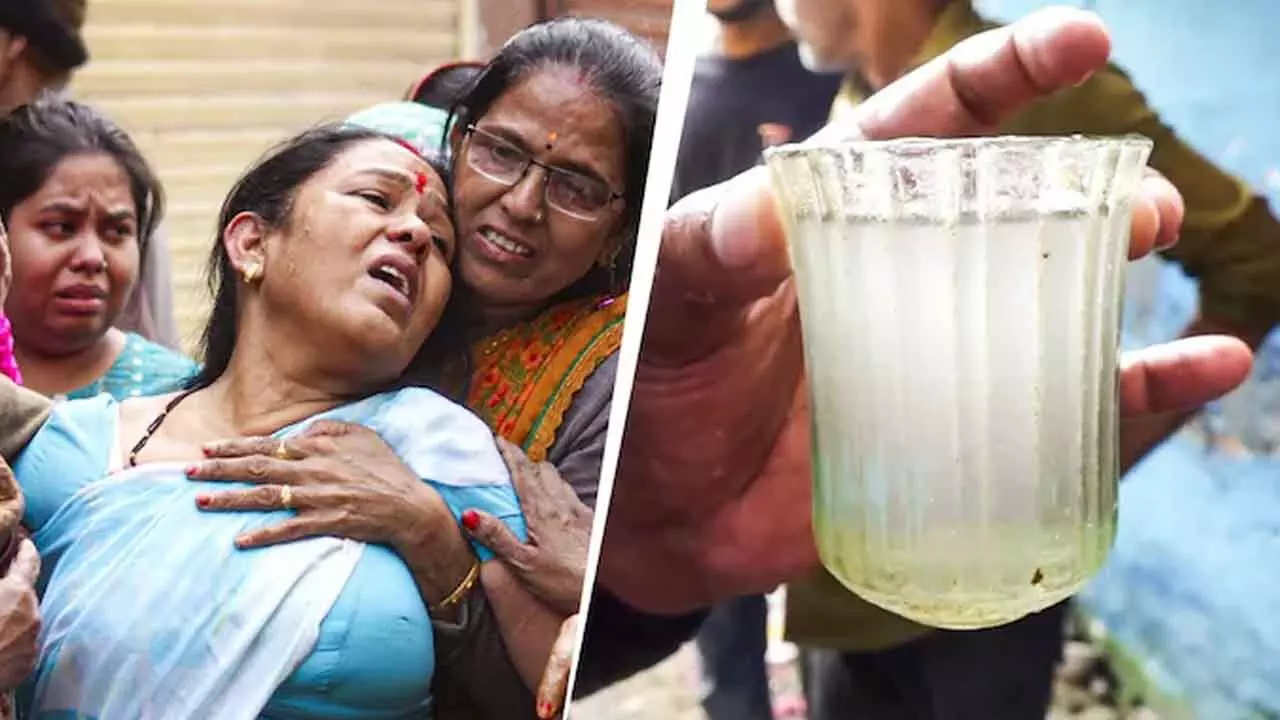
A deadly outbreak linked to contaminated drinking water in Indore has triggered renewed scrutiny of urban water safety across India, with Hyderabad emerging as one of the cities facing heightened risk due to ageing infrastructure and rapid expansion. The incident, which has resulted in multiple fatalities and hundreds of hospitalisations, has exposed how basic lapses in underground utility planning can quickly escalate into public health emergencies.
Preliminary findings from Indore point to contamination caused by sewage entering a potable water line, following structural failures beneath a densely populated residential area. Urban infrastructure specialists say such failures are rarely isolated events, but symptoms of a broader national problem where water and wastewater systems run dangerously close due to space constraints, informal construction and inadequate oversight. For Hyderabad, the parallels are difficult to ignore. While the city has invested heavily in securing long-term water availability through large-scale river-linking and bulk supply projects, much of its internal distribution network remains vulnerable. Several neighbourhoods still depend on pipelines laid decades ago, often sharing narrow corridors with drainage lines. Urban planners warn that these overlapping networks increase the likelihood of cross-contamination, particularly during pipe leaks or pressure drops.
Hyderabad water safety has already surfaced as a concern in recent years, with residents in multiple localities reporting discoloured or foul-smelling tap water during supply interruptions. Experts explain that intermittent water delivery common in many Indian cities can create negative pressure inside empty pipes. When this occurs near leaking sewage lines, pathogens can be drawn into the water network, spreading contamination once supply resumes. The challenge is compounded at the household level. Studies on urban low-income settlements indicate that even when treated water meets quality standards at source, contamination often occurs during storage. Limited access to continuous supply forces residents to store water in containers that may not be adequately sanitised, amplifying health risks and placing additional pressure on public healthcare systems.From an urban governance perspective, the Indore incident has highlighted the need for stronger coordination between planning authorities, utilities and contractors. Infrastructure analysts note that violations of prescribed safety distances between water and sewer lines frequently occur during road works, redevelopment projects and unauthorised construction. These risks are particularly pronounced in older city cores, where retrofitting modern services into dense built environments remains a technical challenge.
For Hyderabad, safeguarding water supply integrity is not only a public health priority but also an economic imperative. Reliable water infrastructure underpins workforce productivity, real estate value and investor confidence in a city positioning itself as a long-term growth hub. Climate resilience adds another layer of urgency, as extreme weather events can stress ageing pipelines and accelerate structural failures. Urban policy experts argue that the next phase of reform must move beyond expanding supply to strengthening distribution safety. This includes systematic audits of high-risk zones, stricter enforcement of construction norms around utility corridors and decentralised monitoring closer to end users.
As cities pursue digital governance and sustainability goals, ensuring the physical safety of essential services like drinking water remains foundational.
The tragedy in Indore may have unfolded hundreds of kilometres away, but its implications are immediate. For Hyderabad, reinforcing water safety systems now could prevent a similar crisis and define whether future urban growth remains both inclusive and resilient.
Hyderabad Infrastructure Under Water Safety Lens