


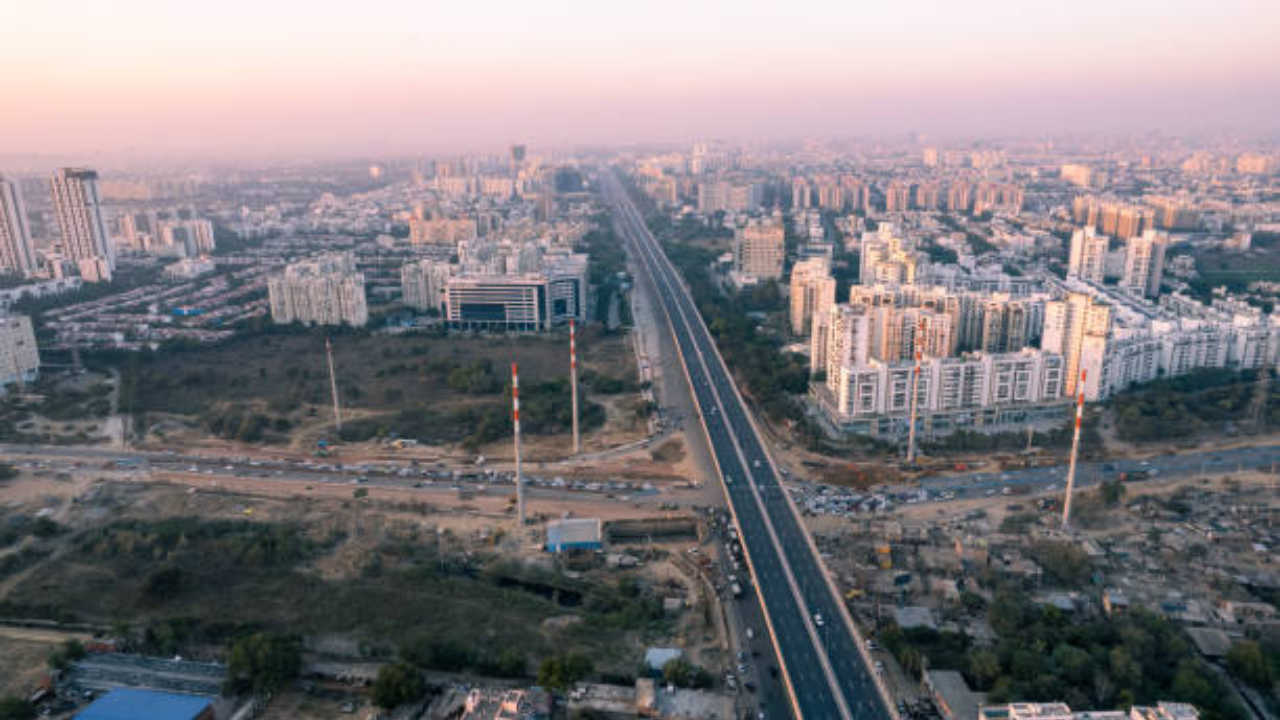
A major interstate road corridor linking central India with southern markets is approaching completion, promising faster connectivity between Indore and Hyderabad. The ongoing Indore Hyderabad highway development, which includes a series of mountain tunnels across difficult terrain in Madhya Pradesh, is expected to significantly improve travel efficiency and road safety once operational later this year.
The project forms part of a key highway expansion designed to strengthen regional connectivity between the commercial hub of Indore and Hyderabad. Officials overseeing the project say construction is progressing steadily despite complex engineering challenges along the hilly sections of the route.One of the most technically demanding segments lies between Tejaji Nagar near Indore and Balwada in Khargone district, where the road passes through rugged hill ranges. Traditionally, this stretch has been known for steep inclines, narrow turns and accident-prone ghat roads that slow down traffic movement.To address these challenges, engineers are constructing three road tunnels through the hills using controlled blasting technology designed to remove hazardous ghat sections. The tunnels include the Bherughat tunnel, Choral Ghat tunnel and Baigram tunnel, each ranging between approximately 480 metres and 575 metres in length.
According to officials from the National Highways Authority of India, these tunnels will help vehicles bypass dangerous mountain bends, making the Indore Hyderabad highway corridor safer for passenger vehicles and freight transport alike.The upgraded highway will form part of a wider interstate route linking Indore with Hyderabad through Maharashtra. Improved road infrastructure along this corridor is expected to reduce travel time while supporting trade and logistics flows between industrial clusters in central and southern India.Transport analysts say projects like this are becoming increasingly important as India’s road network evolves to support growing freight volumes and regional economic integration. Better connectivity between inland manufacturing centres and major metropolitan markets can reduce logistics costs and improve supply chain reliability.
The route will also strengthen access to important cultural and religious destinations along the corridor, including Omkareshwar Jyotirlinga, which attracts large numbers of pilgrims each year.Infrastructure specialists note that tunnel-based highway engineering is becoming more common in India’s road sector as authorities attempt to modernise routes passing through difficult topography. Such projects aim to enhance safety, reduce fuel consumption and cut travel times by eliminating steep climbs and sharp turns.Once completed, the improved road corridor is expected to create a faster and more reliable overland link between central India and the Deccan region. For logistics operators, commuters and long-distance travellers, the highway could become an important route supporting both economic activity and regional mobility across multiple states.
Hyderabad Indore Highway Nears Completion With Tunnels
