Hyderabad Housing Maintenance Costs Rise In Gated Communities
Rising maintenance expenses and the application of GST on residential services are placing increasing financial pressure on residents of gated communities across Hyderabad, highlighting a growing affordability concern within the city’s organised housing segment. The trend reflects how operational costs in urban housing are becoming a significant component of overall living expenses.
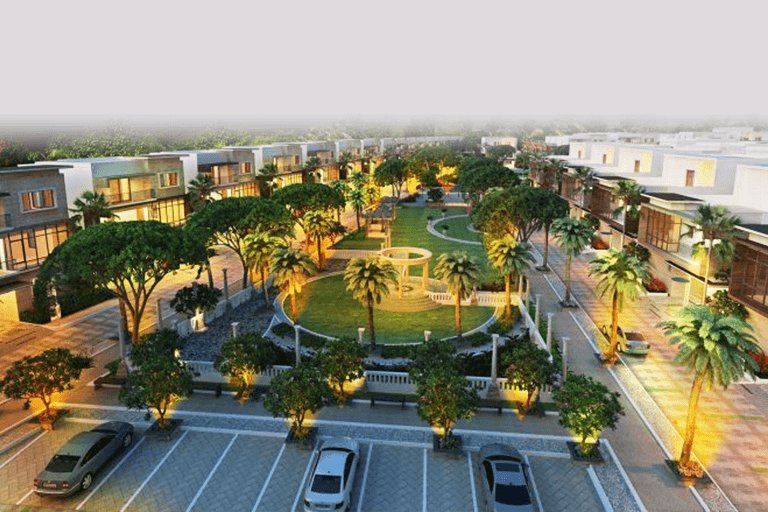
The Hyderabad housing maintenance costs increase is being driven by multiple factors, including higher electricity tariffs, rising labour charges, and escalating costs of essential services such as security, waste management, and facility upkeep. In addition, GST is being applied to maintenance charges exceeding prescribed thresholds, adding to the financial burden on residents.Resident welfare associations (RWAs) and facility managers indicate that monthly maintenance fees have risen steadily over the past year, particularly in large, amenity-rich housing complexes. Services such as power backup, water supply management, lift maintenance, and clubhouse operations have become costlier, reflecting broader inflationary trends in the urban services sector.The Hyderabad housing maintenance costs issue is particularly acute in newer gated communities, where extensive amenities—such as swimming pools, gyms, landscaped gardens, and security systems—require continuous operational expenditure. While these features enhance quality of life, they also contribute to higher recurring costs that residents must bear.
From an urban development perspective, the trend underscores a shift in how housing affordability is assessed. Traditionally, affordability has been linked to property prices or rental values. However, experts note that recurring costs such as maintenance and utilities are increasingly influencing household budgets, particularly in cities experiencing rapid real estate growth.The impact is also prompting behavioural changes among residents. Some housing societies are reassessing service contracts, renegotiating vendor agreements, and exploring cost-saving measures such as energy-efficient lighting and water conservation systems. Others are reviewing the scale and usage of amenities to optimise expenses without compromising essential services.The application of GST on maintenance charges has emerged as a key concern. While intended to streamline taxation, the levy has effectively increased the cost of housing services for many residents. RWAs have sought greater clarity and relief measures, particularly for middle-income households, where even moderate increases can strain finances.Urban planners highlight that the Hyderabad housing maintenance costs trend reflects a broader challenge across Indian cities. As residential developments become more complex and service-intensive, managing operational efficiency becomes critical to ensuring long-term affordability. The issue also raises questions about the sustainability of high-amenity housing models in the context of rising costs.
At the same time, the situation presents an opportunity for innovation. The adoption of smart technologies, renewable energy solutions, and decentralised service systems could help reduce long-term maintenance expenses while improving sustainability outcomes.Looking ahead, addressing the rising cost of living in gated communities will require a combination of policy clarity, efficient management practices, and design strategies that prioritise cost-effective operations. As urban housing continues to evolve, balancing lifestyle aspirations with financial sustainability will be key to creating inclusive and resilient residential ecosystems.