


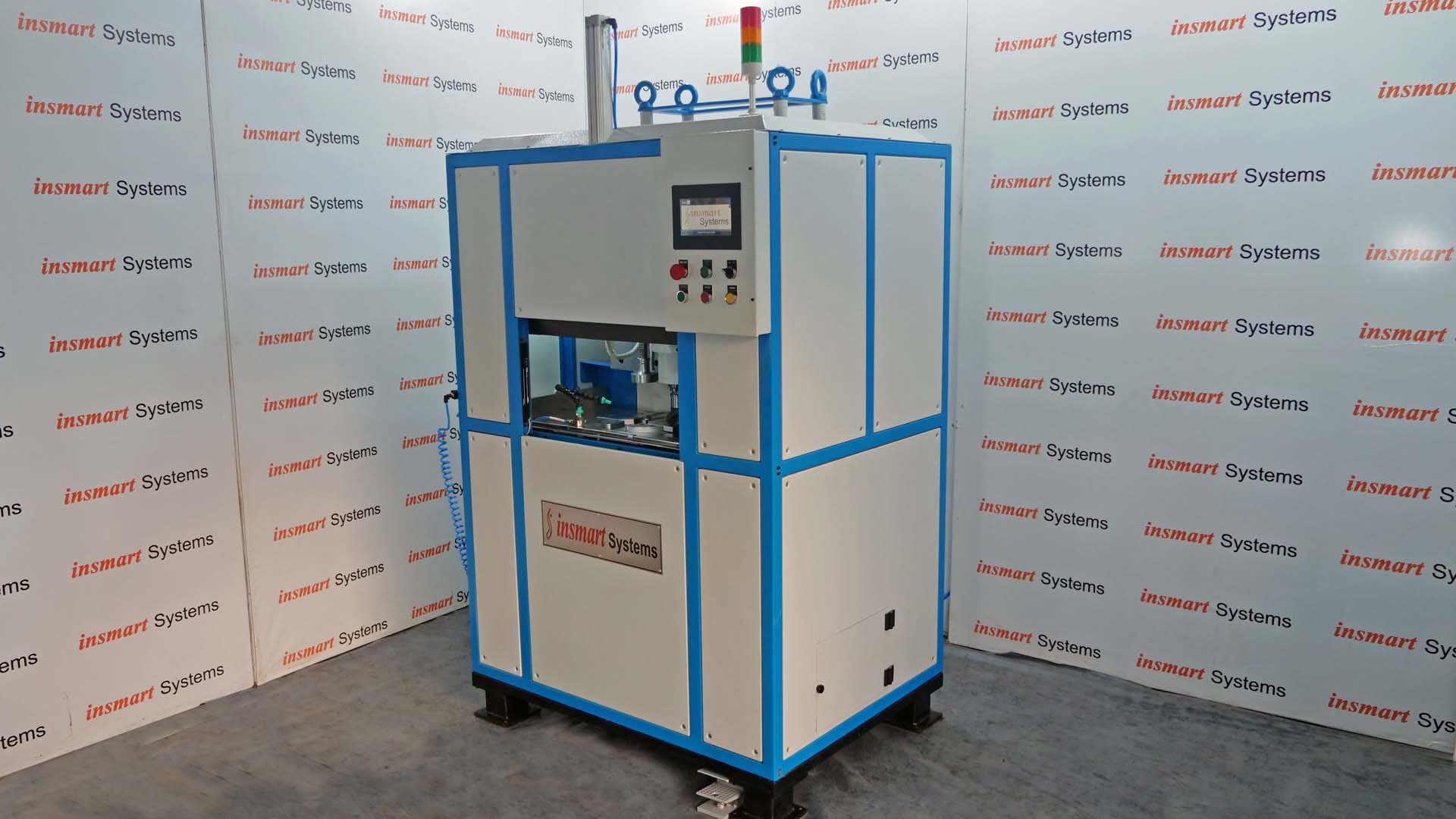
Hyderabad’s public healthcare infrastructure is poised for a significant operational upgrade with the introduction of an automated medical sample transport system at a major state government hospital — a first in Telangana. The move, slated to coincide with the inauguration of a new 1,000-bed tertiary health facility in Sanathnagar, aims to improve clinical workflows, expedite diagnostics and strengthen emergency response across urban and peri-urban communities.
The innovation involves deploying an automated tube transport network — akin to systems used in modern hospitals worldwide — to move blood, pathology and other critical samples rapidly between wards and laboratories. Health administrators say the technology reduces turnaround times for tests, particularly in acute scenarios requiring swift intervention, which historically depend on manual courier processes.For patients and clinicians alike, timely diagnostics can be the difference between recovery and deterioration. In dense urban areas such as Hyderabad, where traffic congestion and logistical bottlenecks often delay internal hospital transfers as well as ambulance movement, digitised transport systems can shave minutes — potentially saving lives. Health technology experts argue that this kind of operational enhancement is a necessary complement to broader clinical upgrades.
Public planners note that the decision to embed advanced logistics into the facility’s blueprint reflects a wider shift in government healthcare strategy. Rather than viewing public hospitals solely as safety-net providers, administrators are increasingly positioning them as centres of high-quality, data-driven care. Integrating automated systems into core clinical pathways can improve efficiency, reduce human error, and relieve workloads on nursing and lab staff — critical factors in under-resourced government facilities.The new hospital complex — due for formal commissioning in March during the Ugadi festival period — will significantly expand bed capacity in the city, with planners describing it as a response to long-standing gaps in tertiary care access for marginalised groups. Health economists highlight that infrastructural investments of this nature have dual benefits: enhancing patient outcomes while also creating operational benchmarks that private and philanthropic health systems may follow.
However, experts emphasise that technology alone cannot address systemic challenges in public healthcare delivery. Automated sample transport must be paired with robust laboratory staffing, quality assurance protocols and continuous training. Without concurrent investments in human resources and facility maintenance, advanced systems risk under-utilisation or breakdown — a fate familiar to health administrators who have grappled with chronic equipment downtime and workforce shortages in some government units.Urban health policy analysts also point out that integrating such logistics platforms offers opportunities for data capture on workflow efficiencies and patient outcomes. Over time, this can inform broader reforms in hospital design and resource allocation — particularly as cities like Hyderabad confront rising demand for emergency and specialised care amid population growth.
As the hospital’s launch draws near, the focus will shift from installation to integration: ensuring that automated systems enhance frontline healthcare delivery rather than merely adding technological complexity. The success of this pilot in Hyderabad could influence similar upgrades across other government hospitals in Telangana, pushing public health infrastructure toward higher reliability and resilience.
Also Read:Kolkata Flyers Reroute As Gulf Flights Remain Suspended
Hyderabad Government Hospital Adopts Smart Sample System
