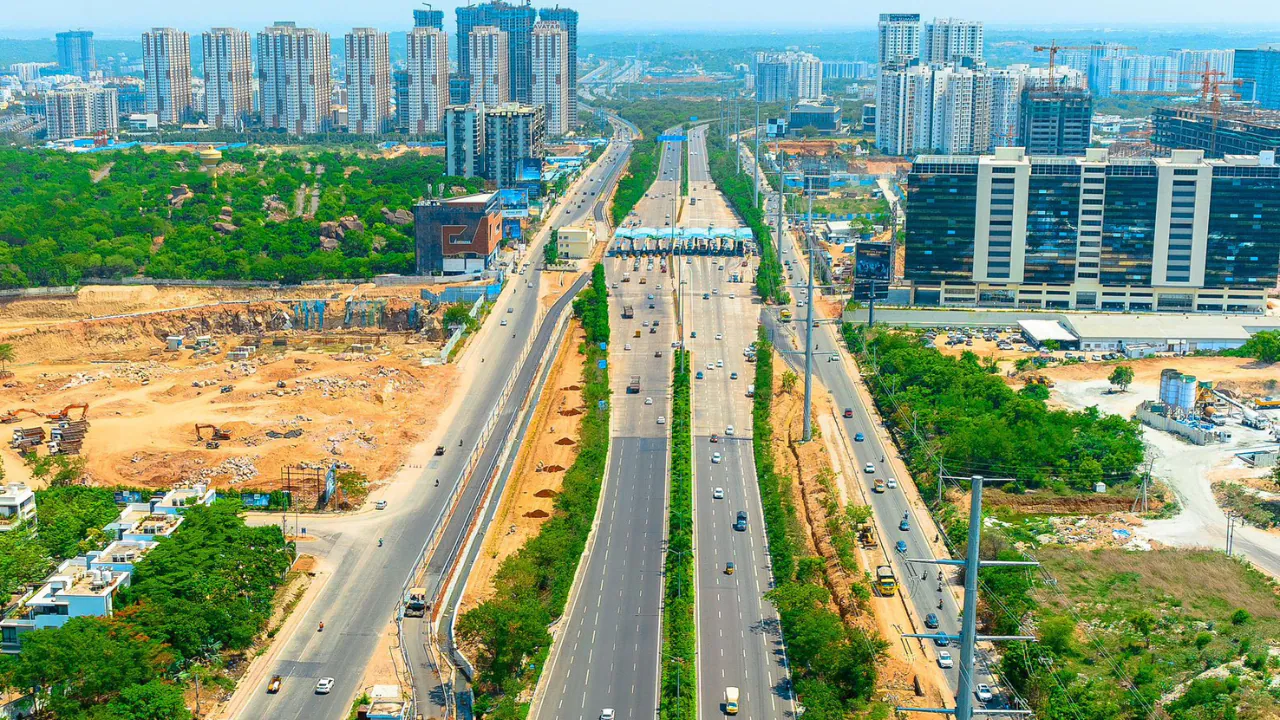
The Hyderabad Future City project has moved into a critical regulatory phase after the National Green Tribunal (NGT) declined to halt its progress while seeking responses from key authorities. The decision allows preliminary work to continue even as environmental concerns surrounding the large-scale urban development are formally examined.
The Hyderabad Future City project, envisioned as a major urban expansion initiative, is being positioned as a next-generation development aimed at easing pressure on the city’s existing infrastructure. However, the project has also triggered scrutiny over its environmental impact, particularly in relation to land use, ecological balance, and long-term sustainability.Petitions filed before the tribunal have raised concerns about potential environmental risks, including the impact on natural water bodies, green cover, and local ecosystems. The NGT has now directed relevant government departments and project authorities to submit detailed responses, signalling that while construction may proceed for now, regulatory oversight will intensify in the coming weeks.Urban planners note that the Hyderabad Future City project reflects a broader trend of large-scale urban expansion across India, where cities are increasingly developing satellite zones to accommodate population growth and economic activity. Such projects often promise improved infrastructure, integrated townships, and enhanced connectivity, but they also require careful environmental assessment to ensure sustainable outcomes.
The tribunal’s decision to not impose an immediate stay highlights a balancing act between development imperatives and environmental safeguards. Experts point out that halting projects at an early stage can disrupt investment flows and planning timelines, while allowing them to proceed without scrutiny can lead to long-term ecological consequences. The current approach—permitting progress while seeking detailed compliance—attempts to navigate this tension.From a real estate and infrastructure perspective, the Hyderabad Future City project is expected to influence land values, investment patterns, and housing supply in the region. Large-scale developments of this nature often attract both domestic and institutional investors, reshaping urban growth corridors and creating new economic clusters.However, the outcome of the regulatory review could significantly impact the project’s trajectory. If environmental concerns are substantiated, authorities may be required to modify plans, introduce mitigation measures, or implement stricter compliance frameworks. This could affect timelines, costs, and overall project design.The case also underscores the growing role of environmental governance in India’s urban development landscape. As cities expand, regulatory institutions are increasingly being called upon to ensure that growth aligns with ecological sustainability and climate resilience goals.
For residents and stakeholders, the Hyderabad Future City project represents both opportunity and uncertainty. While it promises improved infrastructure and economic prospects, its long-term success will depend on how effectively environmental considerations are integrated into its execution.Looking ahead, the tribunal’s proceedings are likely to shape not only this project but also the framework for future urban expansions in India. As cities continue to grow, the ability to balance development with environmental stewardship will remain central to building resilient and inclusive urban ecosystems.