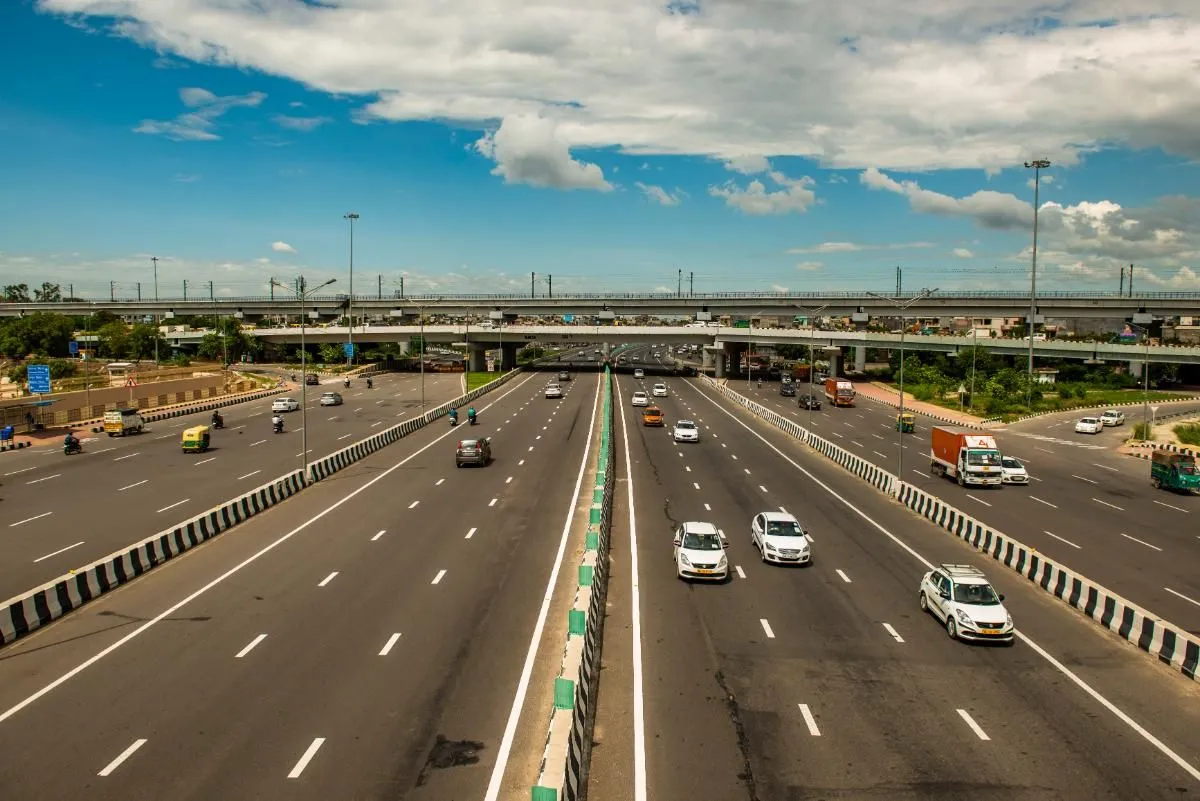
Hyderabad’s rapid physical expansion and ambitious branding agenda came under sharp scrutiny in the Telangana Assembly this week, as opposition legislators flagged persistent civic breakdowns that risk undermining the city’s liveability. The intervention coincided with legislative debate on proposals to merge multiple urban local bodies into the Greater Hyderabad Municipal Corporation, a move that would significantly enlarge the city’s administrative footprint.
Raising concerns during the discussion, a senior opposition floor leader argued that governance attention must shift from long-term vision statements to immediate urban management failures. While the state has positioned Hyderabad as a global investment and innovation hub, lawmakers cautioned that deteriorating basic services from traffic regulation to waste handling could weaken both citizen trust and economic competitiveness. Environmental infrastructure emerged as a central fault line. The Assembly was told that flagship riverfront and lake restoration initiatives would struggle to deliver results unless upstream and feeder water bodies were systematically cleaned and protected from pollution. Urban planners note that Hyderabad’s interconnected network of tanks and drains requires basin-level management, not isolated beautification projects, if climate resilience goals are to be met.
Mobility and street governance also drew criticism. Legislators highlighted weak traffic enforcement, inconsistent signalisation and rising noise pollution as daily stressors for residents. Experts say such conditions have economic consequences, including productivity losses and higher logistics costs, particularly as the city’s workforce spreads into newly merged peripheral zones. Questions were also raised about transparency in the use of revenue generated through automated traffic penalties, reflecting broader concerns around accountability in smart-city enforcement tools. Public health pressures linked to unmanaged urbanisation featured prominently. Growing populations of free-roaming animals, unchecked solid waste dumping and silt accumulation from stormwater drains were cited as indicators of stretched municipal capacity. Public health specialists warn that these issues disproportionately affect lower-income neighbourhoods, reinforcing inequality even as the city expands its formal boundaries.The debate extended to less visible but consequential ecological imbalances. Lawmakers pointed to declining urban biodiversity and rising respiratory ailments, urging clearer civic guidelines on human–wildlife interaction within dense neighbourhoods. Environmental researchers argue that small regulatory interventions, when consistently enforced, can deliver outsized gains for urban health and ecosystem stability .
At the policy level, the timing of these concerns is significant. The proposed municipal expansion is expected to unlock new real estate development, infrastructure investment and service delivery models. However, analysts caution that without parallel strengthening of governance systems, Hyderabad infrastructure crisis conditions could intensify rather than ease as the city grows. Urban governance specialists suggest that structured consultations with elected representatives from the expanded metropolitan area could help align local priorities with citywide planning. As Hyderabad prepares for its next phase of growth, the challenge before policymakers is clear: translating scale into service quality, and ambition into everyday functionality, so that urban expansion delivers inclusive and resilient outcomes rather than compounding existing stresses.
Hyderabad faces infrastructure stress amid expansion