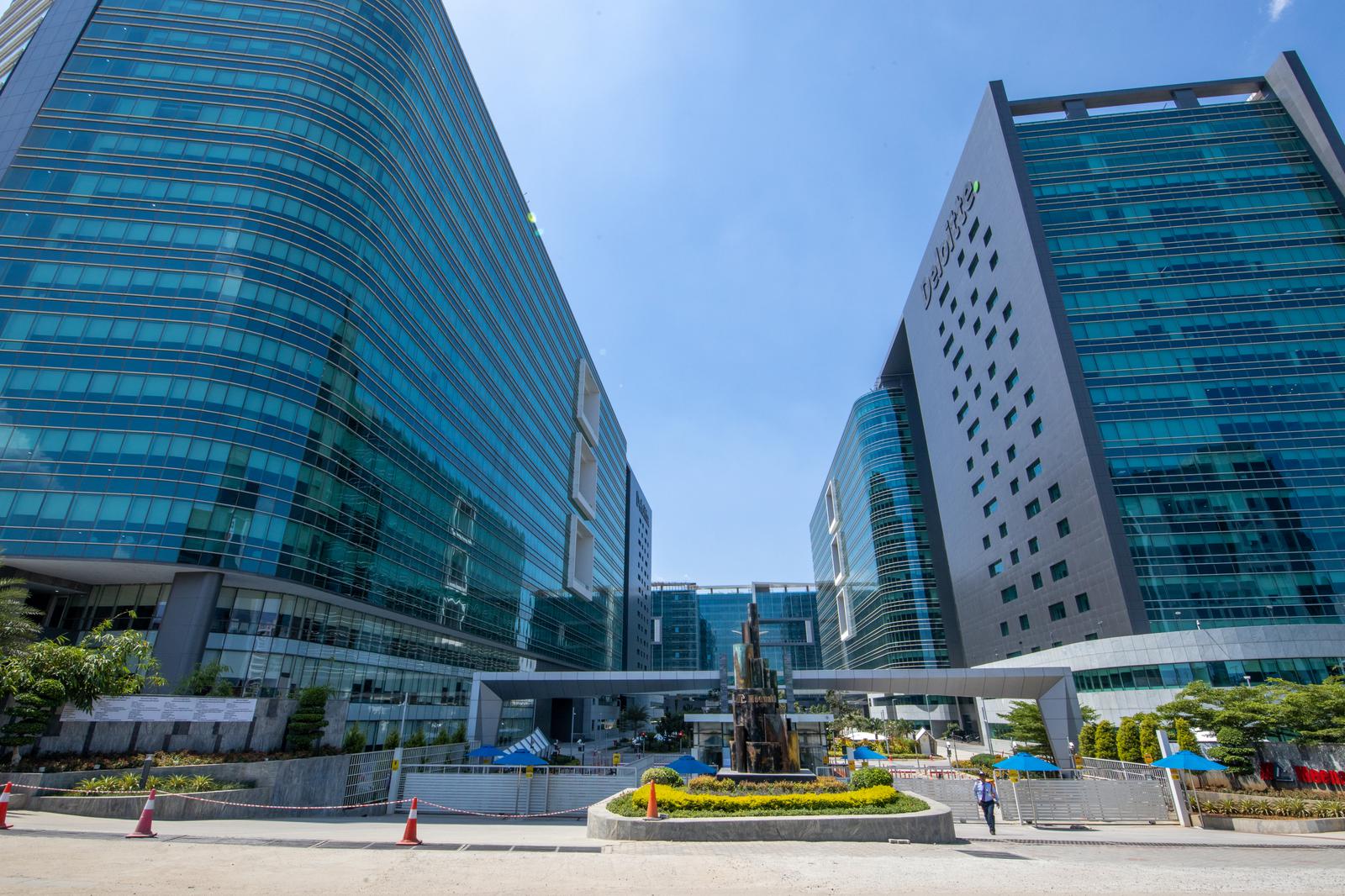
Hyderabad has emerged as the frontrunner in India’s evolving Global Capability Centre (GCC) landscape, drawing the largest share of new setups in the past year and signalling a structural shift in how multinational firms choose their urban bases. The trend reflects a broader recalibration in corporate strategy, where cities are evaluated not just on cost, but on long-term resilience, talent ecosystems, and infrastructure readiness.
Recent industry estimates indicate that Hyderabad accounted for over two-fifths of all new GCC establishments across India during 2025–26, surpassing traditional leaders. While Bengaluru continues to host the highest number of operational centres overall, new investment momentum is increasingly tilting toward the Telangana capital. This shift is being interpreted by analysts as part of a wider “innovation arbitrage” strategy. Companies are moving beyond cost efficiency to seek cities that can support advanced research, digital transformation, and business continuity. Hyderabad’s growing concentration of high-value sectors particularly pharmaceuticals, financial services, and cloud technology has positioned it as a strategic node in global operations.
Urban planners point to the city’s relatively balanced growth model as a key differentiator. Purpose-built districts such as HITEC City and the Financial District have enabled integrated development, combining commercial real estate with residential and social infrastructure. Compared to more congested metropolitan regions, Hyderabad offers shorter commute times and more predictable mobility factors that directly influence workforce productivity and retention. Lower employee attrition has also emerged as a decisive factor. Industry observers note that companies are increasingly prioritising stability in talent pools, especially for knowledge-intensive functions. Hyderabad’s ability to retain skilled professionals longer than some peer cities reduces hiring volatility and operational risk.
Cost dynamics continue to play a role, though they are no longer the sole driver. Real estate and operating expenses remain moderately lower than in competing hubs, allowing firms to scale without significantly escalating overheads. However, experts caution that this advantage may narrow as demand intensifies, making long-term urban planning critical. The rise of Hyderabad in the India GCC expansion narrative also has implications for inclusive and sustainable urban development. As the city absorbs new investments, the pressure on housing, transport, and public services is expected to grow. Urban policy specialists stress the need to align this economic growth with climate-resilient infrastructure, equitable housing access, and efficient public transit systems.
Across other cities, the GCC landscape remains diverse. Bengaluru continues to dominate in deep technology and artificial intelligence, while Pune and the National Capital Region are carving out niches in engineering research and consulting services. This multi-city ecosystem suggests that India’s GCC growth story is expanding rather than consolidating. Looking ahead, the trajectory of India GCC expansion will depend on how cities manage scale without compromising liveability. Hyderabad’s current lead offers a blueprint, but sustaining it will require careful balancing of economic ambition with urban sustainability and citizen-centric planning.