Hyderabad Declares Weekly ‘Dry Day’ To Combat Dengue Surge, Public Alert Issued
With a sharp rise in dengue and water-borne infections across Telangana, health authorities have launched a preventive campaign, urging residents to observe a weekly ‘Friday Dry Day’ to eliminate stagnant water. The initiative aims to disrupt mosquito breeding and reduce disease transmission, particularly of dengue, typhoid, and viral fevers. As weather conditions favour mosquito multiplication and airborne infections, officials are also emphasising hygiene, cough etiquette, and water safety practices to curb the seasonal disease surge.
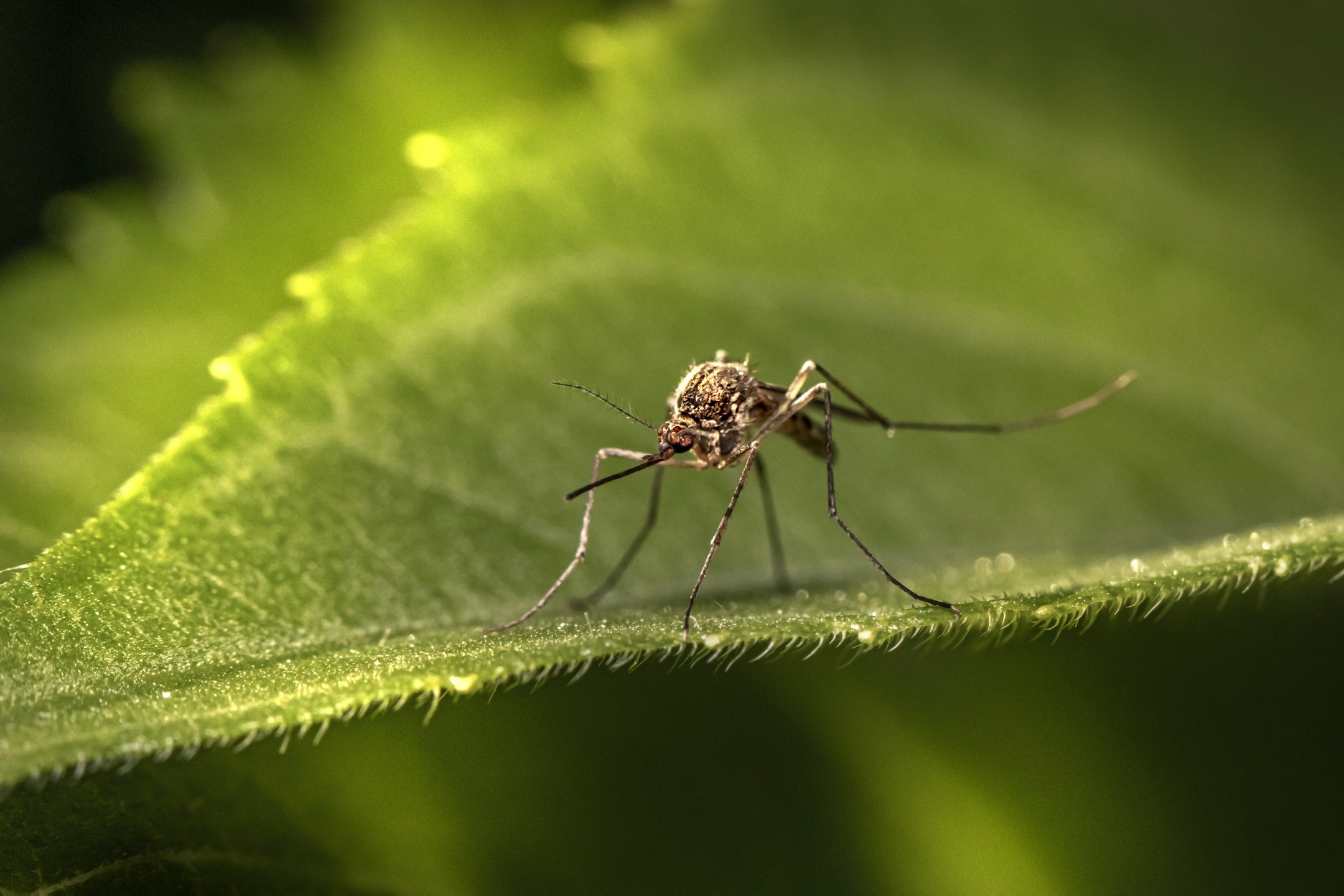
In response to growing health risks from monsoon-related illnesses, Telangana’s health department has initiated a weekly ‘Friday Dry Day’ campaign to prevent mosquito breeding. Residents are advised to empty containers, check flowerpots, unclog drains, and eliminate water stagnation in and around their homes and workplaces. Health experts stress that Aedes mosquitoes—carriers of the dengue virus—bite mostly during daylight hours, making daytime protection essential. Residents are being urged to use mosquito screens, repellents, and nets, especially around children’s cribs and beds. With dengue cases rising steadily, the campaign focuses on grassroots community participation to avoid an outbreak. Authorities have also reminded citizens that hygiene maintenance and water sanitation are crucial in containing gastroenteritis, typhoid, and jaundice, which are spreading rapidly. Boiling drinking water, handwashing before meals, and avoiding outside or stale food are among the key practices promoted to prevent transmission of water-borne infections as rainwater continues to accumulate across urban zones.
The seasonal spike in air- and water-borne diseases has prompted officials to issue a wider public health advisory in Hyderabad and across Telangana. Along with the dengue containment strategy, the focus has shifted to preventing airborne viral infections, such as flu and viral fevers, that spread quickly in congested settings. Authorities have encouraged the public to adopt basic respiratory hygiene practices—using handkerchiefs while sneezing, sanitising hands regularly, and avoiding handshakes or close contact with symptomatic individuals. With schools, markets, and transport systems in full swing, the potential for disease transmission is high. Medical teams have flagged the urgency of maintaining clean domestic drains, ensuring proper disposal of garbage, and covering drinking water containers. Despite adequate infrastructure, lapses in community awareness and poor civic practices often lead to avoidable disease spikes. The health department aims to instil long-term behavioural change through this campaign, promoting personal accountability alongside government-led sanitation and awareness drives.
As Hyderabad navigates a high-alert season for infectious diseases, the call for a ‘Friday Dry Day’ is more than symbolic—it’s a community-based preventive measure rooted in science. Authorities are banking on public cooperation to mitigate what could otherwise turn into a public health crisis. By combining vector-control methods with hygiene education and public awareness, Telangana’s health system is taking proactive steps to safeguard its population. However, the long-term success of such interventions depends on sustained citizen participation, vigilant household practices, and responsive civic infrastructure to tackle stagnant water and poor sanitation in urban and semi-urban zones alike.