


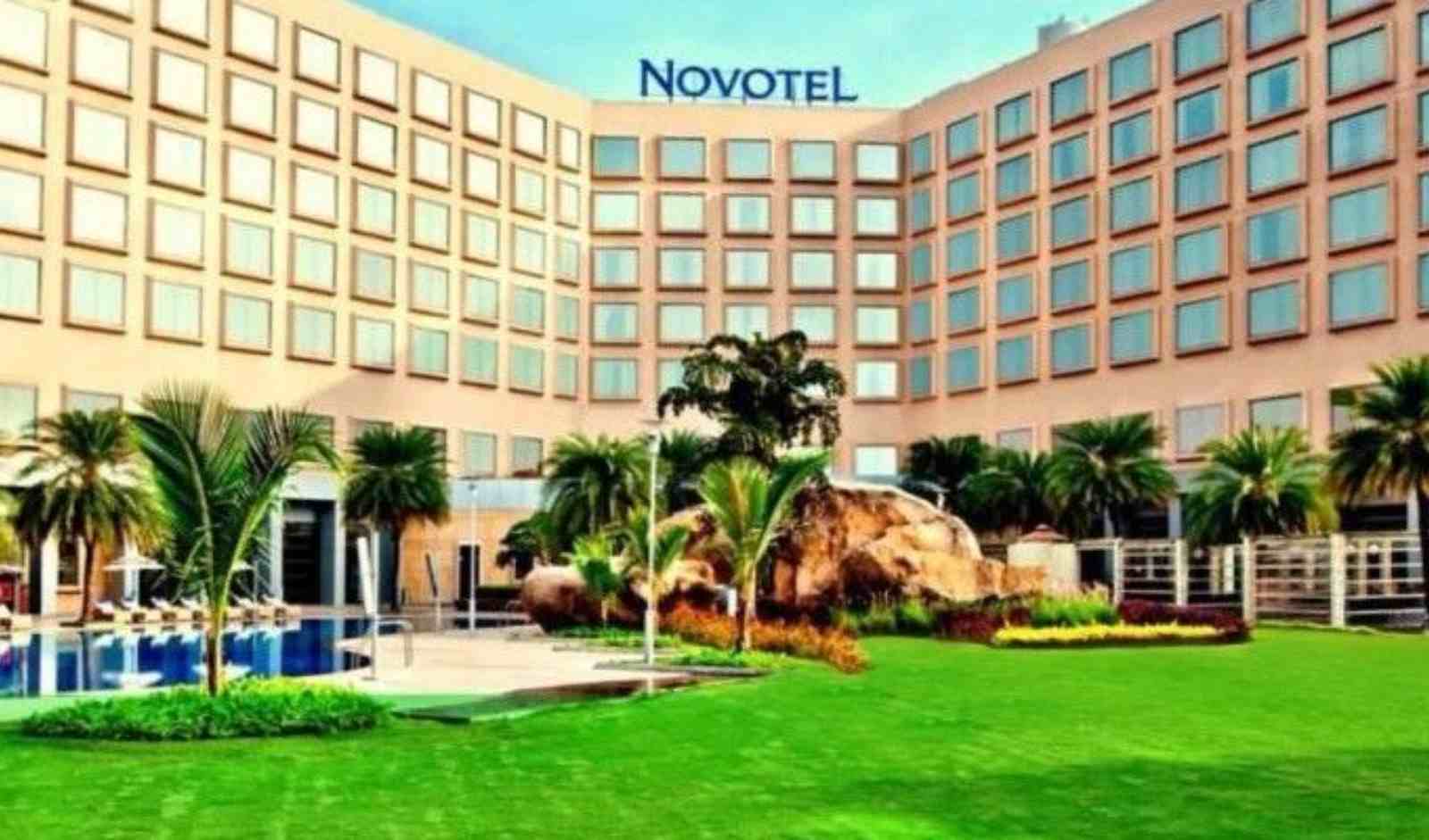
Hyderabad’s convention and hospitality ecosystem has taken a strategic step towards strengthening long-term asset performance with a senior engineering leadership appointment at one of the city’s largest integrated hotel and convention facilities. The move signals a growing industry-wide emphasis on energy efficiency, infrastructure resilience and sustainable building operations within high-footfall hospitality assets.
The leadership change comes at a time when Hyderabad’s Meetings, Incentives, Conferences and Exhibitions (MICE) segment is expanding rapidly, driven by increased corporate travel, global summits and large-format exhibitions. Facilities such as convention-linked hotels now operate less as standalone properties and more as urban infrastructure assets that must deliver uninterrupted services, climate-conscious operations and public safety at scale. Industry observers note that engineering leadership has become central to hospitality competitiveness. Modern convention hotels consume energy comparable to mid-sized commercial complexes, with continuous demands for cooling, water management, vertical transport and digital infrastructure. Ensuring reliability while reducing environmental impact is now a boardroom priority rather than a back-end function. The newly appointed engineering head brings experience across preventive maintenance systems, large-scale technical operations and energy optimisation frameworks in premium hospitality environments. Such expertise is increasingly critical as hotels face rising utility costs, tighter sustainability benchmarks and greater scrutiny from institutional clients and global event organisers.
Hyderabad’s hospitality sector is also responding to broader urban challenges. Water stewardship, waste reduction and low-carbon energy use are no longer optional initiatives but operational necessities in a city balancing rapid growth with climate vulnerability. Convention centres, due to their size and intensity of use, are uniquely positioned to demonstrate how large buildings can align operational efficiency with environmental responsibility. Urban planners highlight that resilient hospitality infrastructure contributes directly to city economies. Convention hotels support employment across service, logistics and event ecosystems while reinforcing Hyderabad’s positioning as a national and international business destination. Engineering-led asset management plays a decisive role in ensuring these facilities remain viable, safe and adaptable over decades rather than just seasonal cycles. The expanded engineering mandate at the property will oversee both hotel operations and the adjoining international convention centre, reflecting the increasing convergence of hospitality, real estate management and urban infrastructure planning. Analysts suggest this integrated approach reduces operational silos, improves lifecycle cost management and enhances guest and delegate experience simultaneously.
As Indian cities compete to attract global events and institutional travel, the spotlight is shifting from visible luxury to invisible systems energy grids, mechanical reliability and sustainability governance. Hyderabad’s hospitality sector appears to be aligning with this shift, recognising that long-term competitiveness will depend on how responsibly and resiliently its assets are managed.
Also Read: Hyderabad Commercial Realty Attracts Long Term Tech Commitment
