


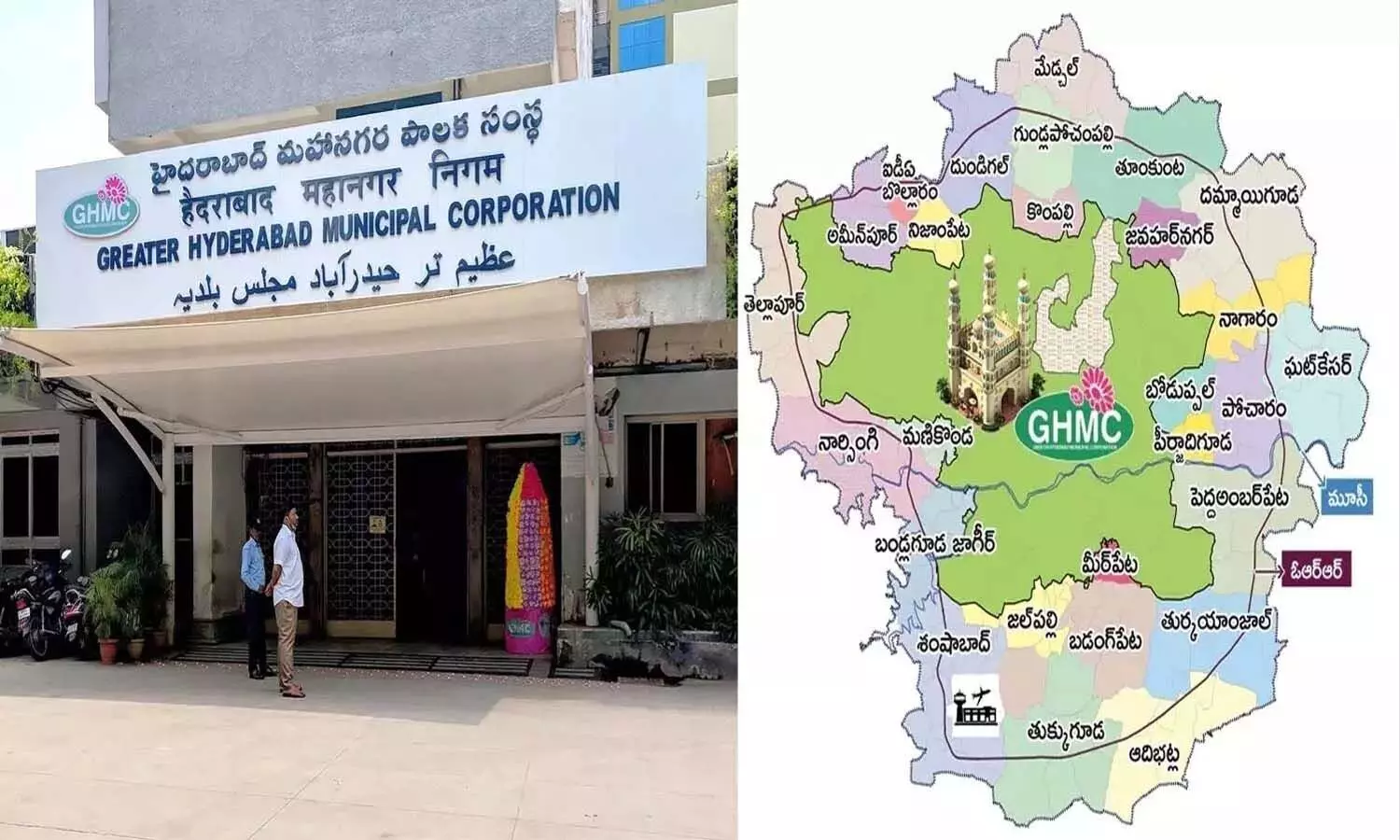
Telangana’s state government is weighing a policy change that would increase the number of co-opted seats in urban local bodies, a move with implications for civic governance, political inclusion and the future shape of municipal representation.Under current rules, municipalities may appoint two co-opted members, while municipal corporations can have three — with one seat reserved for a woman — and the Greater Hyderabad Municipal Corporation (GHMC) may have up to five. Co-opted members participate fully in committee discussions and civic planning forums but do not exercise voting rights on the council floor. Government sources indicate the proposal under preparation could raise these limits to five in municipalities and six or seven in municipal corporations. A cabinet discussion is anticipated before formal notification is issued and legislative approval sought.
The proposal arrives as the state consolidates a series of local elections and looks to balance electoral outcomes with administrative continuity. For Hyderabad and other urban centres in Telangana, co-opted members have traditionally been used to bring experienced professionals — such as former mayors, retired bureaucrats or subject specialists — into civic decision-making. Increasing these positions could broaden expertise in municipal planning, infrastructure delivery and urban resilience, but may also raise questions about democratic representation.Urban governance experts note that co-opted seats can be an effective mechanism to embed technical knowledge in civic bodies, particularly where specialised input is needed on issues like sanitation, drainage, transport planning or climate adaptation. With Hyderabad’s urban footprint expanding and infrastructure demands rising, the argument for diversified advisory voices has gained currency among sector analysts. However, the absence of voting powers means co-opted members influence deliberations without direct accountability to urban residents.
Municipal administration specialists also point out that enlarging co-opted ranks may have fiscal and functional implications. While these seats are not elected, they require administrative support and can expand the advisory ecosystem within councils. In rapidly growing urban economies, cities must balance the need for expert guidance with structures that reflect the choices of residents who elect their representatives. Hyderabad’s transport expansion, climate action planning, and infrastructure financing are already complex domains where municipal bodies are expected to deliver outcomes on tight timelines.The political dimension of the proposal is also conspicuous. State legislators and leaders who either lost election bids or were not nominated to contest could be among those considered for co-opted roles. In decentralised systems, such appointments have occasionally been used to retain experienced contributors within the governance process, especially where electoral cycles produce a turnover in elected members.
As Telangana prepares for the upcoming assembly session, where legislation to formalise the change may be tabled, accountability and governance groups have indicated they will monitor the debate closely. For citizen advocates and urban planners, the key question is whether increasing co-opted positions enhances the capacity of local bodies to respond to the infrastructure needs of fast-growing cities — from water and waste services to transit networks — without diluting democratic representation.The next fortnight is expected to clarify the cabinet’s position and the timeline for legislative introduction, marking an important moment in the evolution of urban governance across Telangana’s municipalities.
Also Read:Living room art show redefines gallery culture in Kochi
Hyderabad considers expanding municipal co-opted seats
