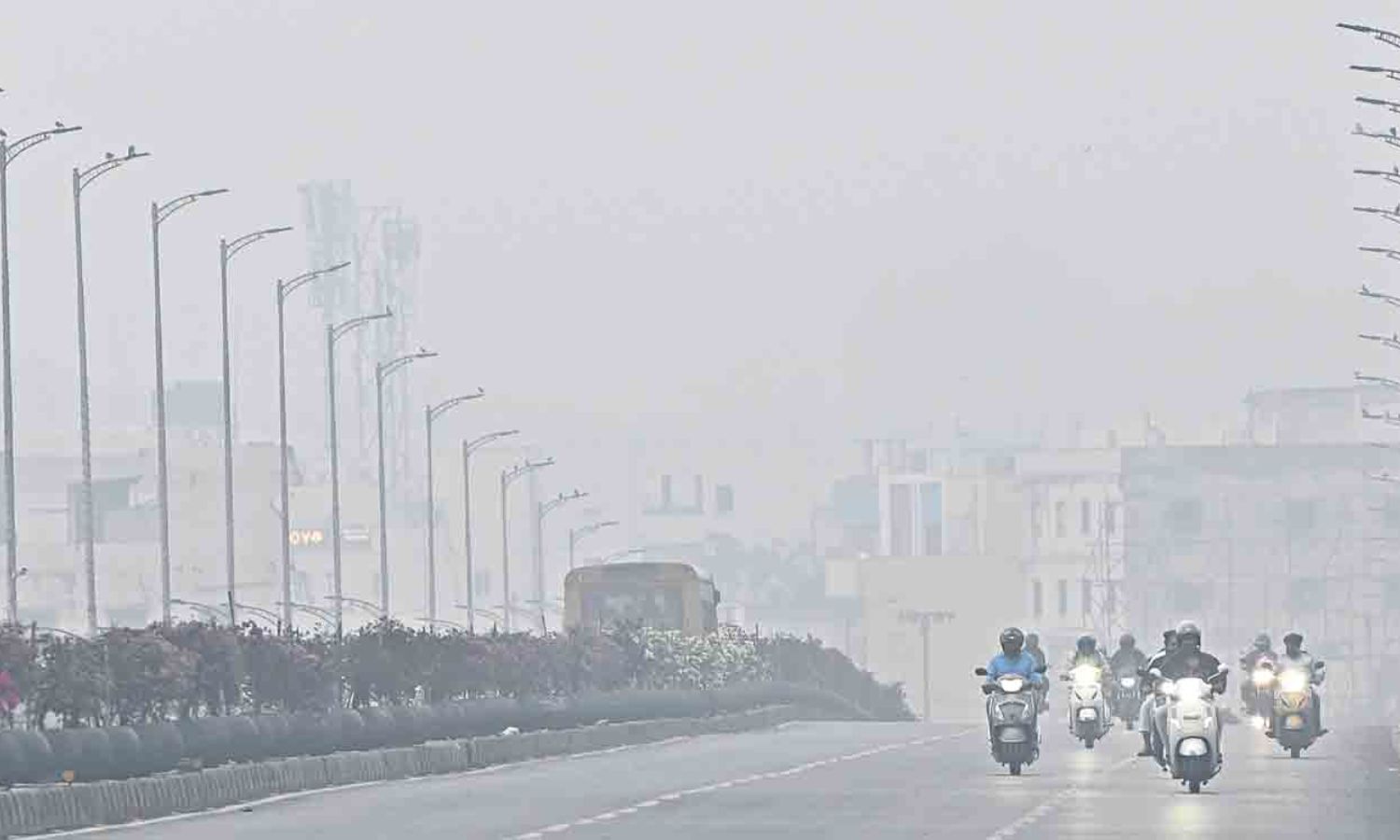
Hyderabad and several parts of Telangana are experiencing an unusually intense winter spell, with meteorological authorities issuing a cold wave alert across multiple districts. The sharp temperature drop has raised concerns around public health preparedness, urban resilience, and the ability of cities to protect vulnerable populations amid increasing climate variability.
According to the India Meteorological Department, cold wave conditions are likely to persist in pockets of northern and central Telangana, while Hyderabad is expected to see below-normal minimum temperatures over the coming days. Clear skies, calm winds, and dry continental air have combined to drive nighttime temperatures lower than seasonal averages, creating discomfort for residents unaccustomed to prolonged cold conditions. Urban weather experts noted that minimum temperatures in and around Hyderabad are hovering two to three degrees below normal, with early morning fog and night-time haze adding to reduced visibility and mobility challenges. Daytime conditions remain comparatively mild, but the wide diurnal temperature range is straining both human health and urban systems.
Data from state climate monitoring agencies shows that several districts have recorded single-digit minimum temperatures, with rural and peri-urban areas experiencing the steepest decline. Even within metropolitan boundaries, institutional zones and green campuses have reported temperatures well below typical winter levels. A senior climate analyst said such microclimatic variations underline how land use patterns, vegetation cover, and urban density influence local temperature behaviour. The cold wave has implications beyond personal discomfort. Health practitioners warn that exposure to low temperatures disproportionately affects elderly residents, informal workers, and people living in poorly insulated housing. Night-shift workers, construction labourers, and street vendors are particularly vulnerable, highlighting the intersection between climate events and urban inequality.
From an urban planning perspective, the episode has renewed discussion around climate-resilient housing, energy-efficient building design, and inclusive public infrastructure. Experts argue that Indian cities, traditionally focused on heat mitigation, must now adapt to a wider spectrum of climate extremes, including cold stress. Passive design, better insulation, and access to clean energy for heating are increasingly seen as essential components of sustainable urban development.
Municipal authorities have advised residents to take precautions during early morning and late-night hours, while civic bodies are monitoring weather trends closely.
Urban policy specialists stress that such short-term advisories should be complemented by long-term planning that integrates climate resilience into housing, transport, and public health systems. As climate patterns grow more unpredictable, Hyderabad’s cold wave serves as a reminder that sustainable, inclusive, and climate-responsive cities are no longer aspirational goals but practical necessities for safeguarding urban life and economic productivity.
Hyderabad Cold Wave Alert Issued For Eleven Telangana Districts Says IMD Today