


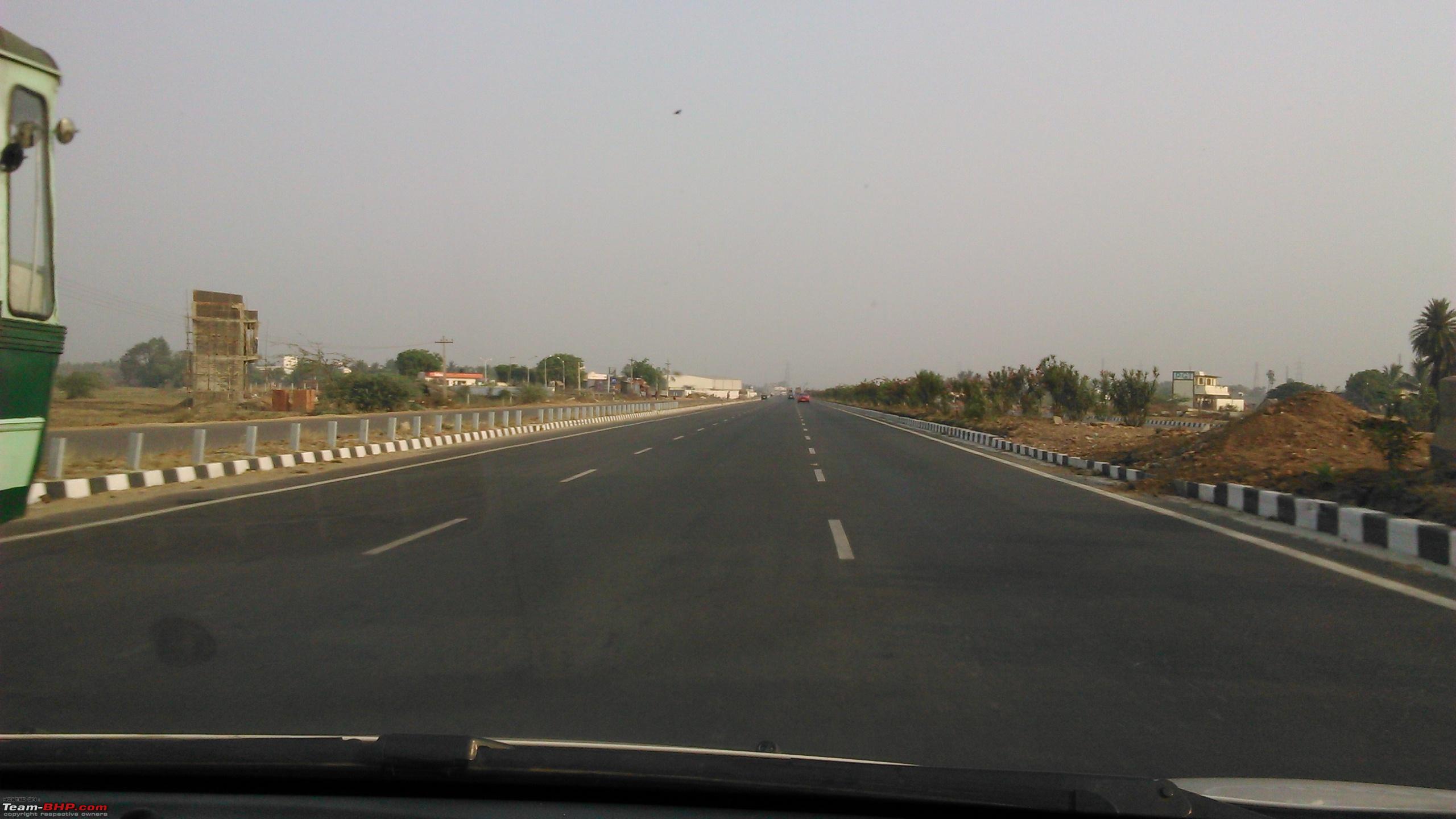
Hyderabad Chennai Highway Faces Traffic Bottlenecks Amid Road Updates
The Hyderabad–Chennai corridor is currently experiencing intermittent traffic slowdowns due to ongoing road maintenance and evolving surface conditions, impacting long-distance commuters and freight movement across two major southern states.
Transport authorities have issued advisories urging travellers to anticipate delays and plan alternative routes, reflecting broader challenges in sustaining high-capacity intercity road infrastructure.The 625-kilometre corridor serves as a key conduit for trade, logistics, and passenger mobility between Telangana and Tamil Nadu. Road planners and transport experts highlight that such arterial highways are critical not only for economic efficiency but also for urban decongestion, given that freight often intersects city-bound traffic. Disruptions along this route illustrate the vulnerability of major highways to maintenance delays, weather effects, and traffic mismanagement.Officials indicate that specific stretches are undergoing resurfacing, shoulder repairs, and bridge maintenance, necessitating temporary lane reductions and diversions. Urban mobility analysts note that while such interventions are essential for long-term durability, they can exacerbate short-term congestion and increase emissions from idling vehicles. For commercial operators, these delays can cascade into supply chain disruptions, particularly for perishable goods and time-sensitive cargo.
A senior transportation consultant observed that the Hyderabad–Chennai corridor also exemplifies the need for integrated traffic management systems along high-density highways. Intelligent transport solutions, including real-time traffic monitoring, digital signage, and coordinated detour planning, could help mitigate commuter inconvenience while maintaining road safety standards. Such measures align with emerging urban planning principles that prioritise sustainable mobility and reduced carbon footprints for intercity travel.
From a civic perspective, the corridor’s condition affects tourism, regional connectivity, and local economies in towns along the route. Town planners point out that delays on this key highway can influence decisions on urban expansion, logistics hubs, and real estate investments, highlighting the interconnectedness of transport infrastructure and regional development.Authorities have also emphasised the importance of public awareness campaigns and travel advisories to distribute commuter load more evenly across peak periods. Future planning may include phased construction schedules, expanded bypasses, and dedicated freight lanes to balance commercial and passenger traffic efficiently.
As the Hyderabad–Chennai highway continues to support both urban and regional economic activity, these maintenance and traffic updates underscore the importance of resilient infrastructure, smart transport solutions, and coordinated urban planning. For travellers and operators, proactive route management and informed commuting will remain crucial until the roadway stabilises.
Also Read:Chennai Airport Implements Efficient Traffic Flow
