Hyderabad Badangpet Merger Reshapes Local Development Outlook
The inclusion of Badangpet within the Greater Hyderabad Municipal Corporation has triggered cautious optimism among residents and property stakeholders, who see the merger as a potential turning point for long-delayed infrastructure upgrades, while also expressing concern over higher living costs and regulatory changes.
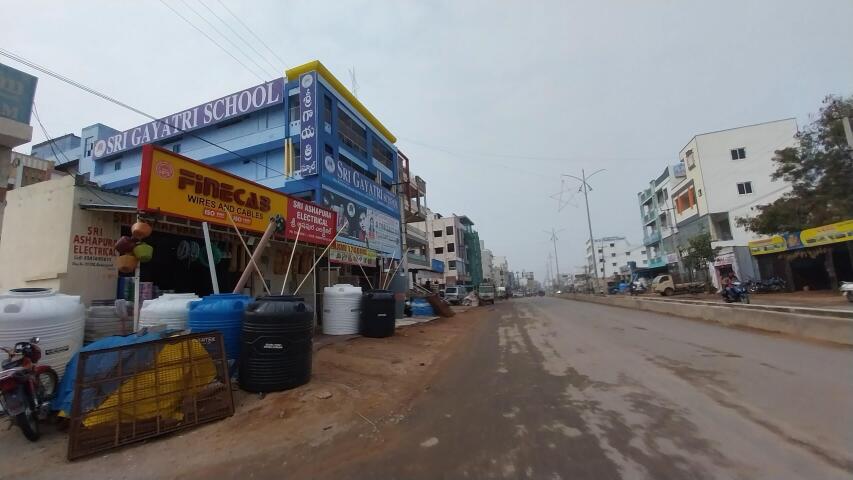
Badangpet, now among the largest areas added to GHMC by geographic size, has long operated under separate municipal rules that limited development intensity. Urban planners say the merger could streamline approvals, align building regulations with city-wide norms, and unlock investment in higher-density housing, particularly along emerging residential corridors in south Hyderabad. For many residents, this raises expectations of improved roads, drainage, water supply, and sewerage systems that have lagged behind population growth. A local planning official said uniform development control regulations under GHMC could allow taller residential and mixed-use projects, subject to safety and zoning norms. Until now, construction across much of Badangpet was restricted to low-rise formats, which developers argue constrained land efficiency and discouraged formal investment. The merger is expected to address these bottlenecks, making the area more attractive to organised real estate players. However, the scale of infrastructure deficits remains significant. Residents estimate that nearly 200 neighbourhoods across the merged civic zones lack properly laid roads, with many colonies relying on informal access paths. Water supply and underground drainage coverage is also uneven, placing pressure on households and raising public health concerns.
Urban infrastructure experts note that integrating such areas into GHMC will require sustained capital spending rather than regulatory changes alone. At the same time, apprehension is growing over potential increases in property tax assessments and water charges, which are typically higher under GHMC jurisdiction. “Better services are welcome, but affordability matters,” said a residents’ association representative, adding that transparent communication on revised tariffs would be critical to public acceptance of the merger. The integration also brings planning complexities in pockets such as Balapur, where development controls are influenced by proximity to defence establishments. Property owners in these areas hope that clearer guidelines under GHMC will reduce uncertainty, though officials caution that national security-related restrictions are unlikely to change.
Beyond infrastructure and regulation, the merger has stirred debate around local identity. The replacement of municipal signage following the GHMC takeover has raised concerns about the future visibility of historic landmarks that have defined Badangpet’s civic character for decades. Urban historians argue that large municipal expansions should balance administrative efficiency with cultural continuity. As Hyderabad continues to expand outward, the Badangpet merger highlights the challenges of governing fast-growing urban fringes. Experts say success will depend on whether the integration delivers tangible improvements in mobility, water resilience, and housing quality, while keeping services accessible and inclusive. If managed well, the transition could help align growth with sustainable, people-centric urban development rather than merely extending municipal boundaries.
Hyderabad Badangpet Merger Reshapes Local Development Outlook