


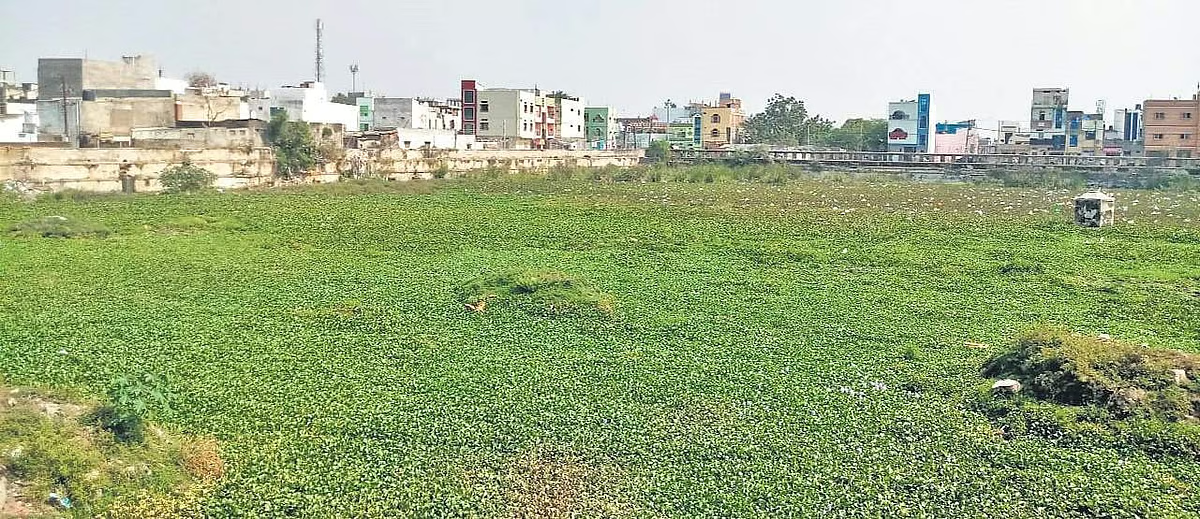
Hyderabad is set to witness a major heritage conservation initiative as authorities, in collaboration with HYDRAA, gear up to restore the 450-year-old Katora Houz within the historic Golconda Fort precinct. This project marks a convergence of urban heritage preservation and water resource management, reflecting growing recognition of the value of traditional water bodies in modern city planning.
The initiative follows a formal request from Nirmaan NGO, which has been advocating for the rejuvenation of Katora Houz, currently under the protection of the Archaeological Survey of India (ASI). During a recent field inspection, HYDRAA officials assessed the site, identifying critical challenges including encroachment risks, illegal dumping, and a sewage pipeline bisecting the water tank, which threatens both its structural integrity and ecological function. The restoration plan envisions protective fencing, the creation of a pedestrian pathway around the tank, and the rerouting of the sewage line to prevent contamination. HYDRAA’s experience in reviving urban lakes and heritage water bodies is expected to play a pivotal role in ensuring the project balances heritage preservation with ecological resilience. “Conserving historic water systems is not just about cultural heritage; it directly supports groundwater recharge, microclimate regulation, and urban biodiversity,” noted a senior urban water management expert. Katora Houz, built over four centuries ago, historically functioned as a key water reservoir for the Golconda Fort complex, supplying both drinking water and irrigation support for nearby settlements.
Over the years, neglect and urban pressures have degraded its condition, highlighting the need for targeted interventions that integrate conservation with community engagement. Local NGOs emphasised that prior restoration efforts were slowed by bureaucratic hurdles, underscoring the importance of coordinated planning between civic authorities, heritage bodies, and environmental stakeholders. The project aligns with broader urban sustainability objectives in Hyderabad, where historic water bodies are being recognised as critical assets for climate-resilient city design. Incorporating such sites into the urban ecosystem improves rainwater management, reduces urban heat stress, and provides public access to culturally significant spaces. Officials have requested detailed restoration plans from all stakeholders to ensure that the work proceeds with due adherence to heritage norms and environmental safeguards.
Urban planners suggest that successful rehabilitation of Katora Houz could serve as a model for similar heritage reservoirs across Indian cities, demonstrating how integrated approaches to heritage, ecology, and civic infrastructure can simultaneously preserve the past and enhance urban resilience.
Also Read: Hyderabad Residential Registrations Rise 14 Percent December
Hyderabad Authorities Back Restoration of Katora Houz
