


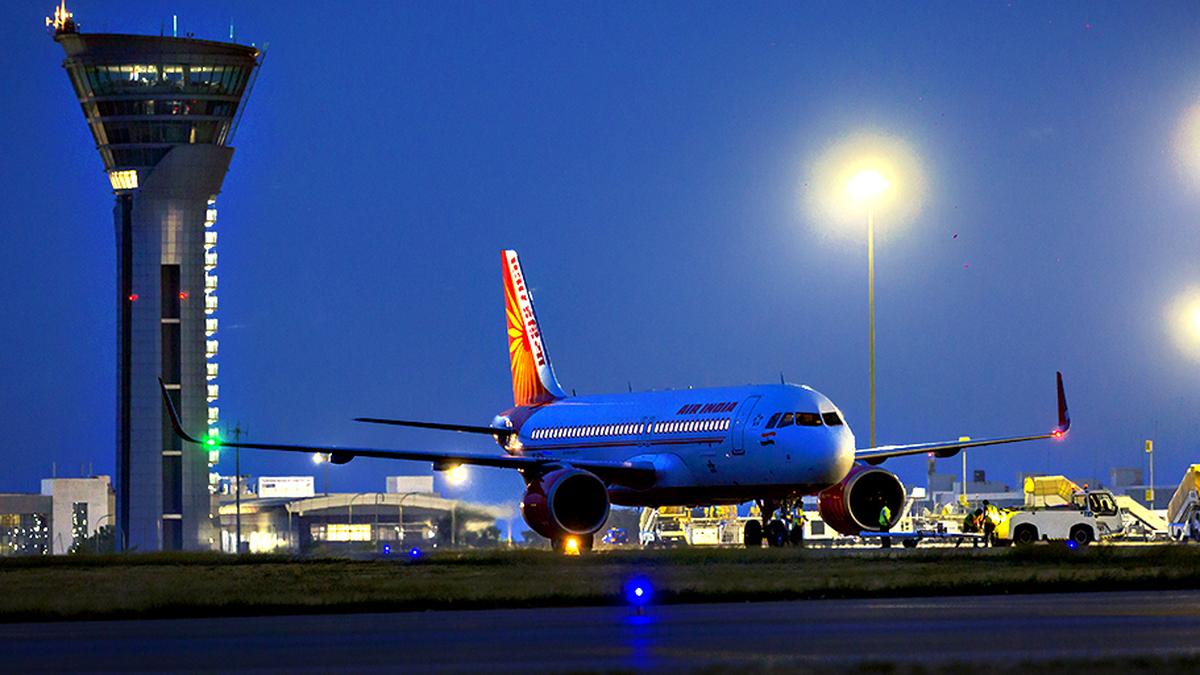
Flight schedules at Rajiv Gandhi International Airport were affected on Monday evening after intense rain and thunderstorms swept across Hyderabad, prompting airlines to alert passengers about possible delays. The Hyderabad airport weather disruption underscored the vulnerability of aviation operations to sudden climatic shifts during transition seasons.
Airport sources indicated that fluctuating wind patterns, reduced visibility and lightning activity required operational adjustments, including cautious aircraft sequencing and potential holding patterns. While no major cancellations were immediately confirmed, several departures and arrivals were reported to be running behind schedule as crews prioritised safety protocols.Low-cost carrier IndiGo issued a public advisory urging travellers to verify flight status before heading to the airport. The airline said support teams were on standby to assist passengers in case of schedule changes. Aviation experts note that even brief convective storms can disrupt runway movements, particularly when wind shear and heavy downpours coincide.
The Hyderabad airport weather disruption comes amid unseasonal rainfall activity across parts of Telangana. Meteorologists attribute such episodes to localised thunderstorm systems that intensify rapidly due to heat differentials and moisture build-up. Though typically short-lived, these events can create ripple effects across tightly timed aviation networks.For Hyderabad, which has positioned itself as a key domestic and international aviation hub, resilience planning has become central to infrastructure strategy. The airport handles significant passenger and cargo volumes, serving the city’s information technology, pharmaceutical and manufacturing sectors. Delays can affect business travel, time-sensitive shipments and broader supply chain flows.
Urban infrastructure analysts argue that climate variability is reshaping airport design and management practices worldwide. Drainage systems, runway materials and digital weather monitoring tools are being upgraded to withstand higher rainfall intensities and unpredictable wind patterns. Hyderabad’s expanding metropolitan footprint further amplifies the need for coordinated disaster response between airport authorities, traffic police and municipal agencies.From a passenger perspective, improved real-time communication systems have reduced uncertainty during disruptions. However, as traffic volumes increase year-on-year, even minor weather disturbances can strain terminal capacity and ground handling operations.
The latest Hyderabad airport weather disruption serves as a reminder that climate adaptation is not limited to coastal flooding or heatwaves. Aviation infrastructure, often seen as insulated from localised weather shifts, is increasingly exposed to rapid atmospheric changes.As urban centres expand and air connectivity deepens economic integration, ensuring operational continuity during extreme weather will remain critical. Investment in predictive forecasting tools, resilient runway systems and integrated mobility planning will determine how effectively Hyderabad navigates similar episodes in the future.
Also Read:Ahmedabad Premium Housing Sales Accelerate
Hyderabad Airport Faces Weather Flight Disruptions
