


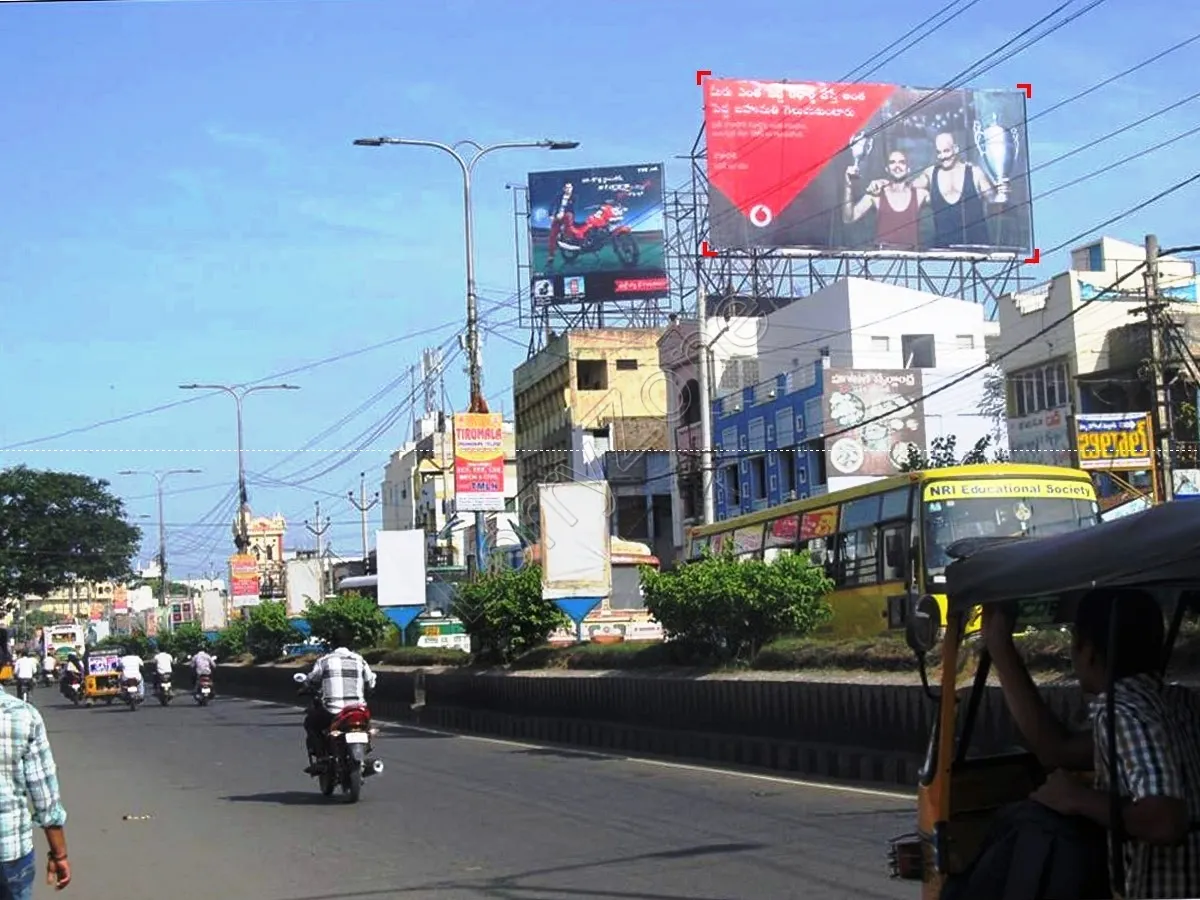
Hyderabad Advertising Scam Unipoles, Hoardings Costing Govt Crores
A deep-rooted advertising scam has emerged in Hyderabad, with illegal hoardings and unipoles draining the exchequer of nearly ₹100 crore. Investigations conducted by the Hyderabad Agency for Advertising Regulation and Accountability (HYDRAA) have revealed that approximately 70-80% of potential revenue from outdoor advertisements remains untapped due to rampant illegal activities. Major advertising agencies, including Prakash Ads, Lead Space, and UNI Ads, have come under scrutiny for setting up unauthorised unipoles, some of which were allegedly used without permission or paid fees. While companies continue to rake in substantial profits from these unauthorised structures, the government is left struggling with mounting losses. Officials have confirmed that complaints have been lodged at Shamshabad and Narsingi police stations, and demolition efforts are already underway.
Civic negligence and lack of regulatory oversight
The role of the Greater Hyderabad Municipal Corporation (GHMC) in this revenue leakage cannot be overlooked. Reports indicate that GHMC failed to regulate ad structures, allowing companies to bypass necessary approvals. Investigators discovered that many advertisers paid for one space but illegally occupied multiple locations, evading their financial dues to the government. HYDRAA has now directed GHMC to furnish a list of authorised structures, warning that any missing from the records will be deemed illegal. Over 57 unipoles and hoardings have already been dismantled across the city, with enforcement efforts intensifying. The government, acknowledging the severity of the issue, is now moving towards tightening advertising regulations to curb future revenue leaks and streamline tax collection from outdoor media.
A sustainability crisis: Impact on urban aesthetics
Beyond financial losses, the unchecked proliferation of unregulated hoardings has taken a toll on Hyderabad’s urban landscape. The clutter of unapproved advertising structures disrupts city planning efforts and creates an eyesore, diminishing Hyderabad’s aesthetic appeal. Many unipoles are set up in hazardous locations, obstructing public spaces and even posing safety risks in congested areas. Additionally, ad boards attached to unauthorised poles increase visual pollution, interfering with public signage, pedestrian pathways, and green spaces. As Hyderabad aspires to become a world-class city, tackling this issue is crucial for sustainable urban planning. The removal of these illegal structures will not only reclaim public space but also improve the city’s overall visual and environmental integrity.
HYDRAA’s action plan: Towards stronger enforcement
To combat this systemic issue, HYDRAA is ramping up enforcement through the establishment of a dedicated police station, set to become operational by March. This new agency will oversee outdoor advertising compliance, protecting public assets such as lakes, parks, and government lands. Additionally, authorities are considering a specialised court to expedite legal action against violators. The crackdown is also expanding beyond advertisements—HYDRAA has set its sights on the sand mafia, which is allegedly involved in illegal sand transportation across Telangana. As Hyderabad undergoes rapid urban transformation, regulatory bodies must ensure that corporate profiteering does not come at the cost of civic welfare.
