


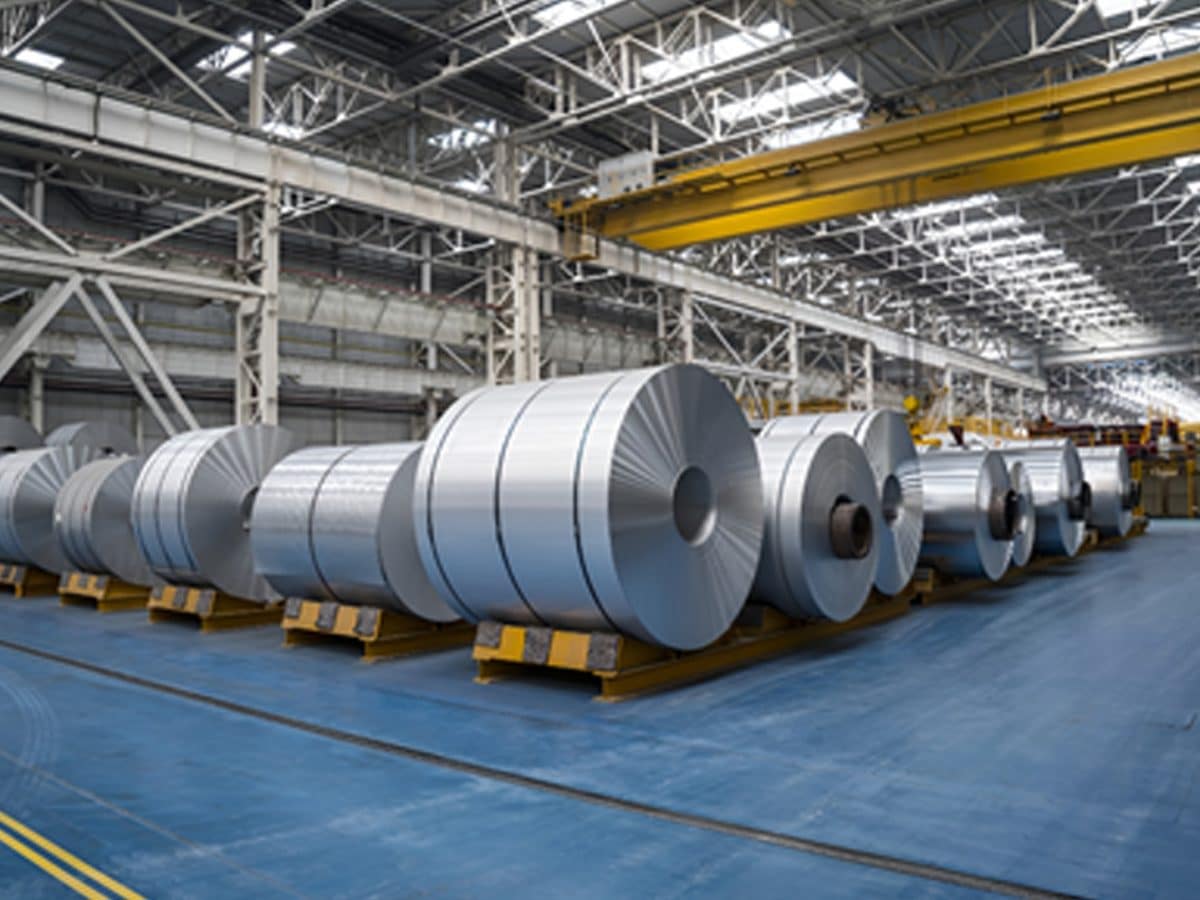
A major downstream steel manufacturing facility in Howrah, West Bengal, has commissioned a substantial new metal coating line following an ₹1,100 crore investment, a development that could reshape local industrial dynamics and support infrastructure growth across eastern India. This expansion underscores the region’s role in national manufacturing while raising questions about sustainable urban impact and skilled job creation in industrial corridors.
The advanced coating line, now operational at the Ranihati plant, installs modern automated technology to enhance the processing of coated steel products — materials essential for sectors ranging from construction and infrastructure to appliance fabrication and renewable energy structures. Industry sources estimate production of value-added coated steel could rise by up to 60 per cent once the full line reaches capacity, signalling stronger regional supply chains and increased competitiveness for local manufacturers. For the broader Kolkata metropolitan region, infrastructure-linked manufacturing expansions such as this carry multiple implications. Steel products emanating from Howrah feed directly into urban development projects, including housing, transit hubs and commercial real estate. Urban planners note that improvements in downstream industrial capacity can reduce supply bottlenecks and moderate material cost inflation, which in turn affects construction timelines and affordability in adjacent cities and towns.
Economic development analysts point out that bolstering domestic production of coated flat steel sheets and related products may also support ‘Make in India’ aspirations by lessening reliance on imports and enhancing export potential. A jump in revenue is forecast for the fiscal year as higher volumes and a diversified product mix strengthen financial performance. While specific projections vary, a mid-teens percentage uplift in revenue is widely anticipated as output scales up. Workforce implications are equally significant. The commissioning of a technologically advanced line demands a blend of skilled technicians, machine operators and quality control professionals — roles that could create local employment if linked with targeted training programmes. A senior industry expert suggested that public-private initiatives to upskill workers in digital and automated manufacturing would underpin equitable growth, especially in districts transitioning from traditional industries to advanced production models. Environmental and urban resilience considerations are also front of mind. Manufacturing expansions in peri-urban districts like Howrah intersect with water, air and infrastructure planning. Urban planners emphasise that integrating industrial growth with climate-resilient policies — such as energy efficiency standards for new facilities, water recycling systems and reduced emissions protocols — is essential to prevent negative knock-on effects on city air quality and local ecosystems.
In the context of West Bengal’s wider industrial strategy, the new coating line forms part of a broader capital expenditure plan to enhance downstream steel capacity. Long-term, this could help balance regional development while addressing materials demand from infrastructure projects across the eastern and southern parts of the country. Looking ahead, how effectively this investment translates into inclusive jobs, sustainable production practices and urban-industrial synergy will influence both regional competitiveness and lived urban quality as the Kolkata metropolitan economy evolves.
Also Read: Kolkata Region Tender Aims To boost New Town Economy
Howrah Steel Plant Boosts Capacity With New Coating Line
